Peru Part III: Wherein we Got Really High (Plus Bolivia where we Also Didn't Sleep)
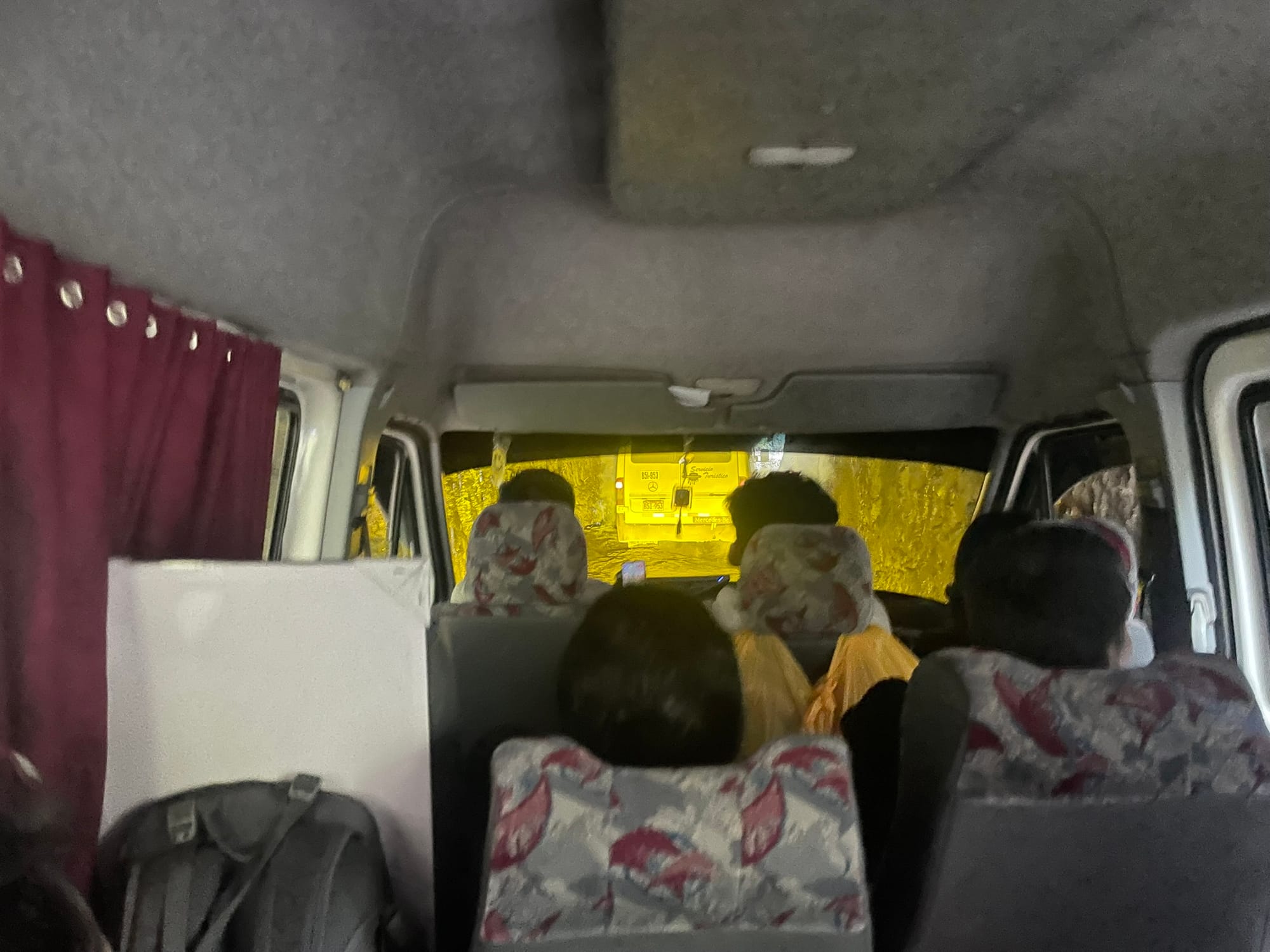
The road from Manu Biostation snaked up and over the Andes, our minibus driver taking the corners at full speed. Luckily, Johann keeps a stash of Gravol in his hat. We hoped the tarp covering our rooftop luggage would hold fast while we drove under a waterfall, and that we wouldn’t be swept away as the van crossed stream after mountain stream. By the time we reached the first flooded cave tunnel, we just wanted our driver to stop watching TikTok on the dash.
Late in the afternoon we passed through one village where Carnaval celebrations were in full swing, the van inching along behind a parade of people in vibrant local costume. Kids with spray foam attacked anyone in sight, and we slammed the van window shut as a water balloon came hurtling towards it.
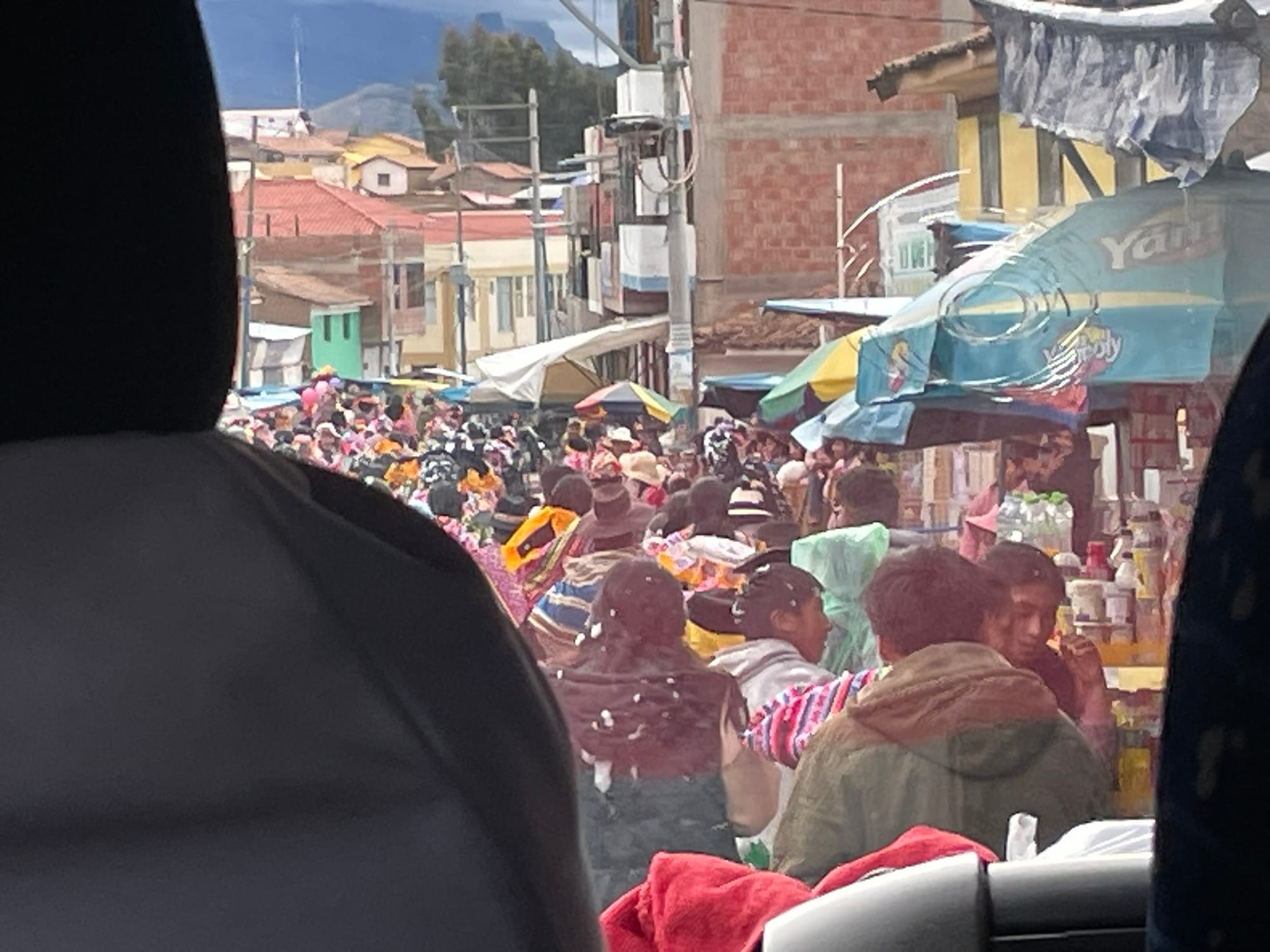
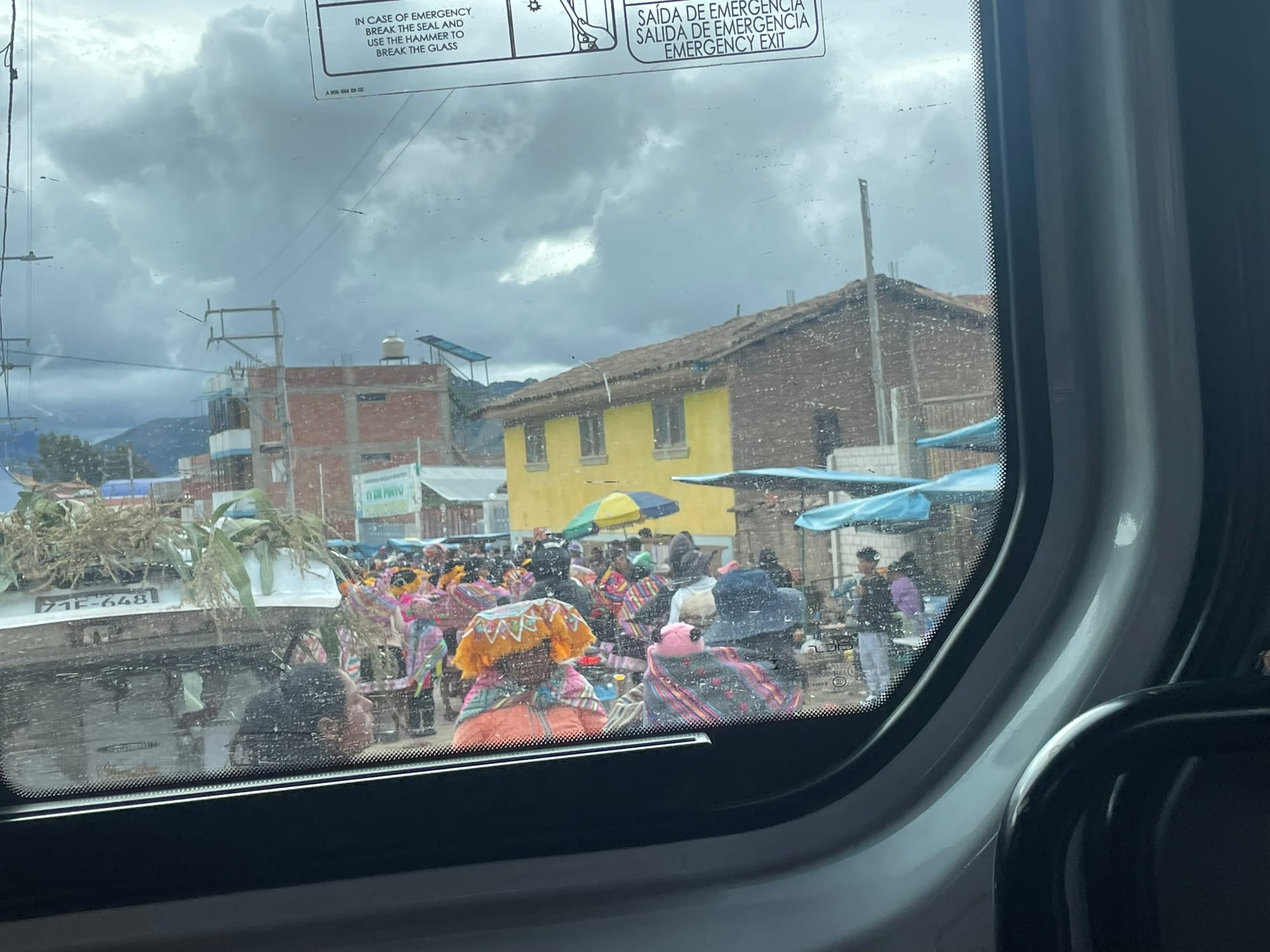
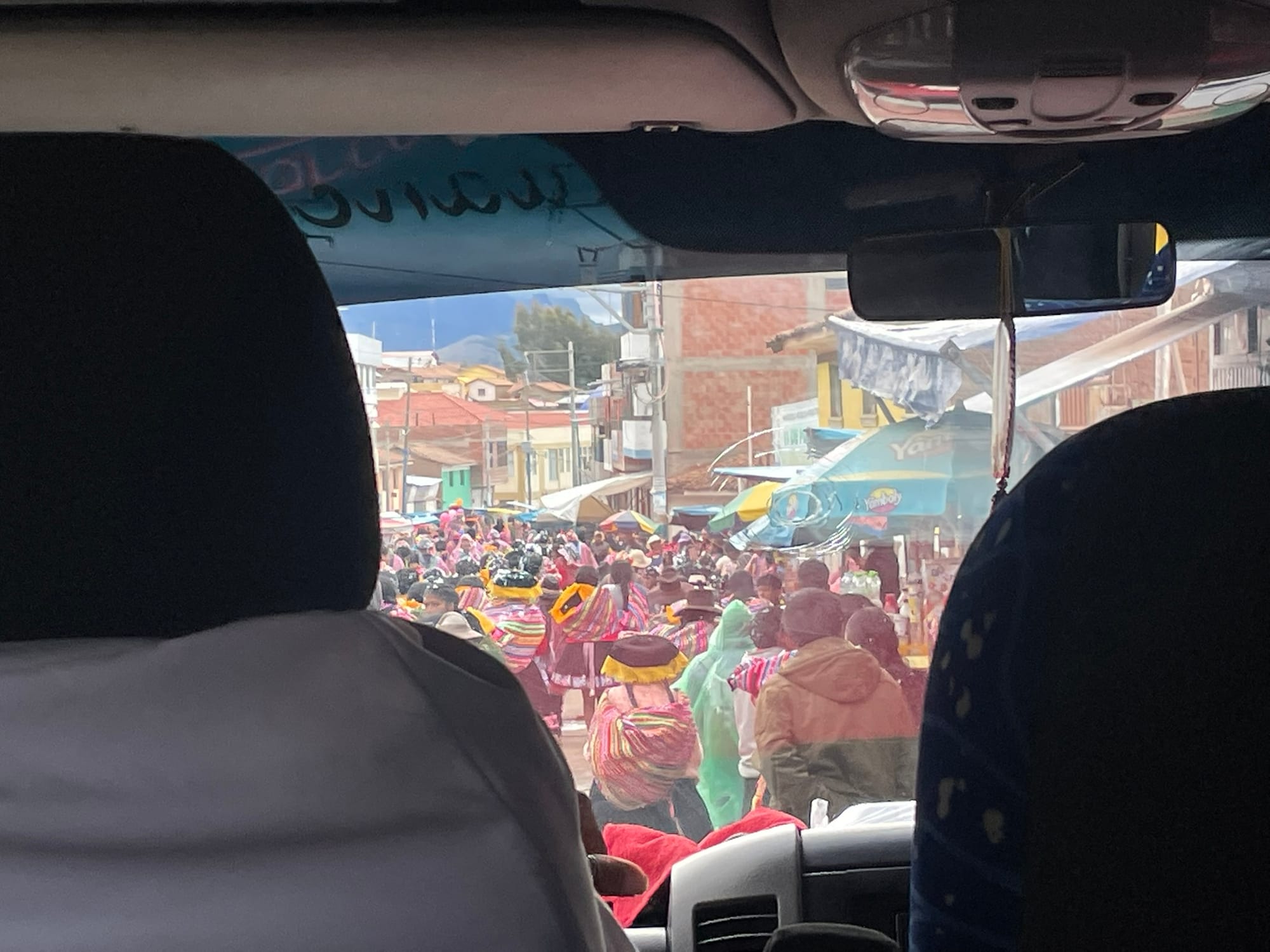
Carnaval was happening in nearly every town we passed through in Peru and Bolivia, no matter how small. [📸 Rachel]
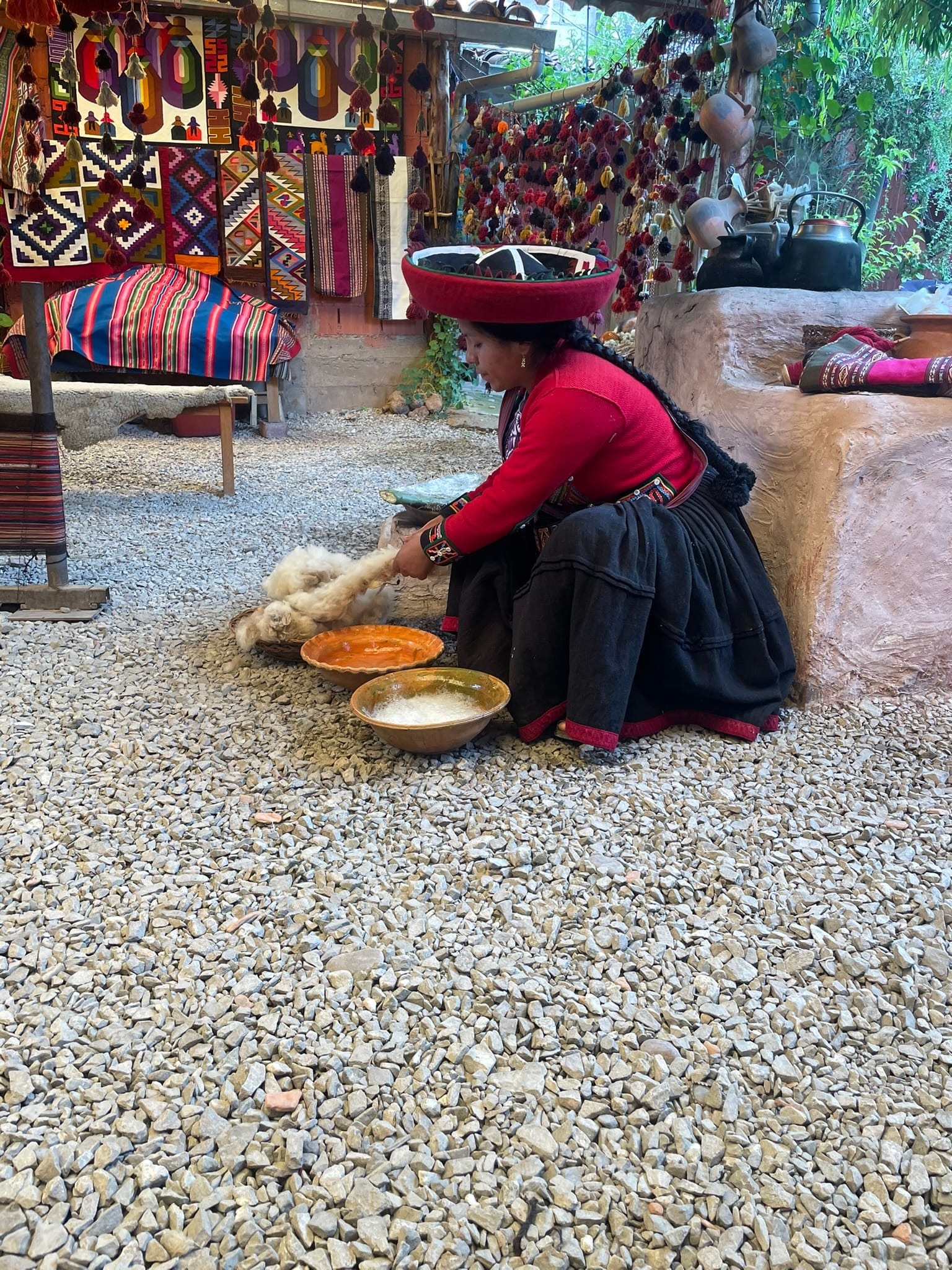
Our time in Cusco was spent sipping locally grown and roasted coffees, perusing museums, and breathlessly walking to Sacsaywoman and the giant white Christ statue above town. We were fascinated by beautiful handwoven textiles, all rooted in ancient weaving techniques. And Johann ate a hamburger where the bun was replaced with an entire avocado.
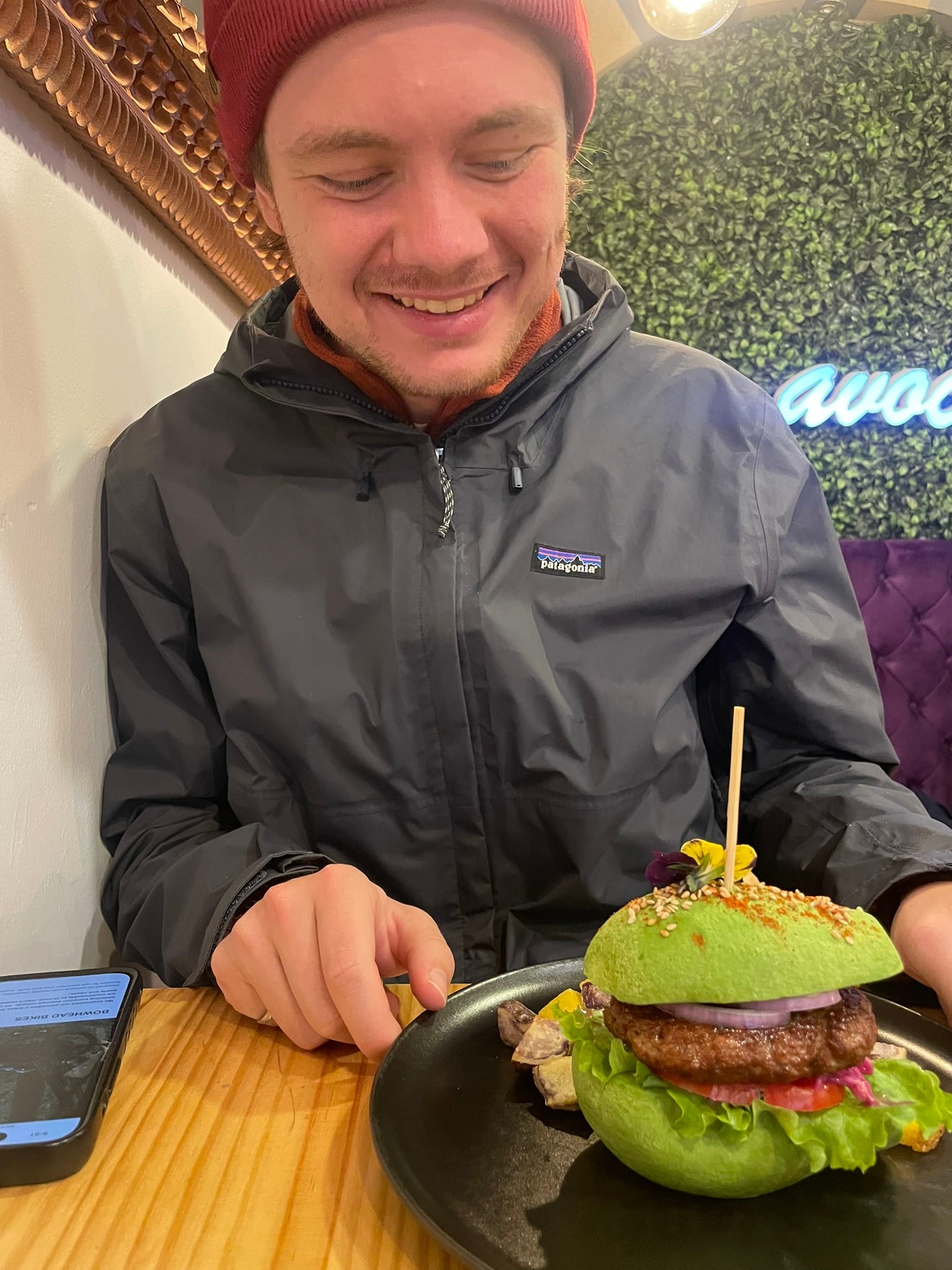
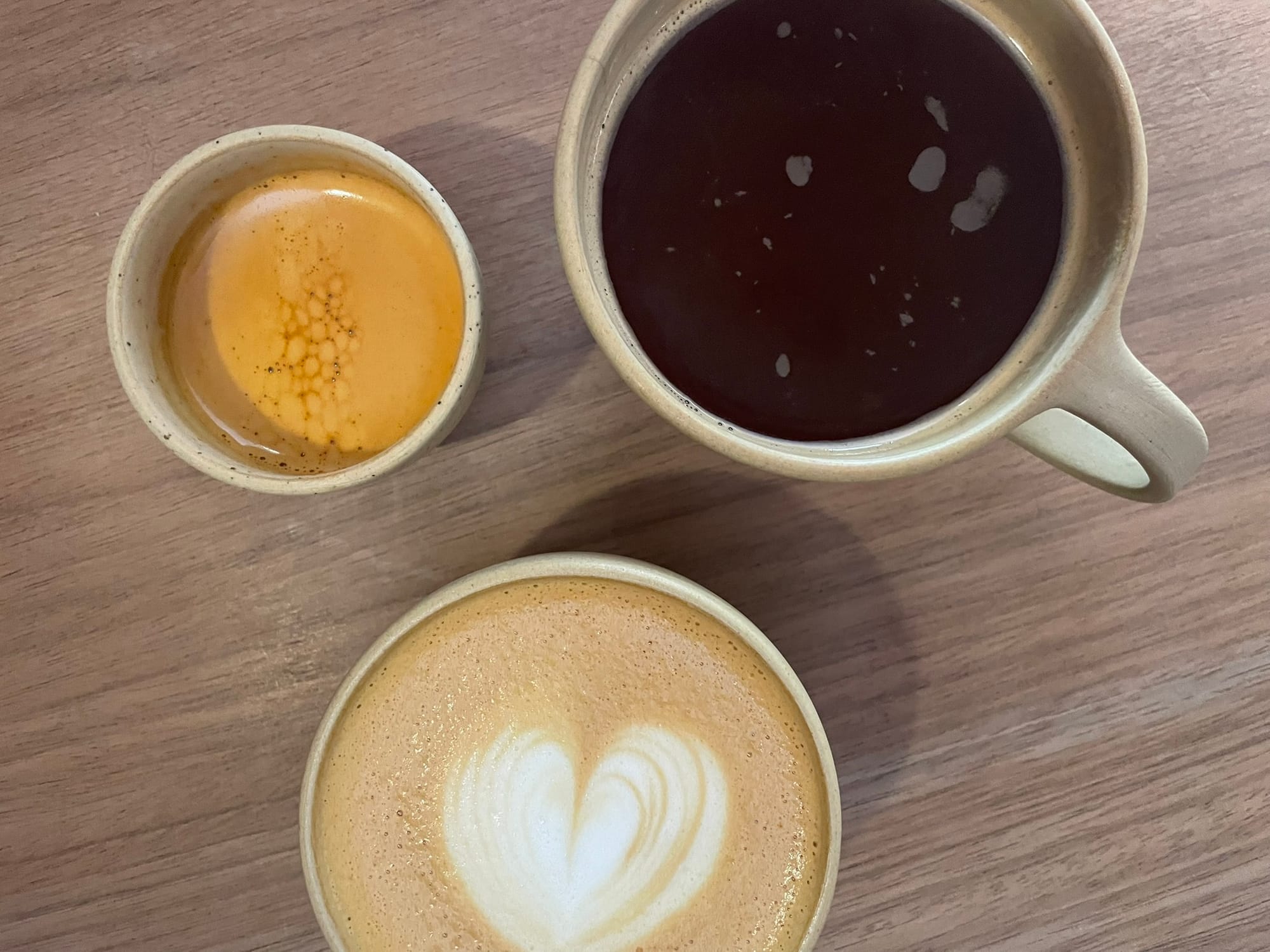
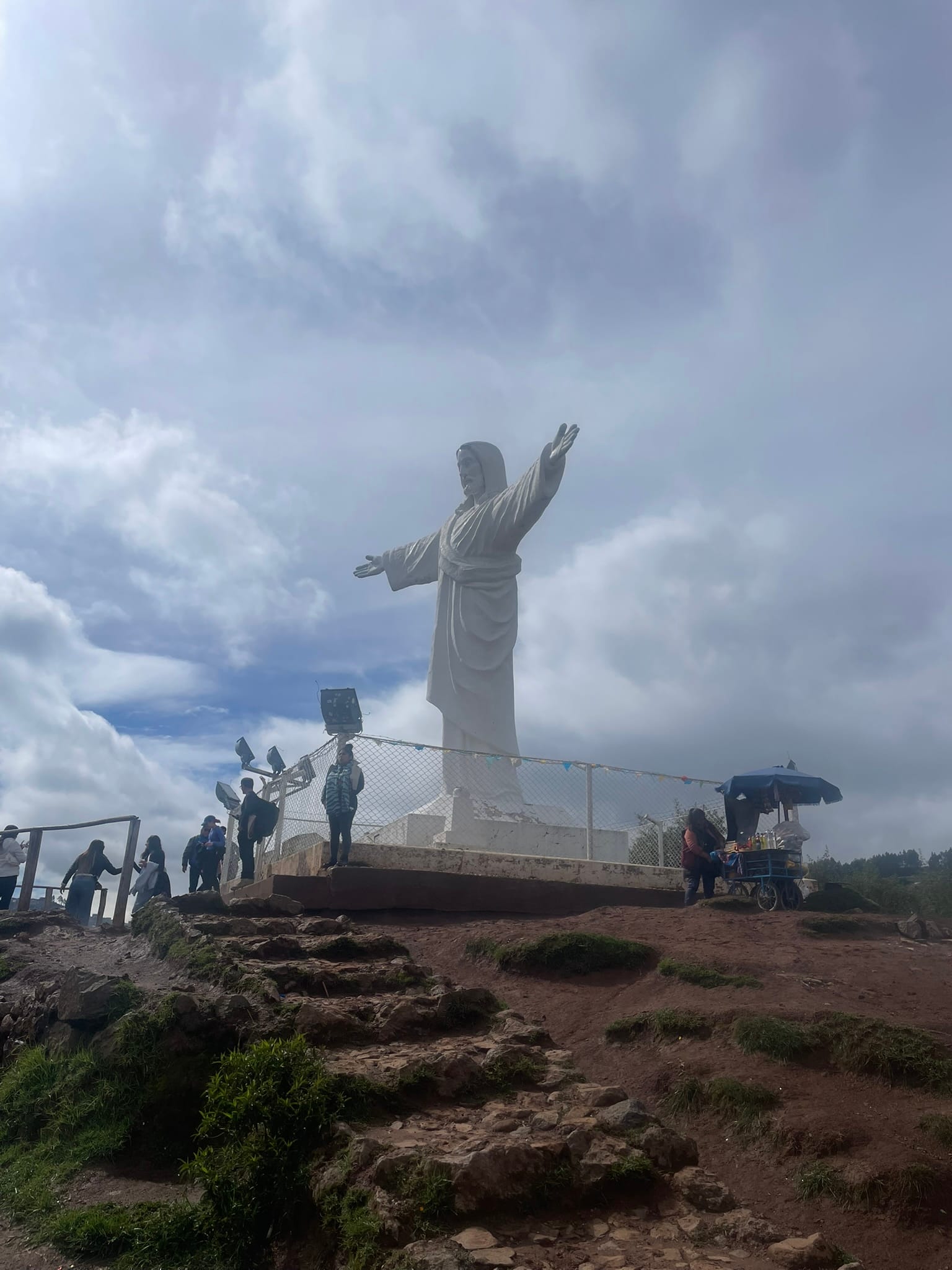
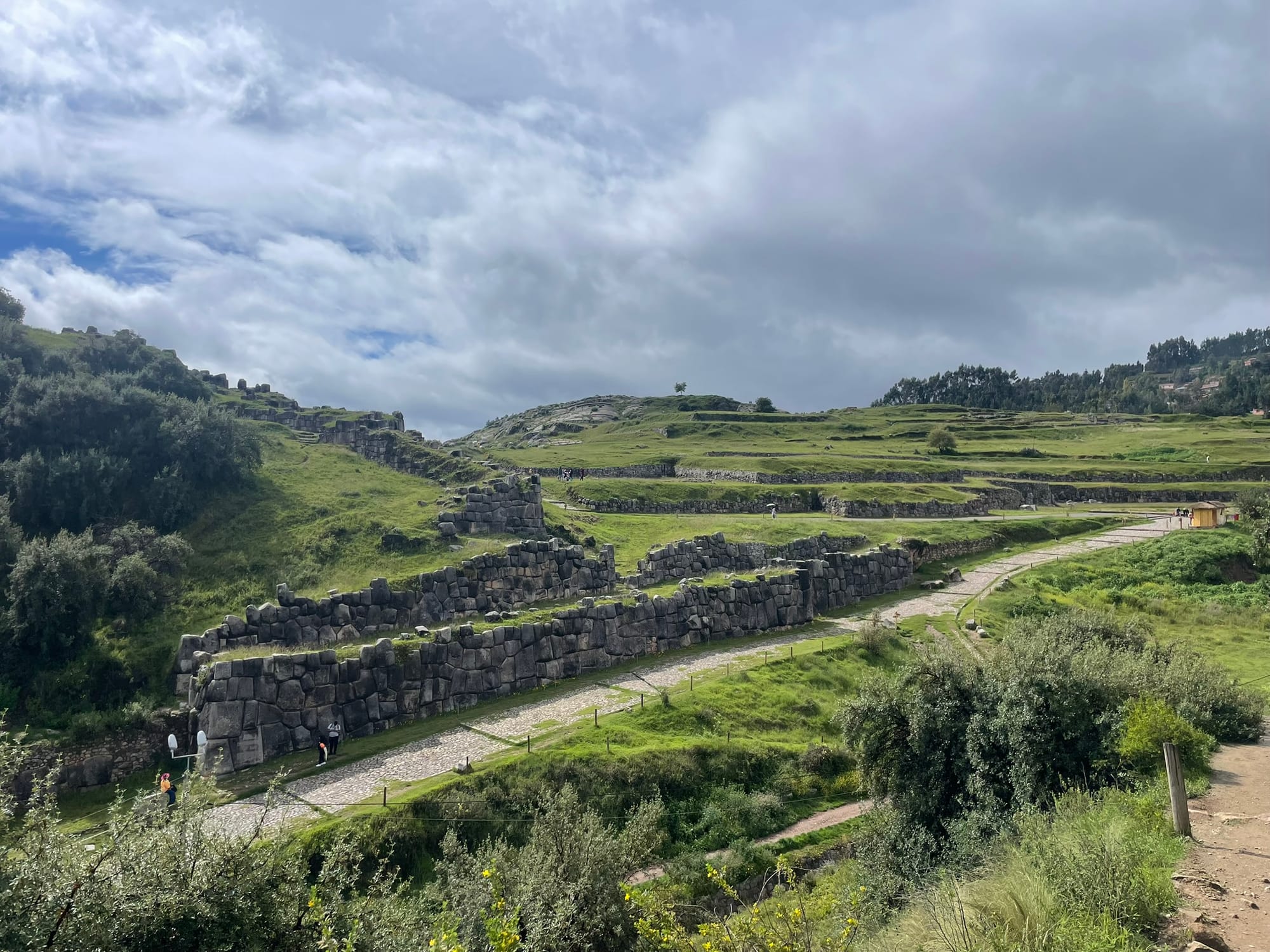
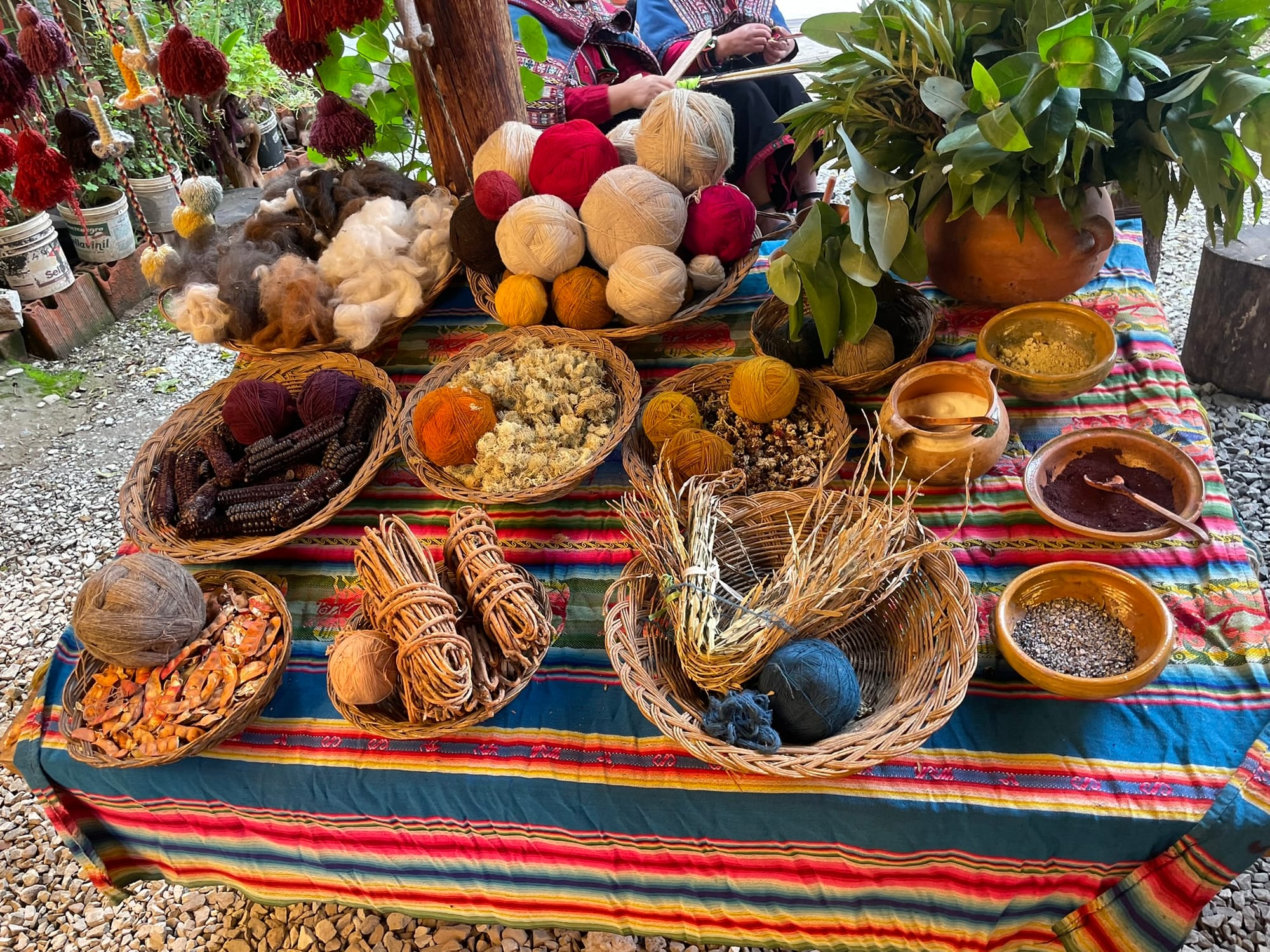
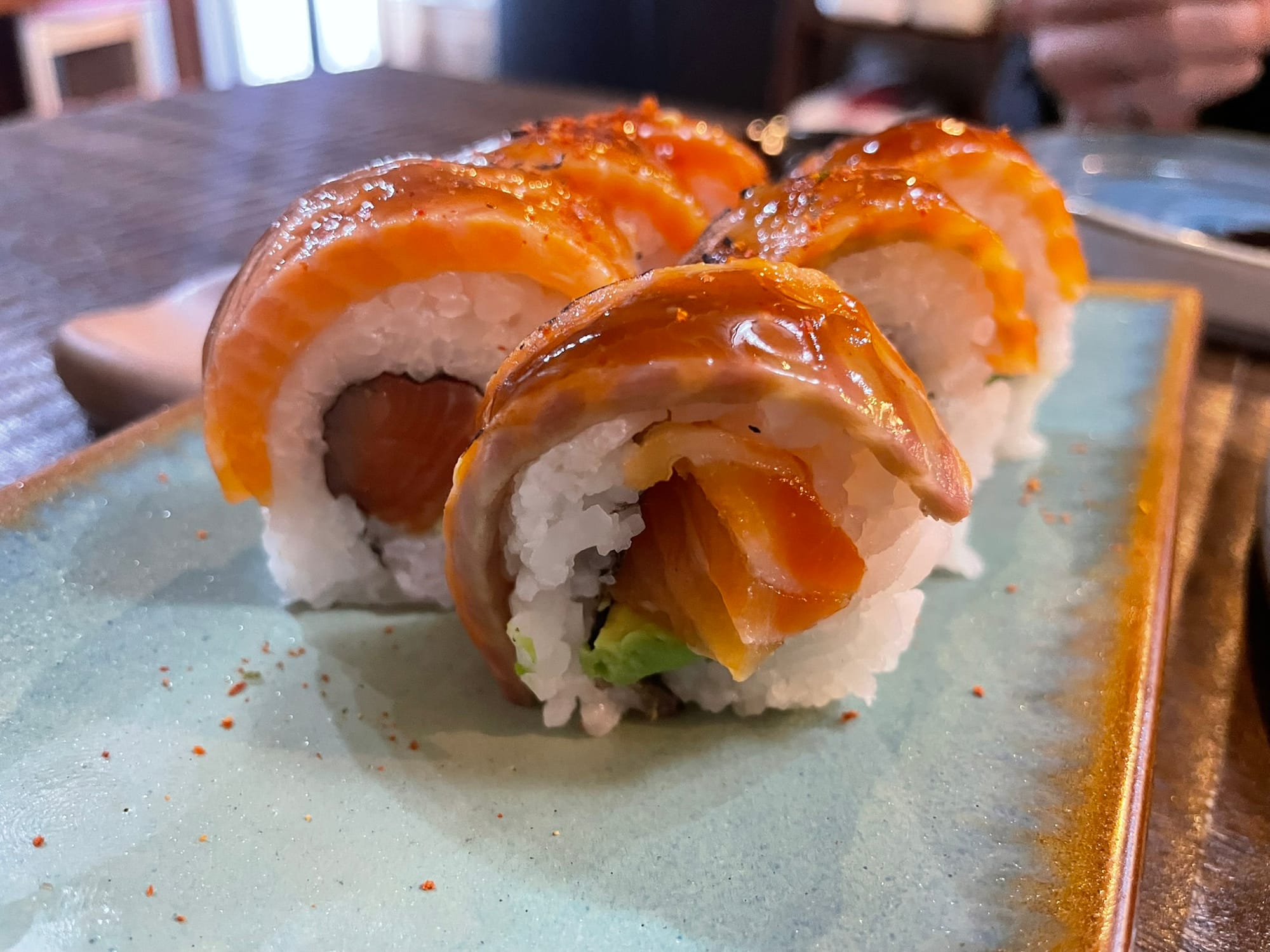
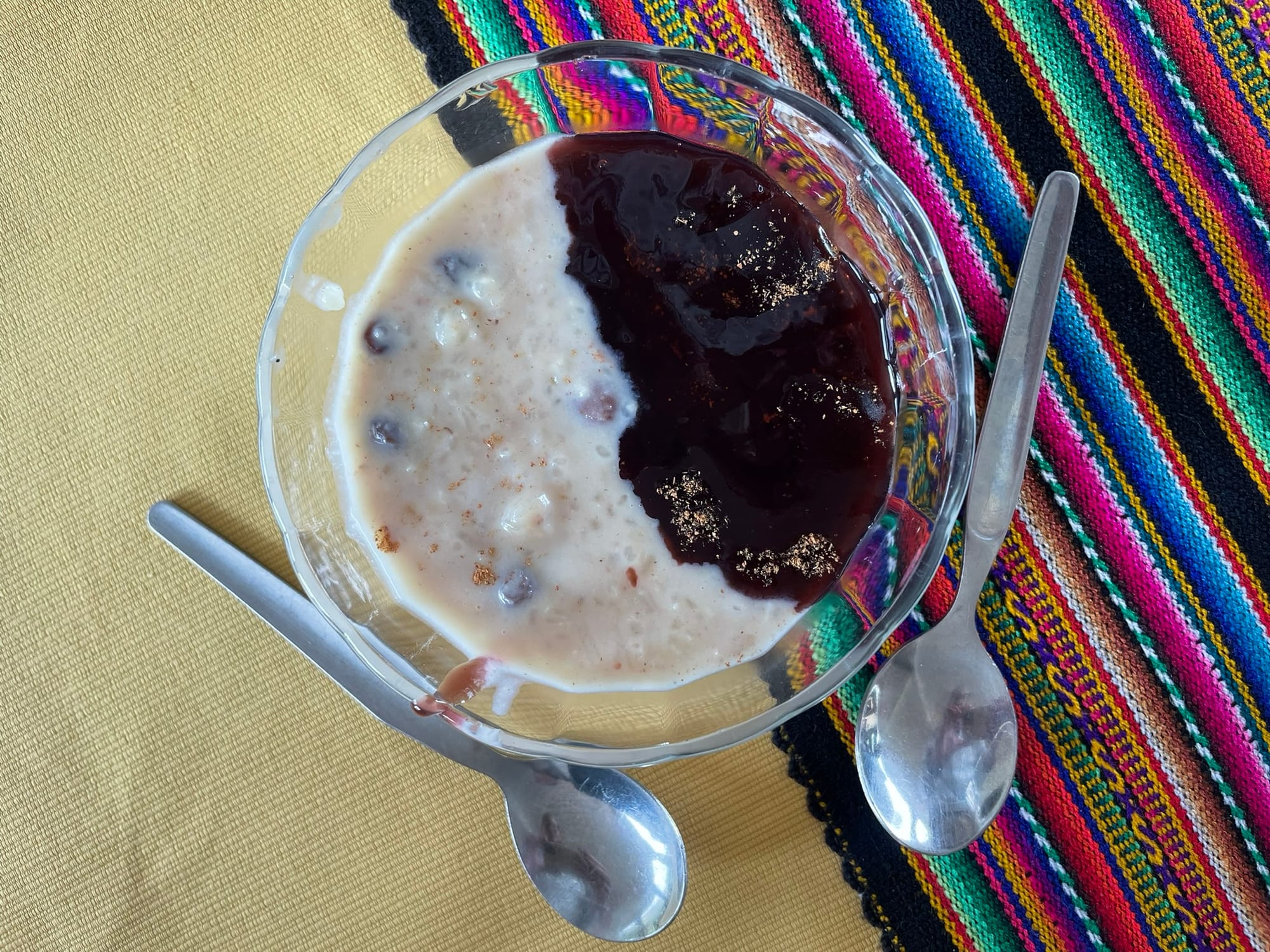
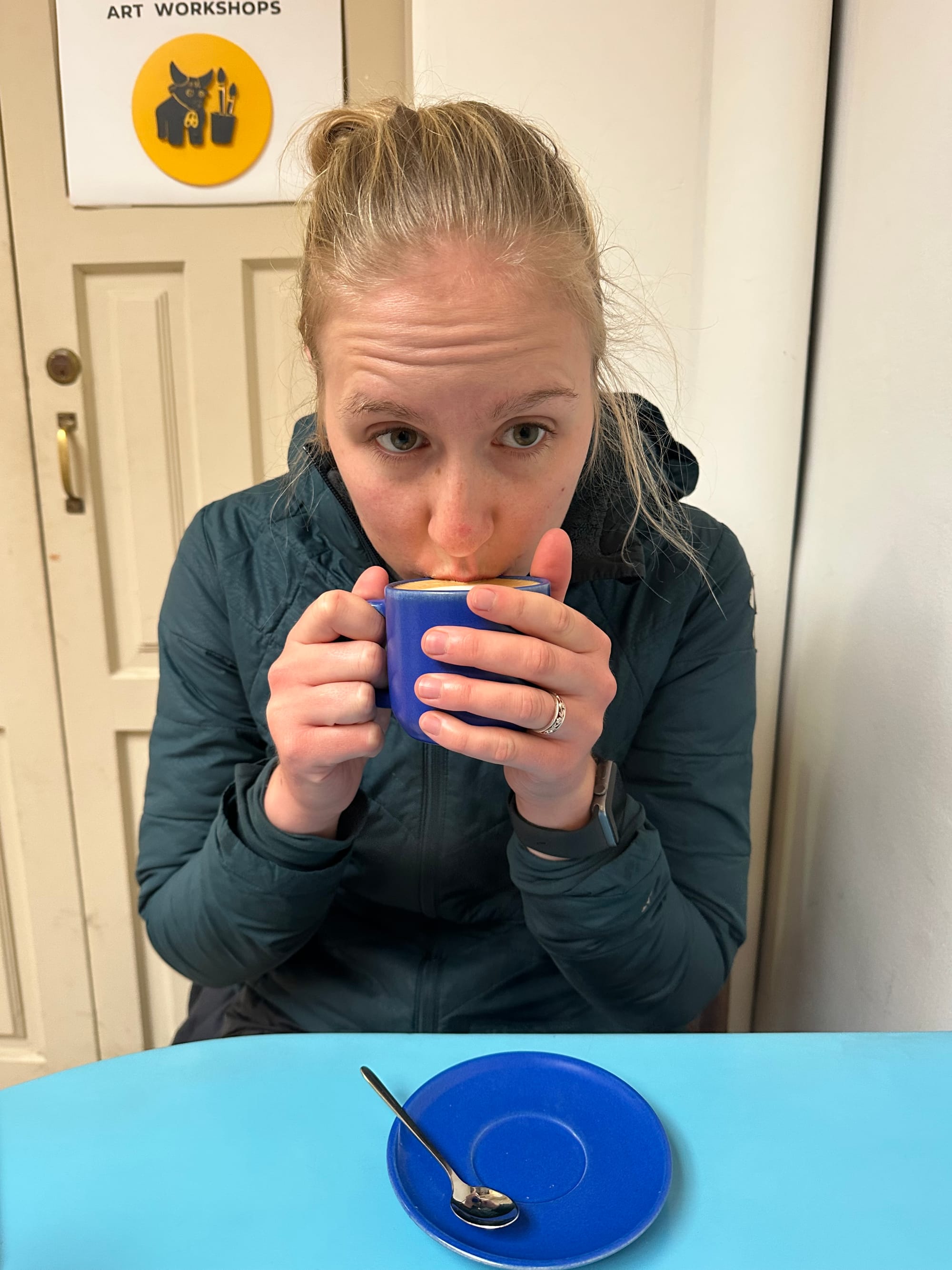
Does eating that burger make Johann an abogado? (bad Spanish joke please laugh). Also smoked Andean trout sushi. [📸 Rachel & Johann]
Speaking of restaurants, we will forever sing the praise of Atón, an affordable nook with incredible gluten free empanadas and arepas, decorated with carved wooden tables and golden stars dangling from the ceiling. There was also an oven sitting on a raised platform up near the ceiling in one corner which we thought was decoration, until the owner pulled out a step ladder and removed a tray of fresh buns from right above a tableful of people!
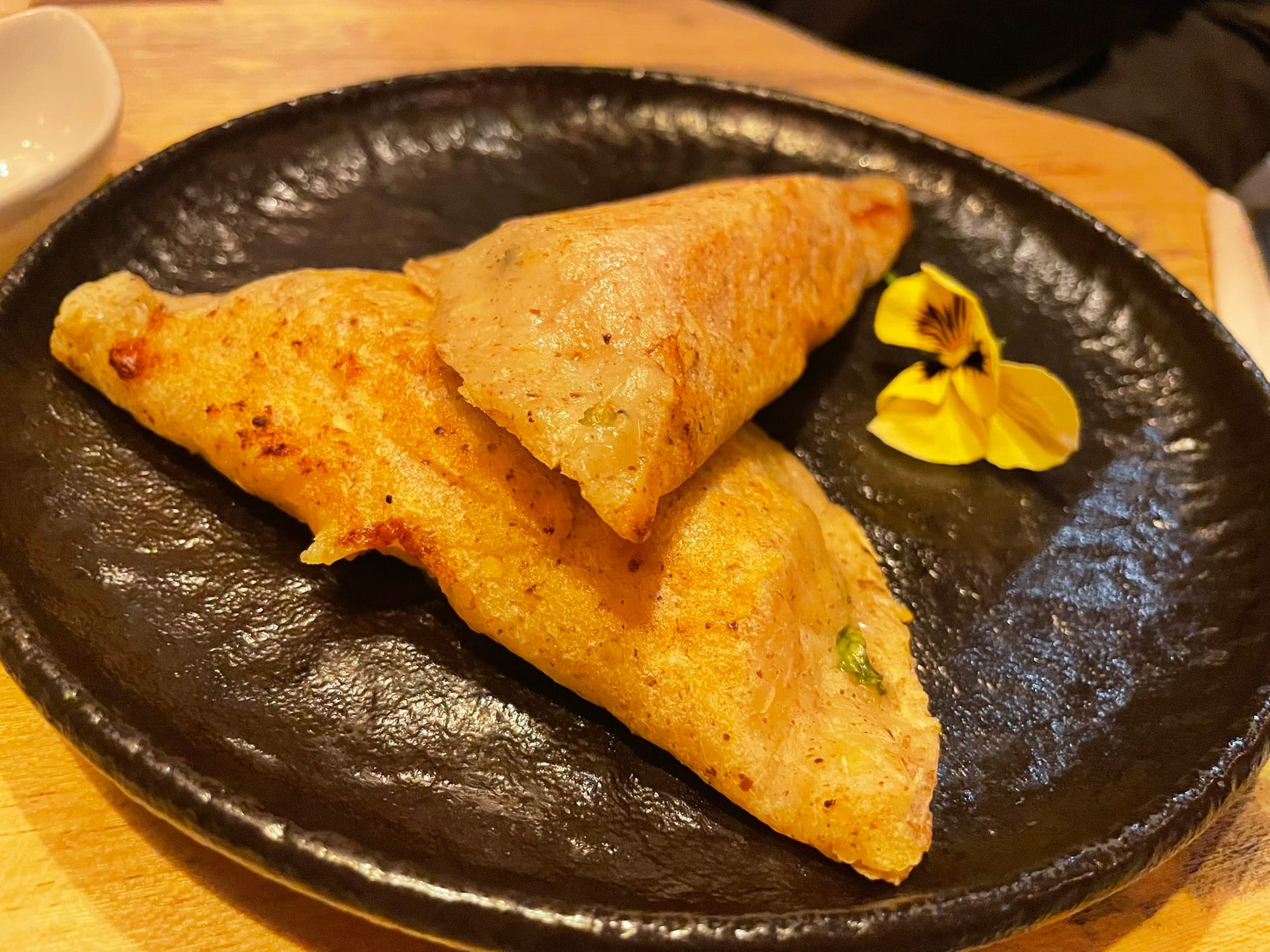
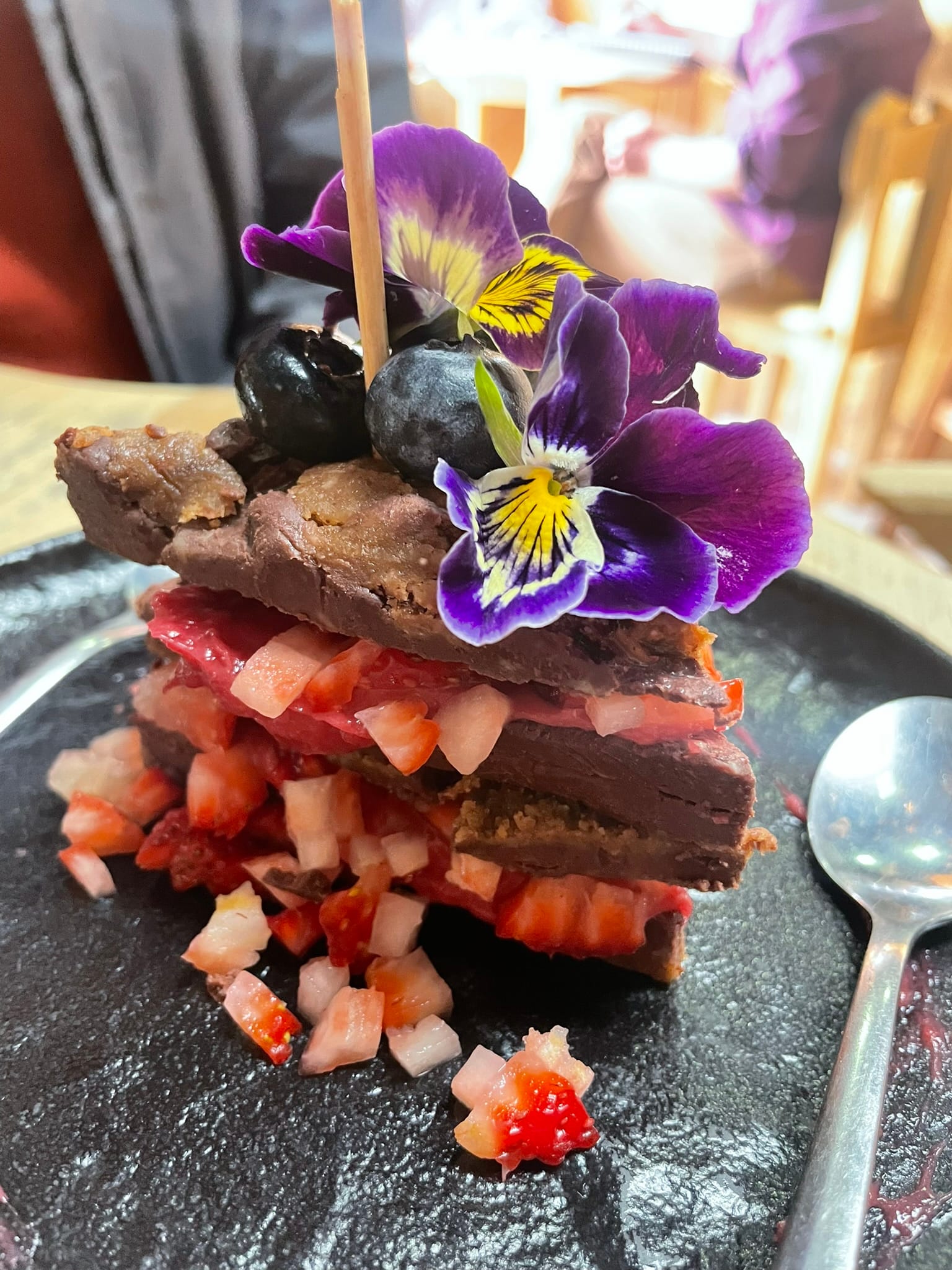
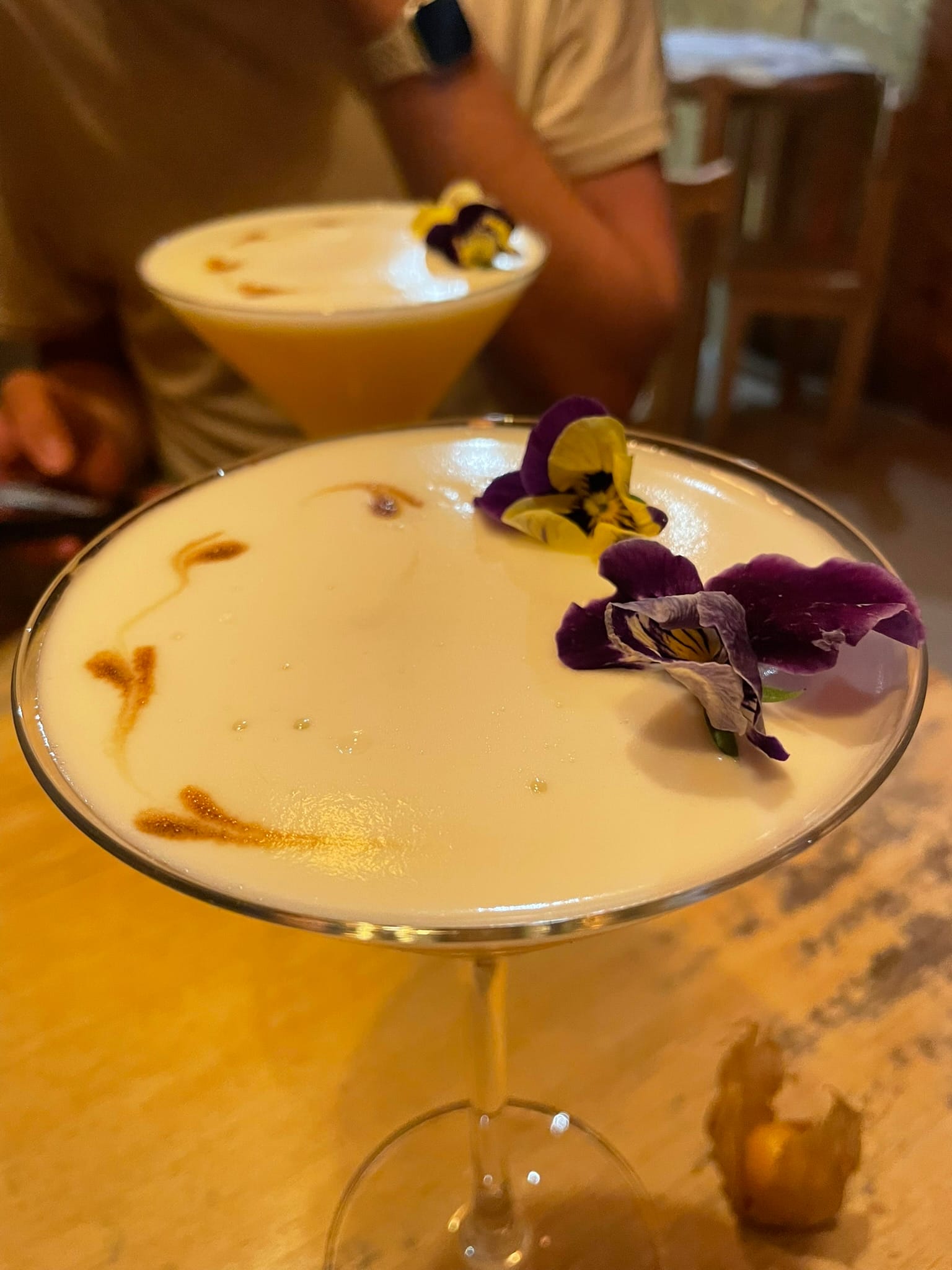
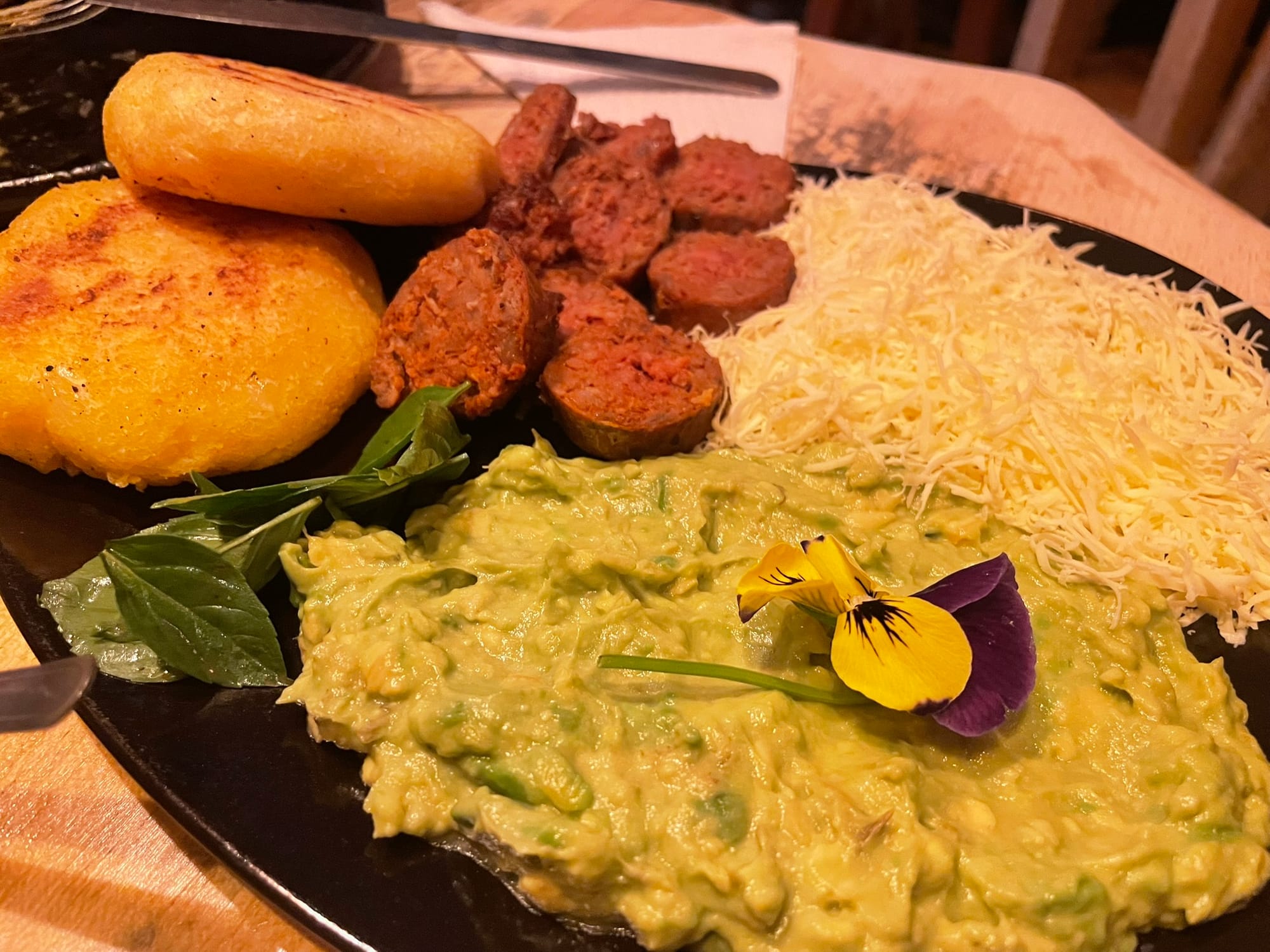
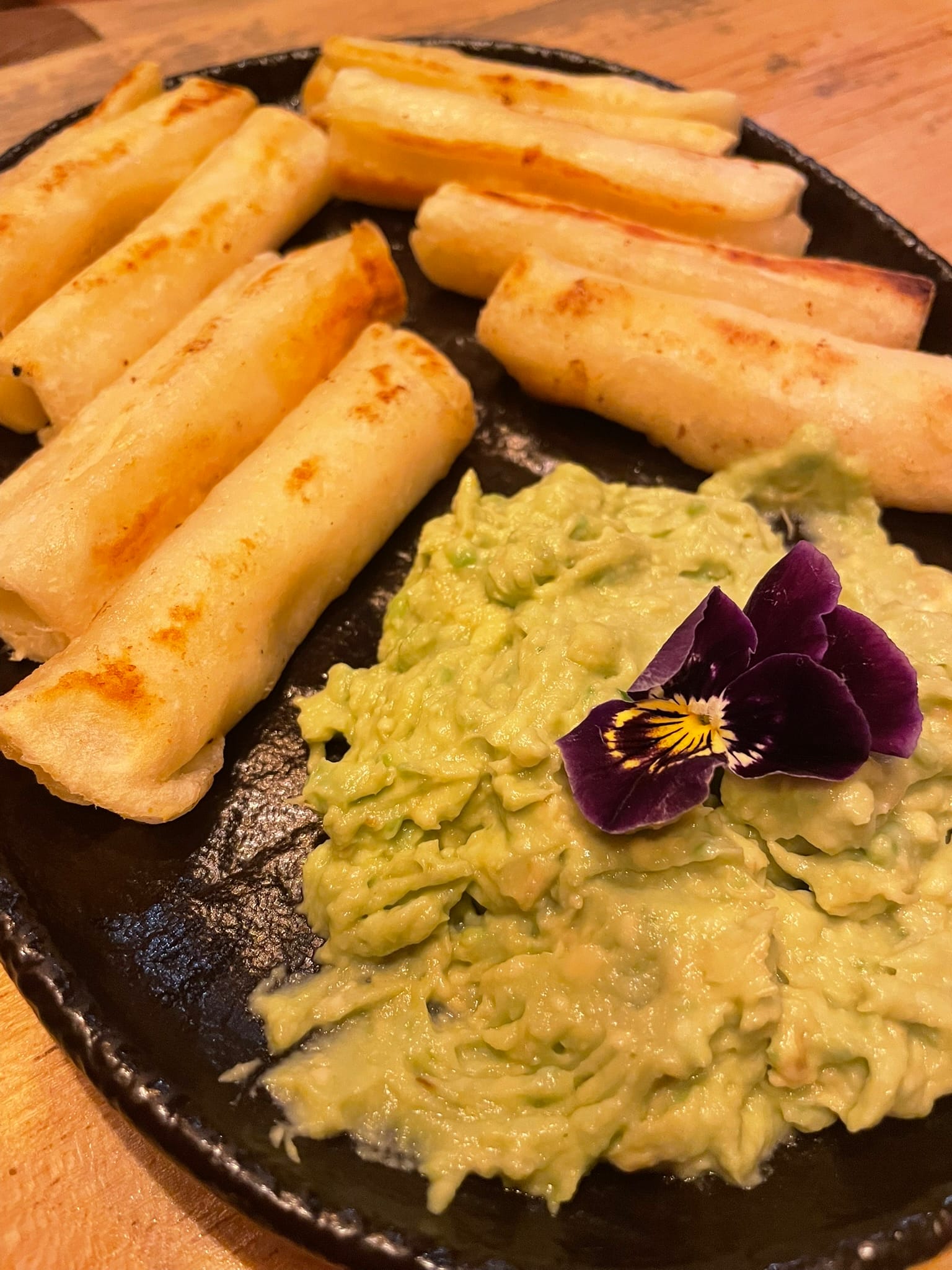
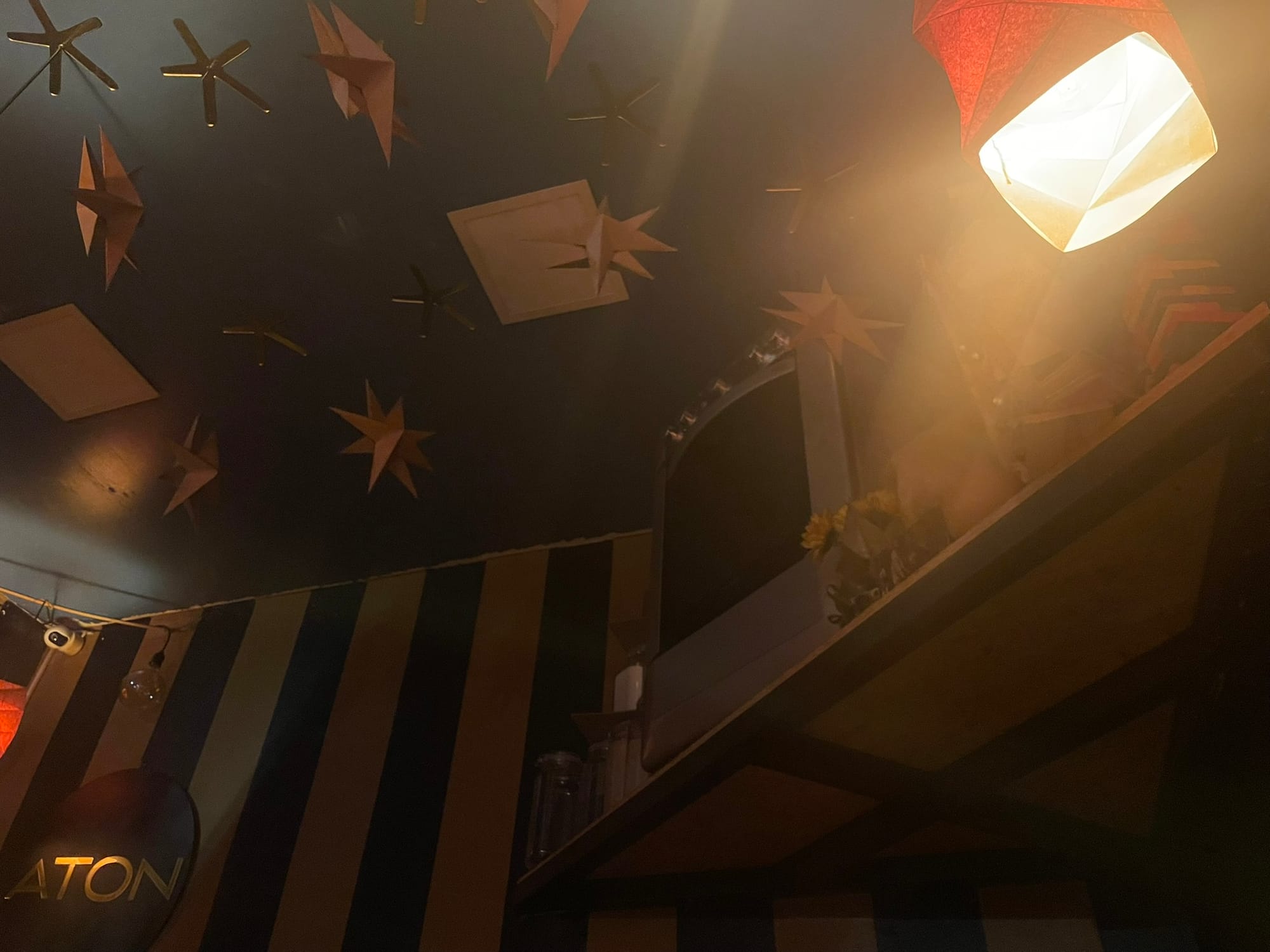
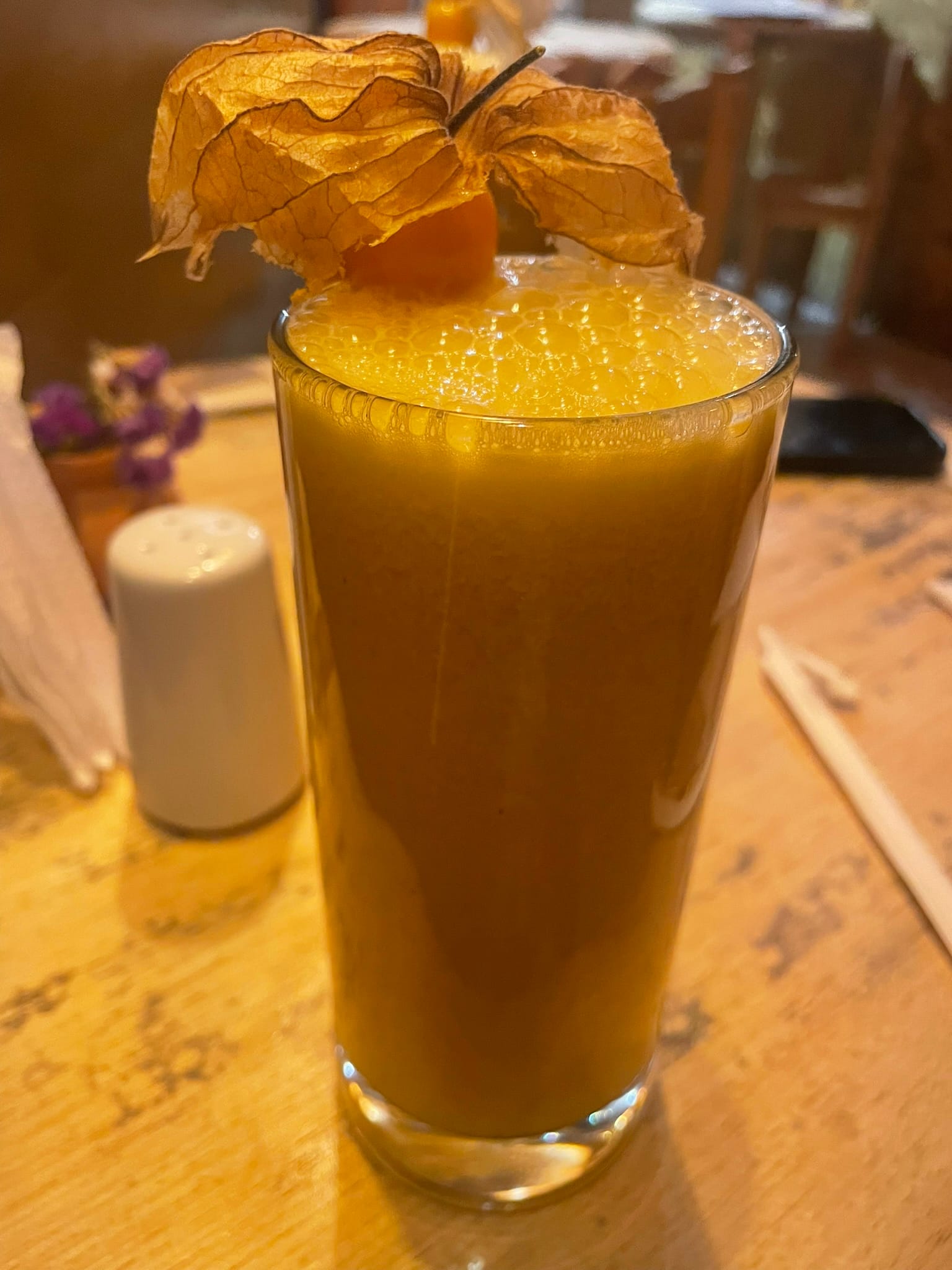
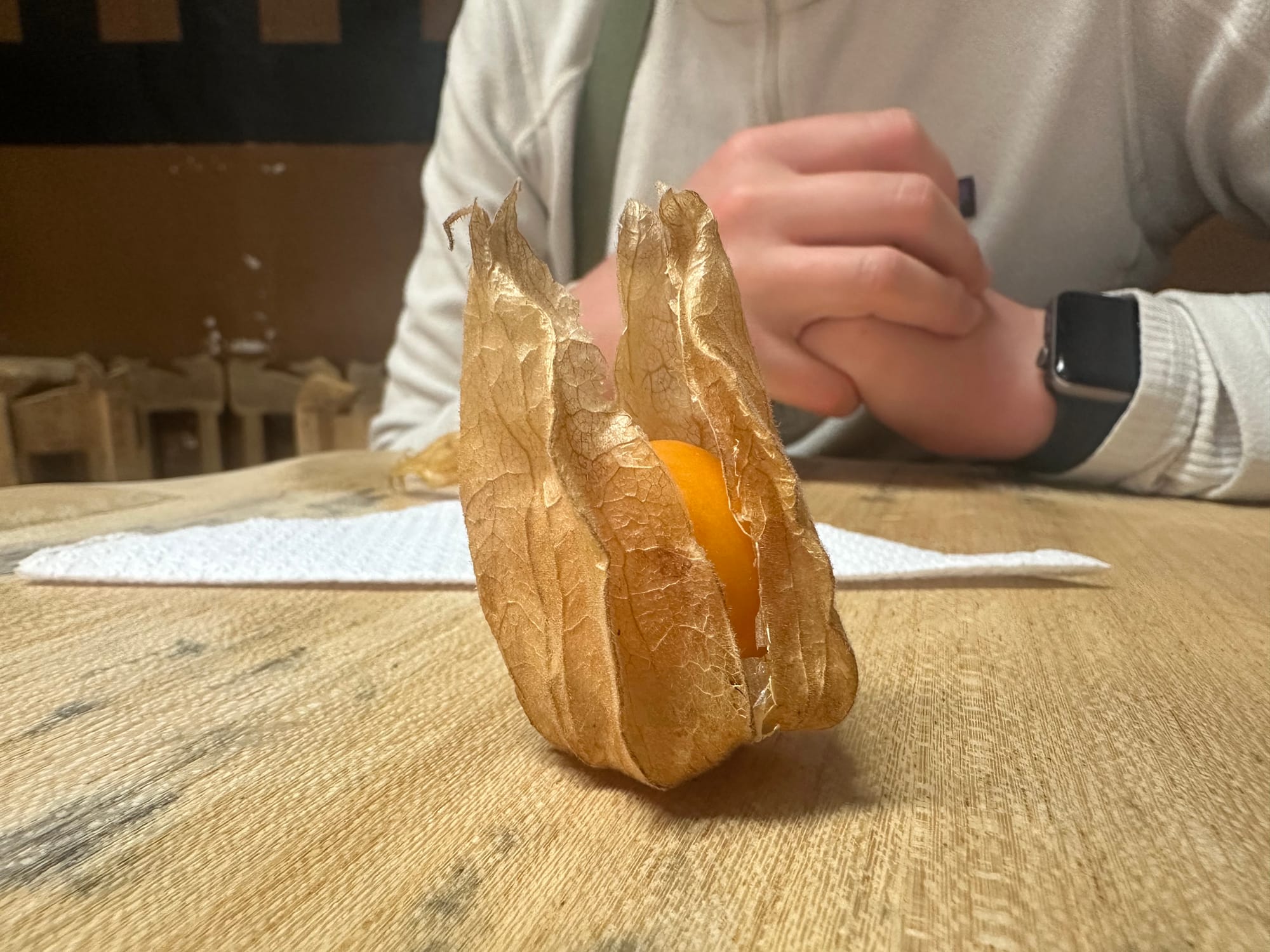
We knew we'd fall in love with Atón when the first thing the owner asked us, before we had sat down, was if we had any allergies or dietary sensitivities! [📸 Rachel & Johann]


Cusco was also our home base for exploring Machu Picchu and the Sacred Valley. We putted around via train, bus, and collectivos (shared taxis). Collectivos were a little haphazard, as we squeezed four in the back seat of a CRV, or next to a dapper woman in traditional Andean clothes with two more people in the rear cargo space of a sedan. We also decided on an impromptu hike between a couple sites, and fulfilled Johann’s wedding vow of “getting lost in Peru together.”
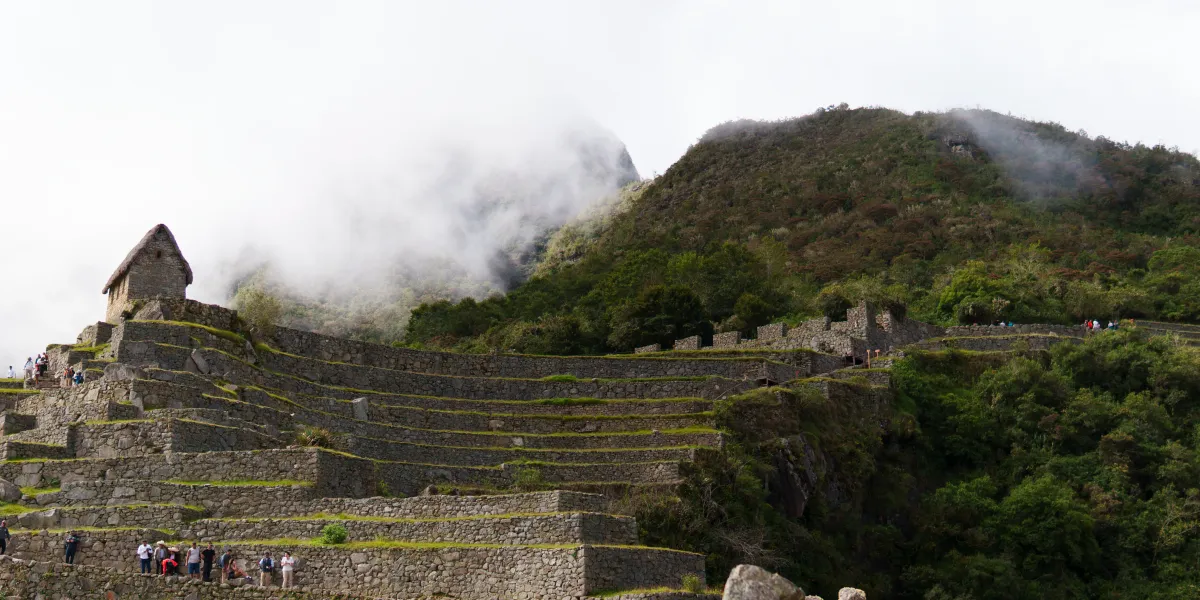
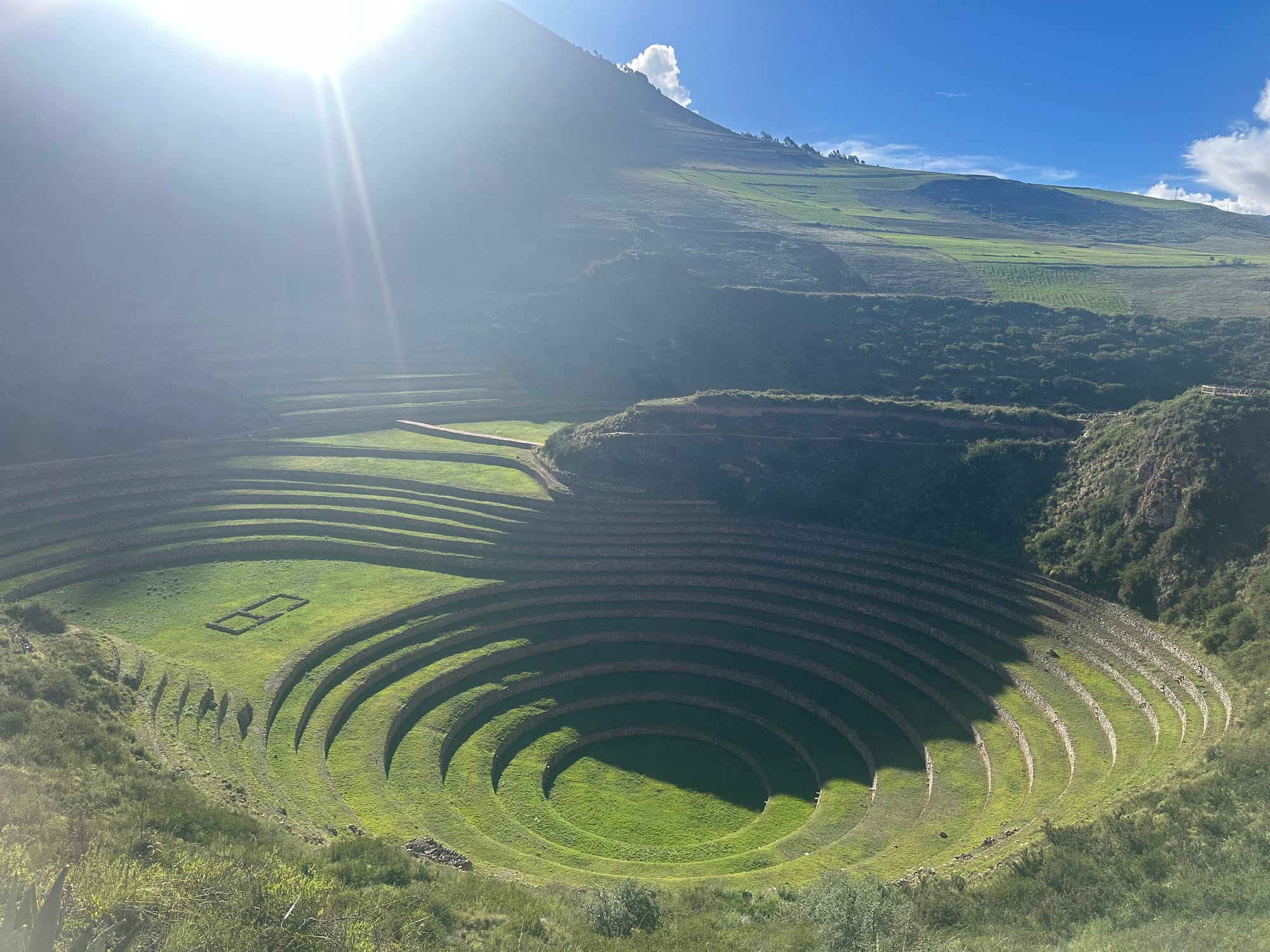
It somehow all worked out though! We saw the salt mines of Maras, with their hundreds of water pond cells lining the valley in order to evaporate salty mountain spring water. Equally fantastic were the Moray circular terraces: huge basins in the ground lined with round platforms. And of course Machu Picchu, in all its cloud forest splendour and mysticism.
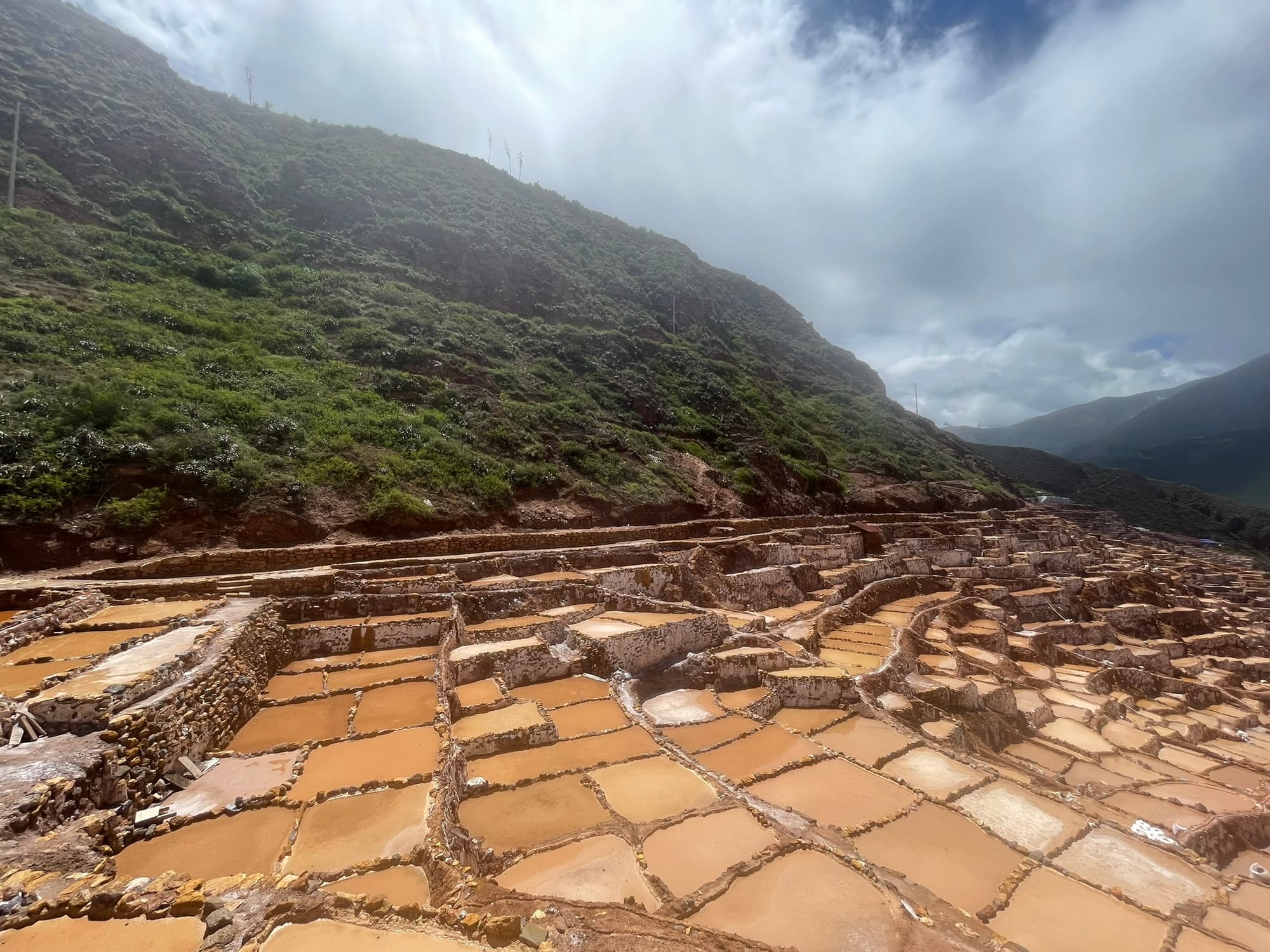
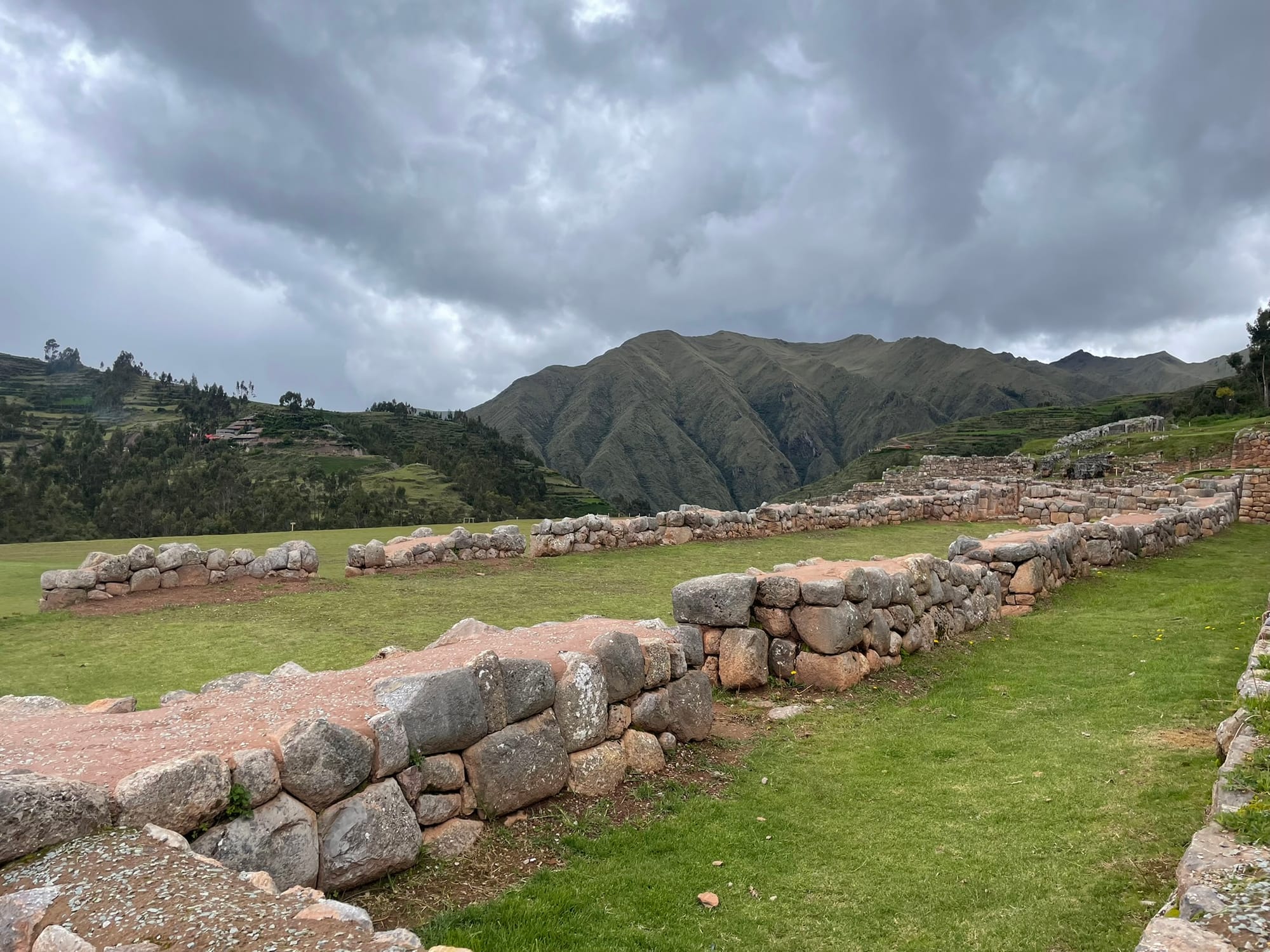
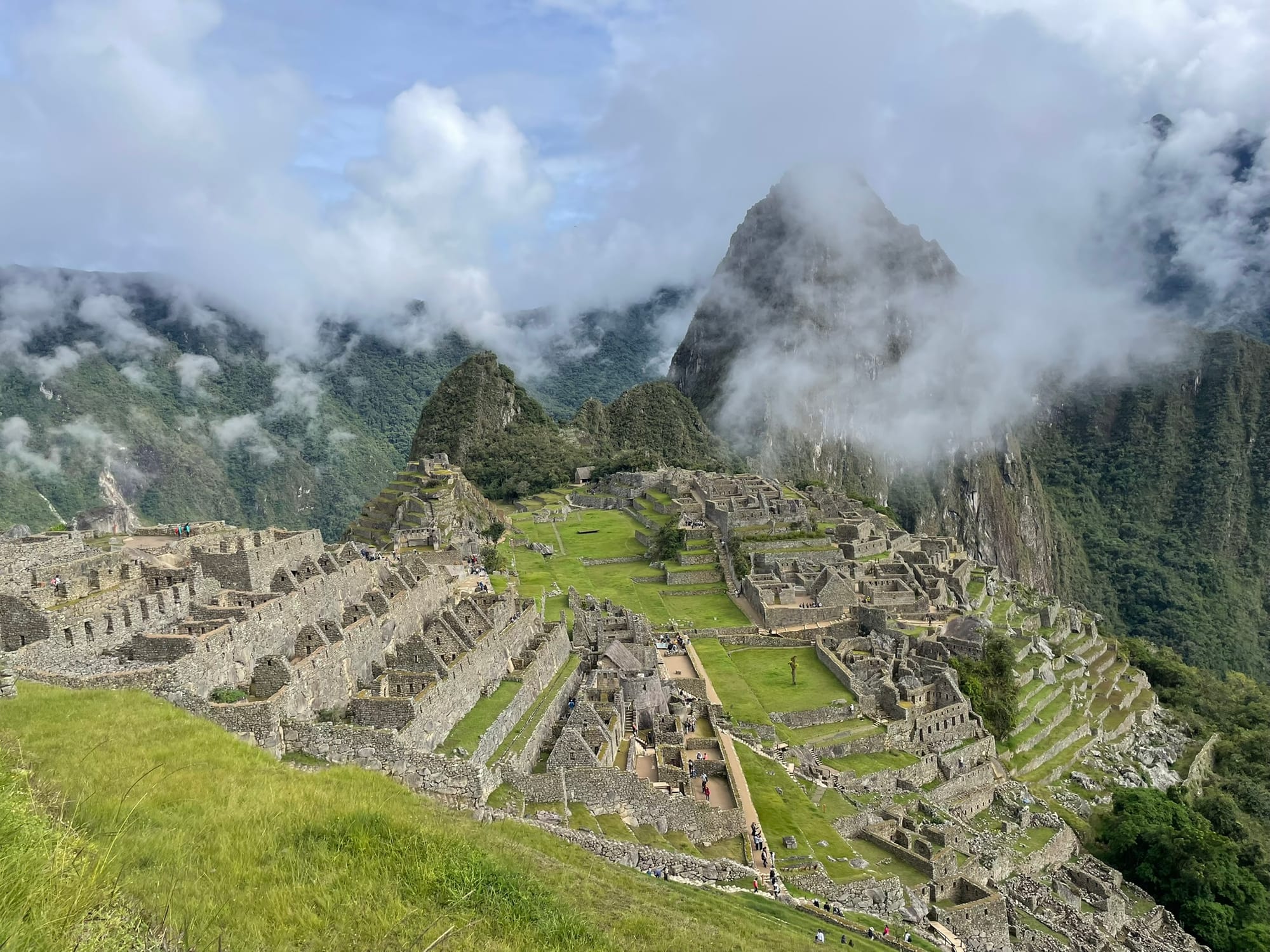
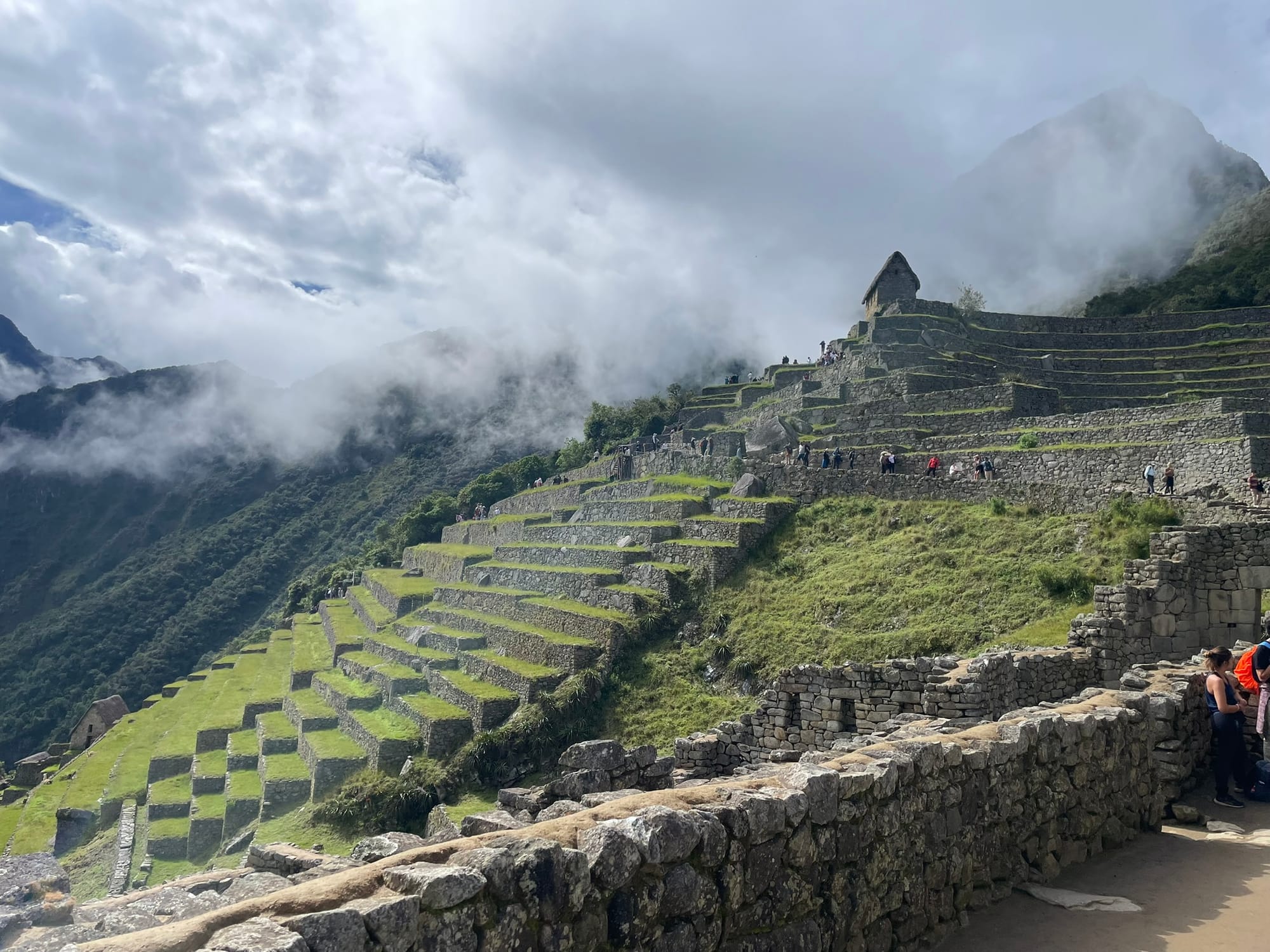
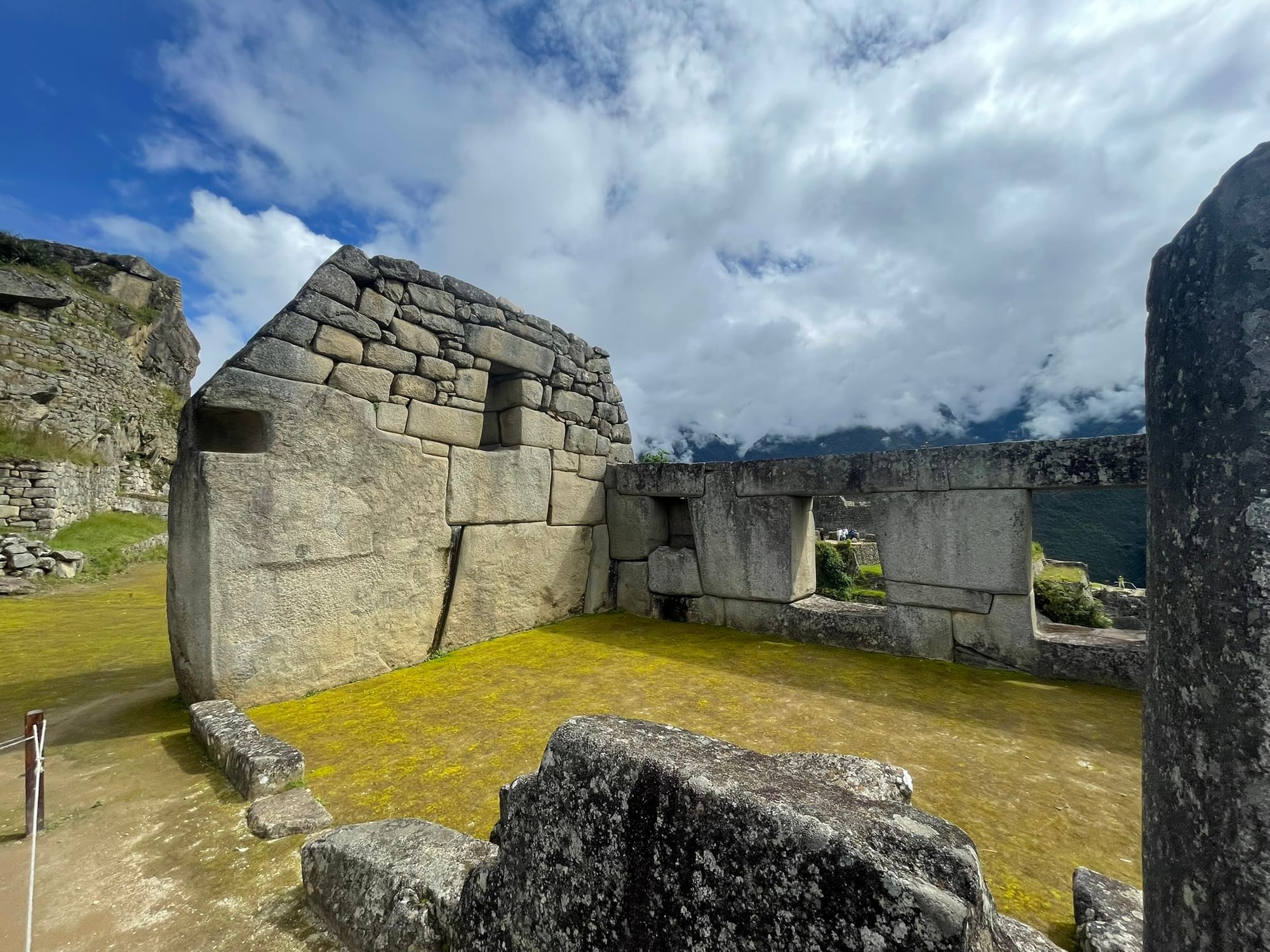
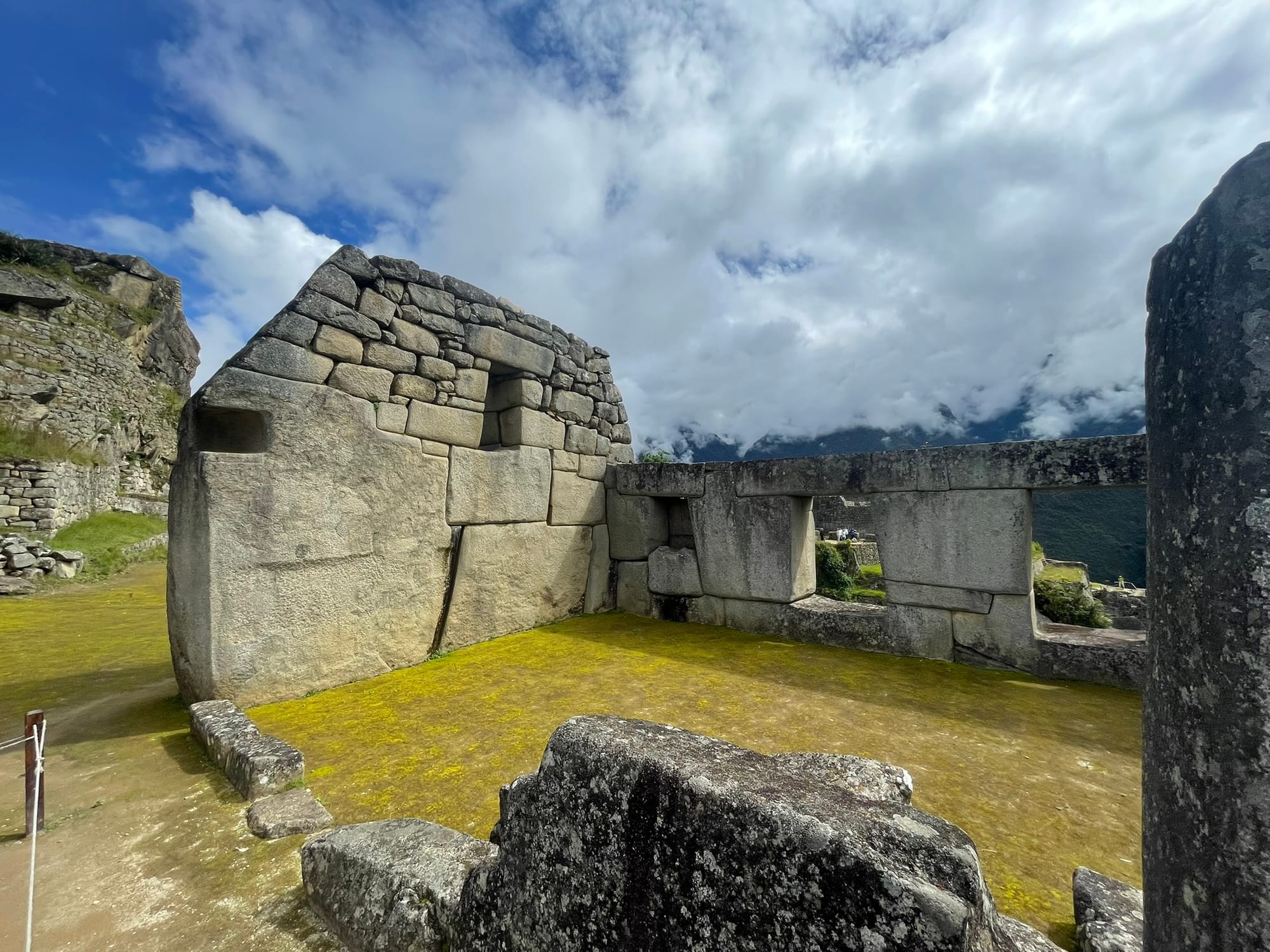
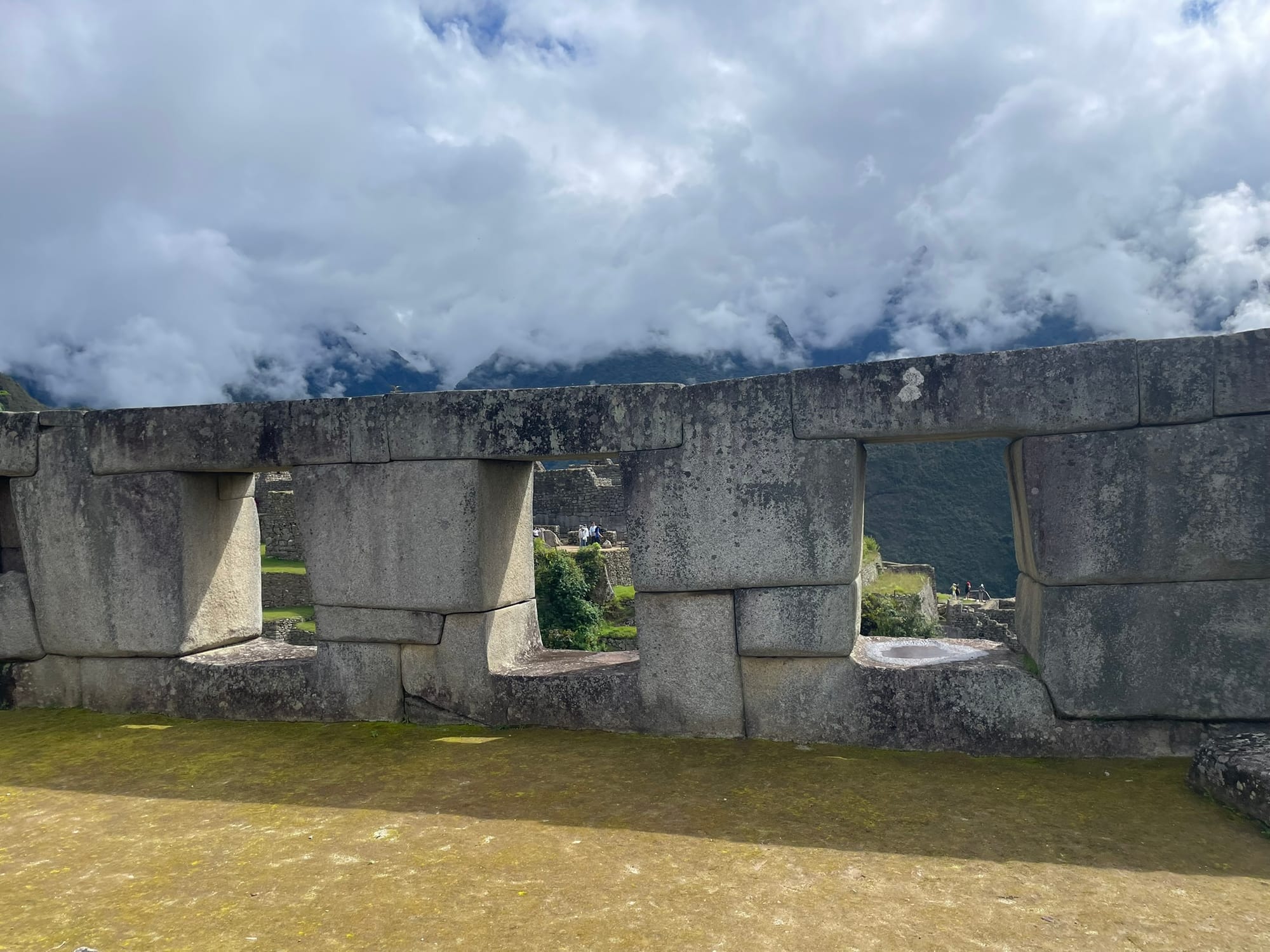
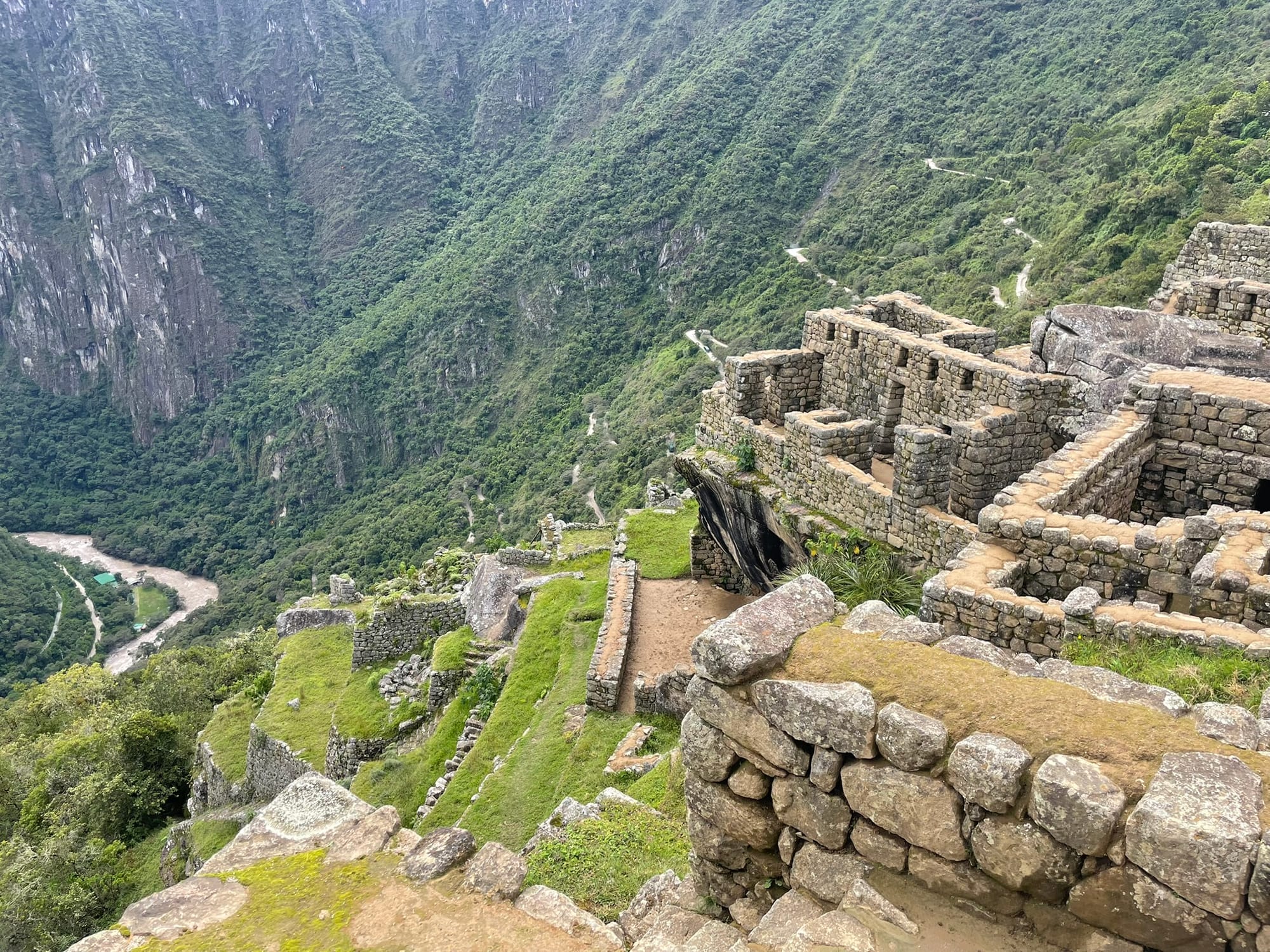
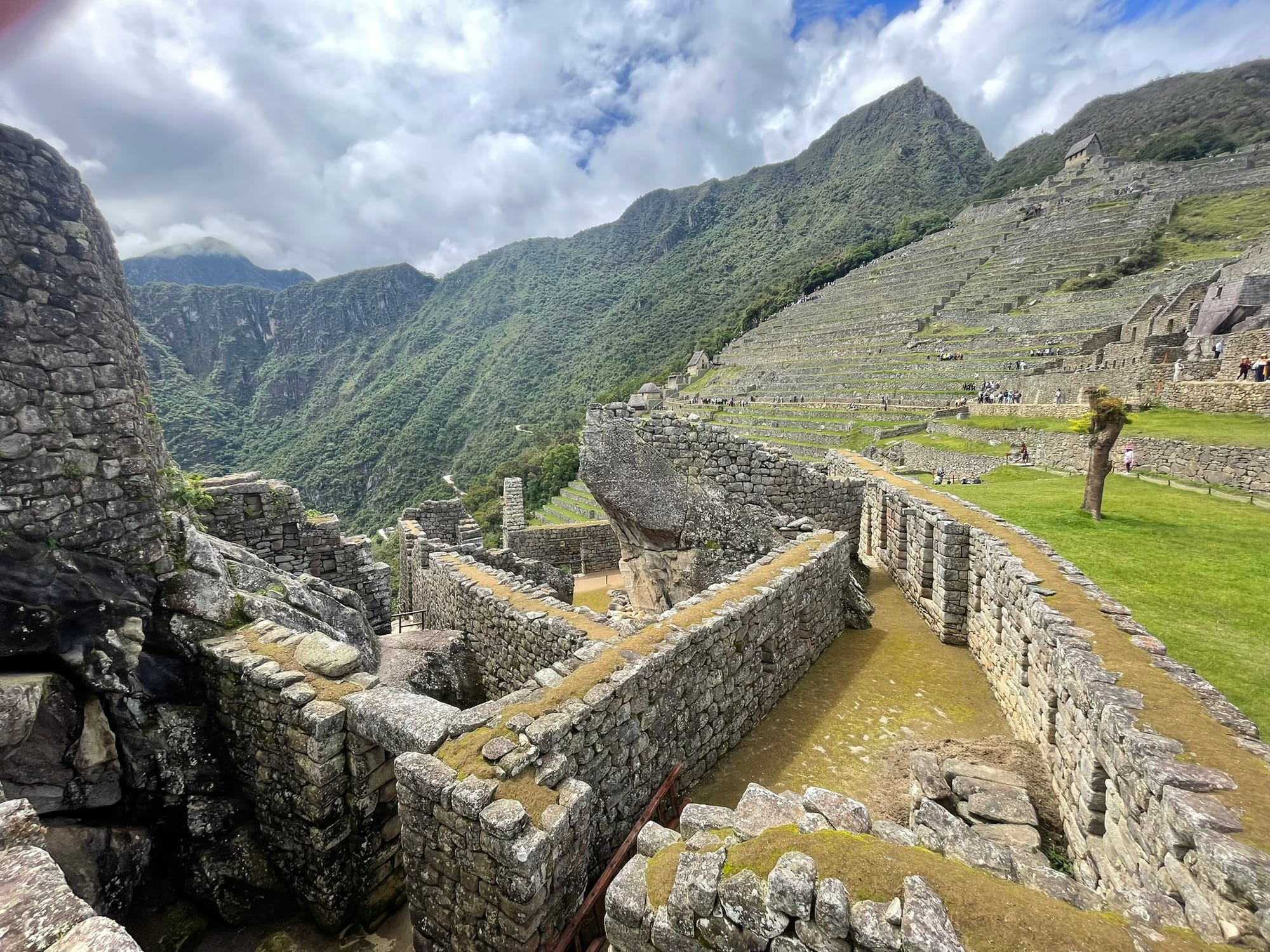
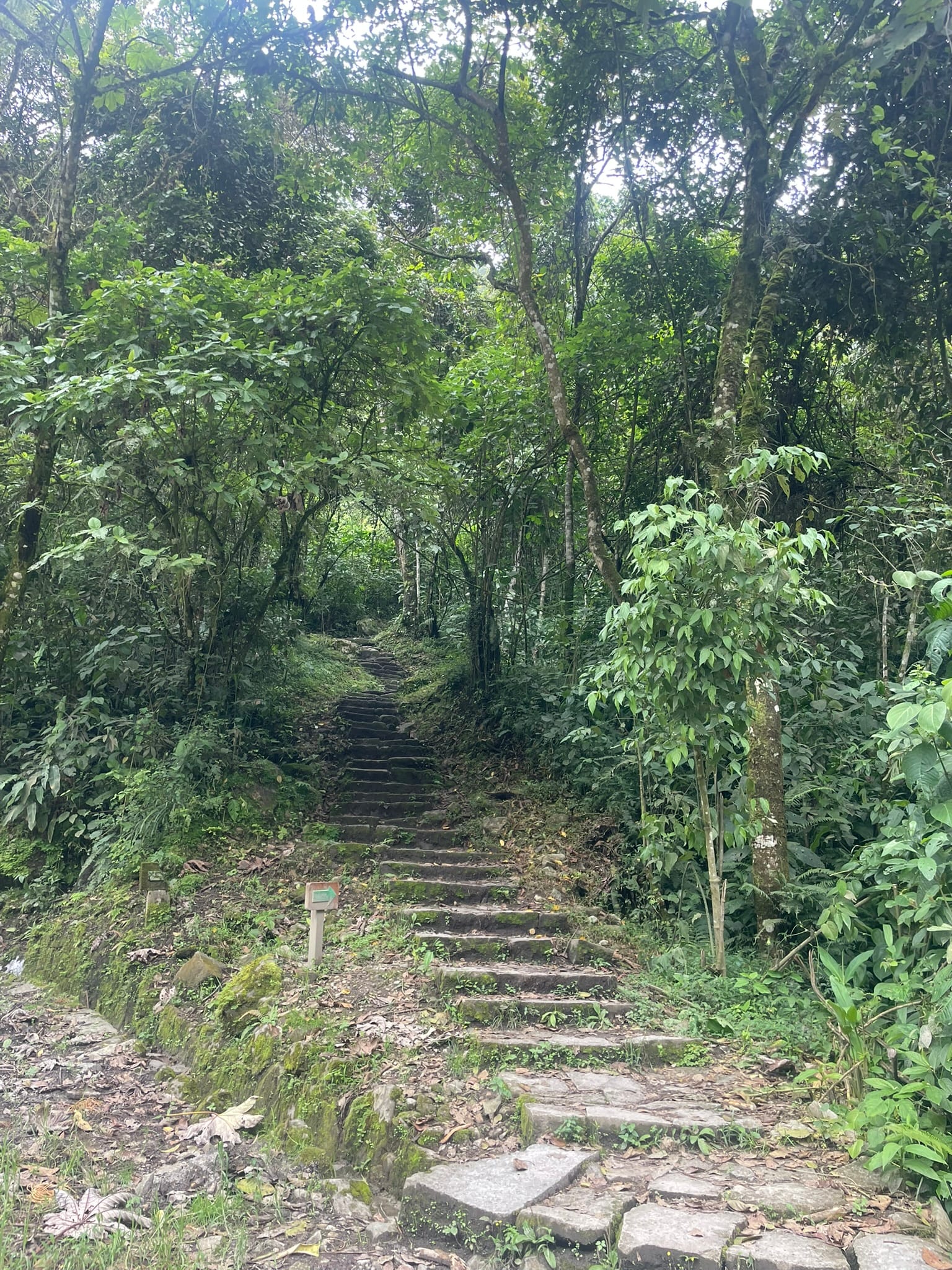
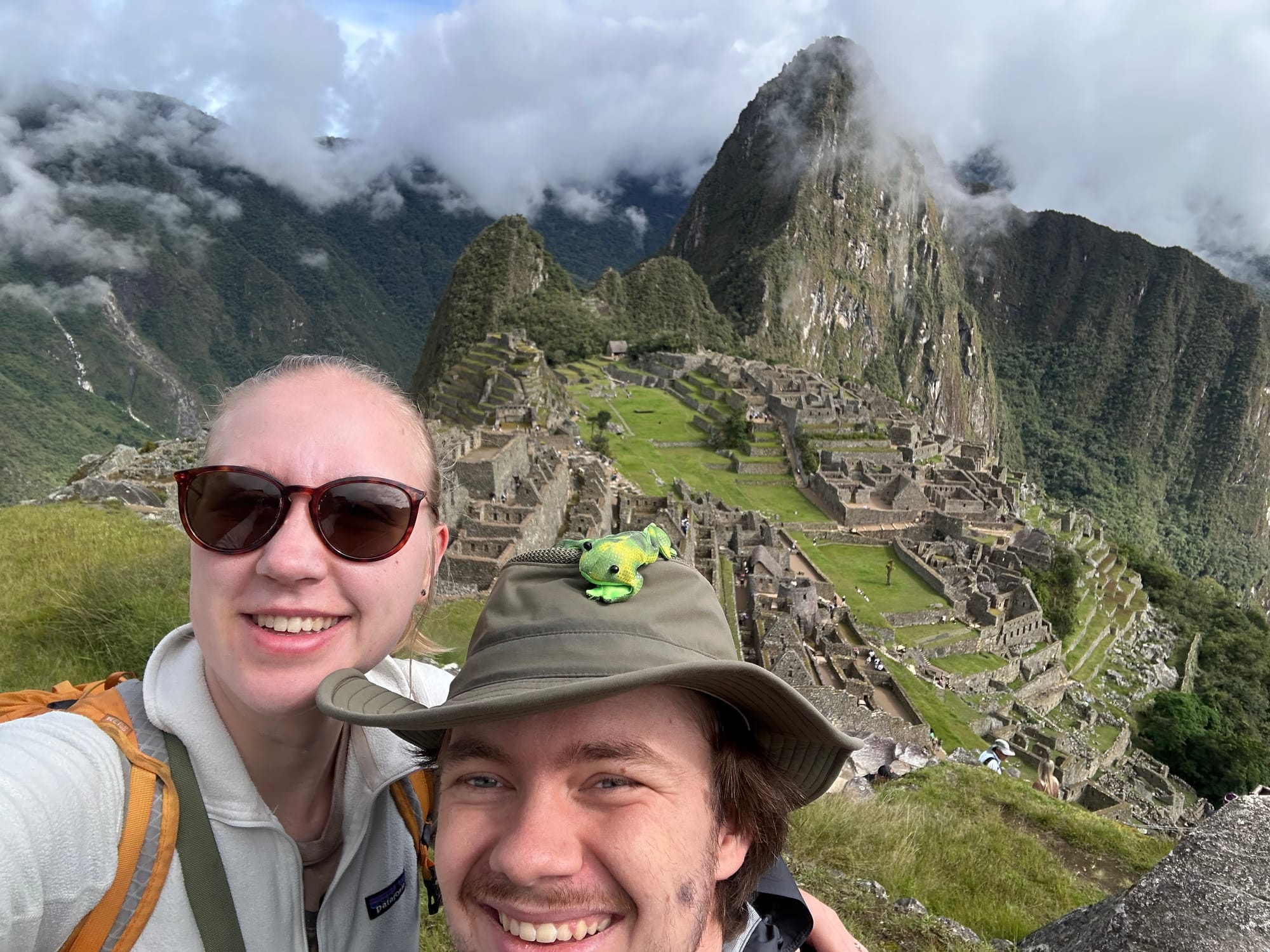
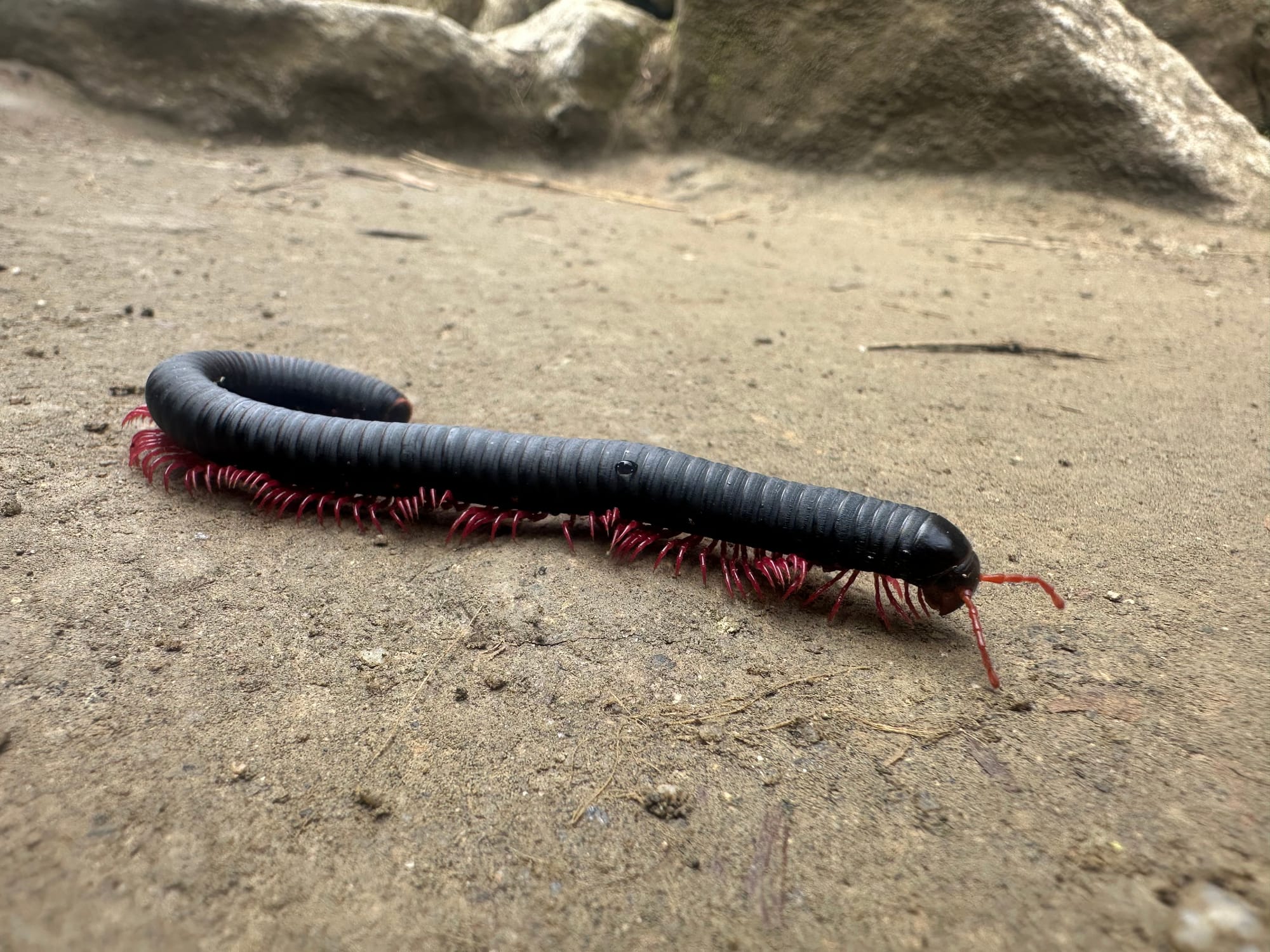
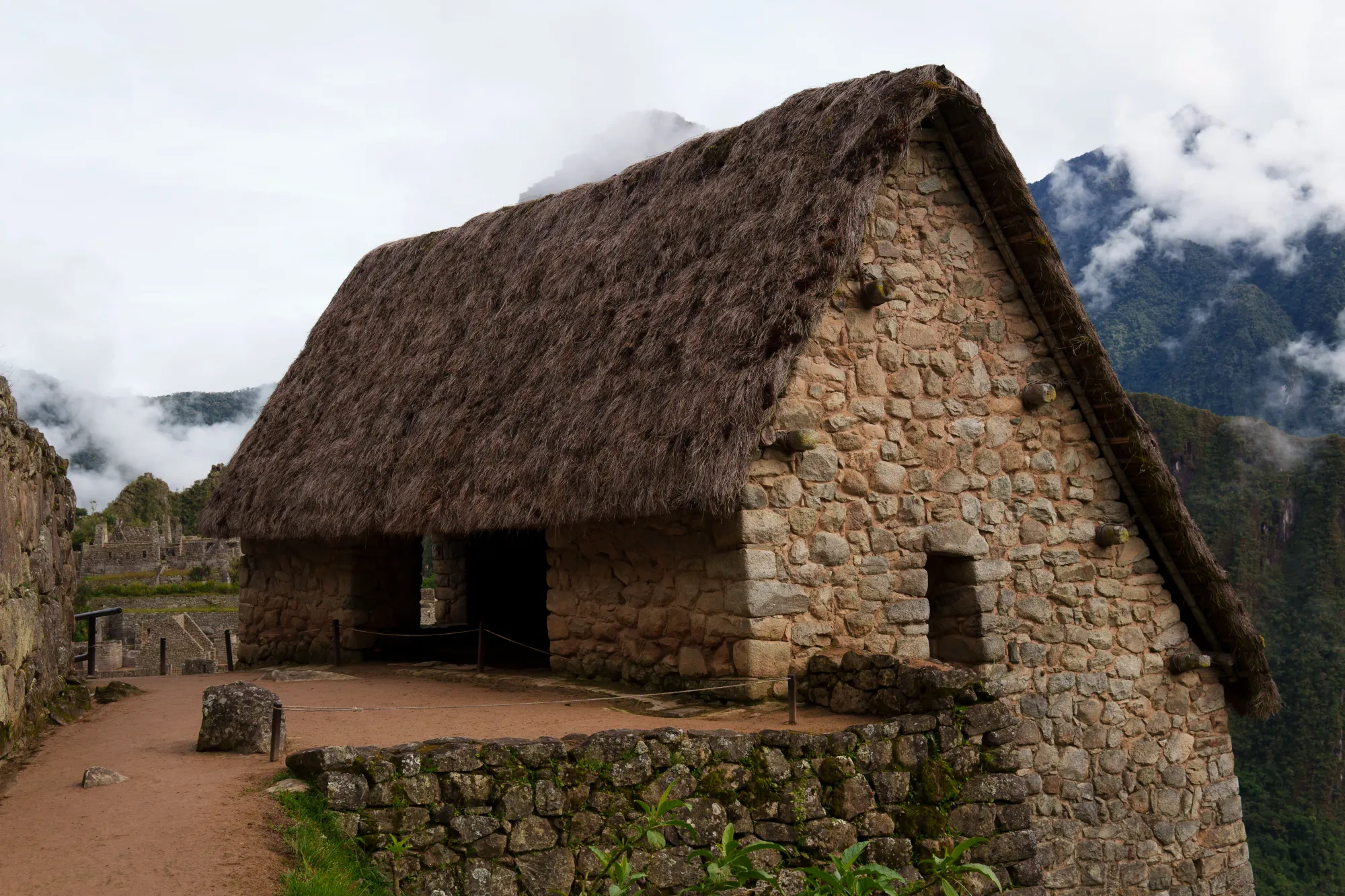
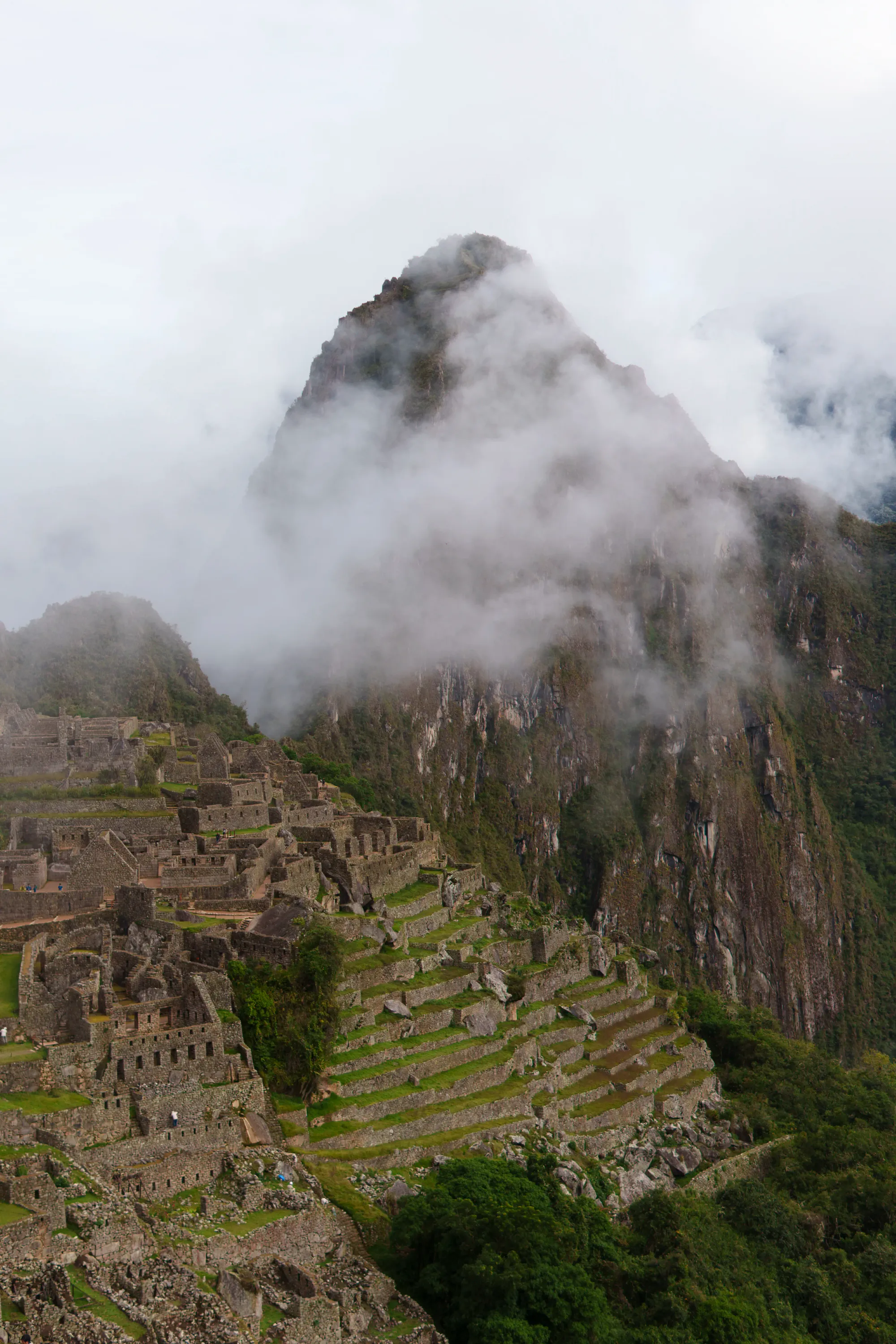
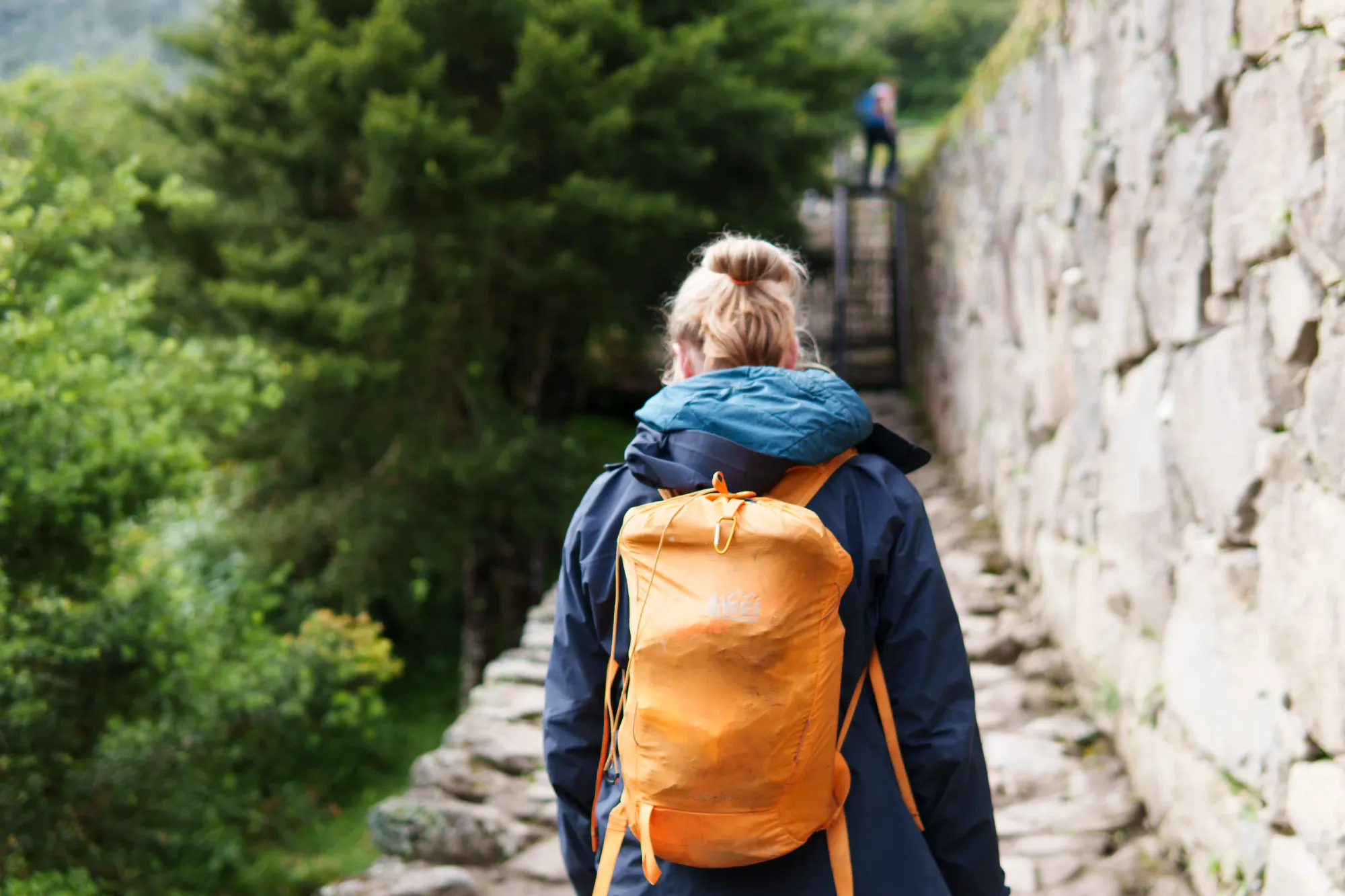
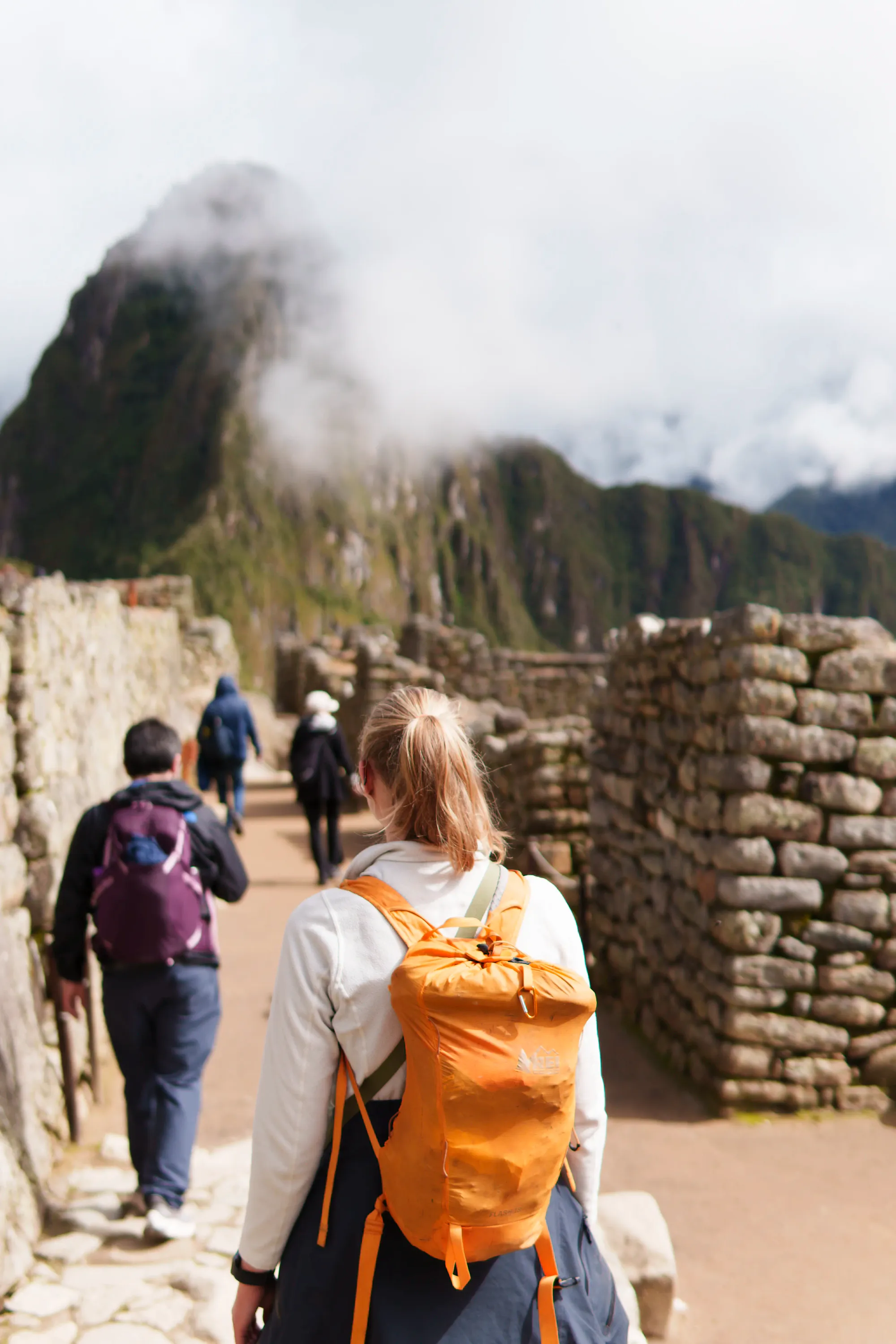
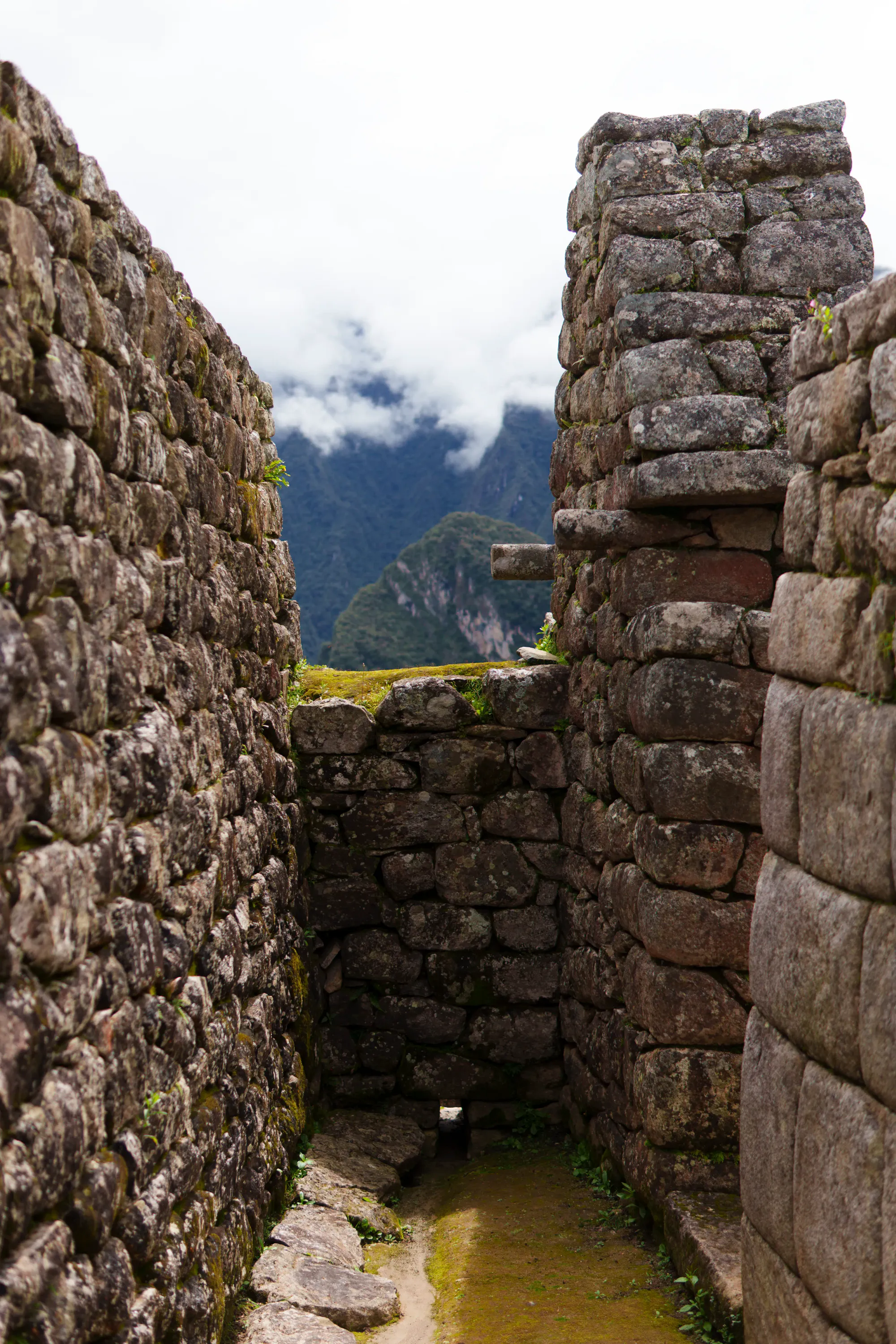
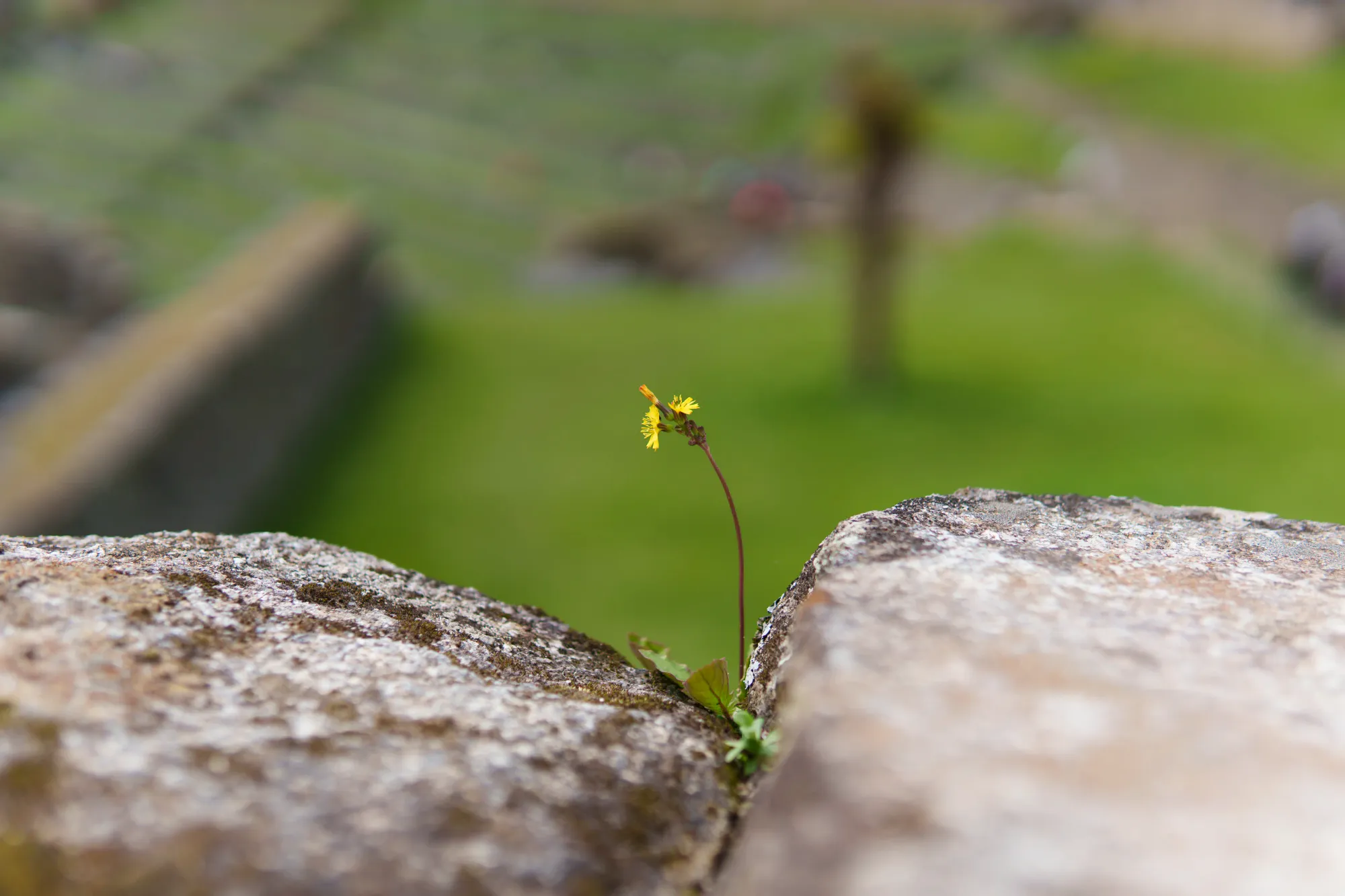
Not pictured: Johann getting completely winded after trying to climb the steps to our hostel in Aguas Calientes. High altitude travelling is a certain vibe. [📸 Rachel & Johann]
After one final meal at Atón, we caught a night bus (a.k.a. a sleep murderer) to Puno, on Lake Titicaca. From town we took a boat out to the Uros floating islands, which are constructed from matted lake reeds. Another four-and-a-half hours over very choppy water brought us to Amantaní Island, where we had an incredible overnight homestay with a local couple, Catalina and Juan.
We had a lovely time chatting with our warm, welcoming hosts. They told us about life on the island, and demonstrated traditional back-strap weaving and flute playing. Catalina wore a finely embroidered shawl and blouse, and as we walked through the village she was actively knitting a hat. Before dinner we climbed up to the Incan temples dedicated to Pachamama and Pachapapa (Mother and Father Earth), the stone structures perched on the two highest points of the island. From there we could see the entirety of Amantaní Island, every hill and valley shaped by ancient farming terraces.
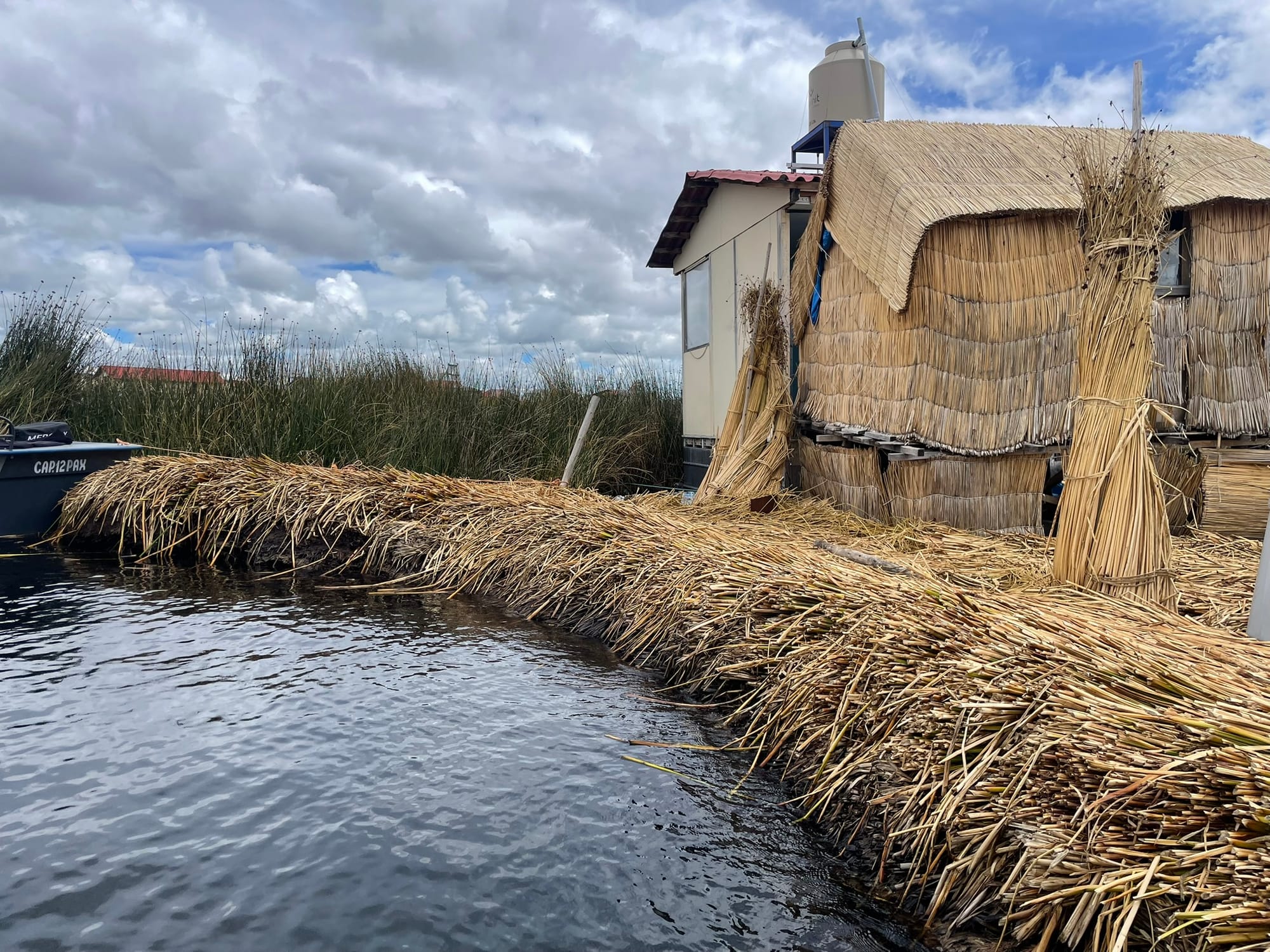
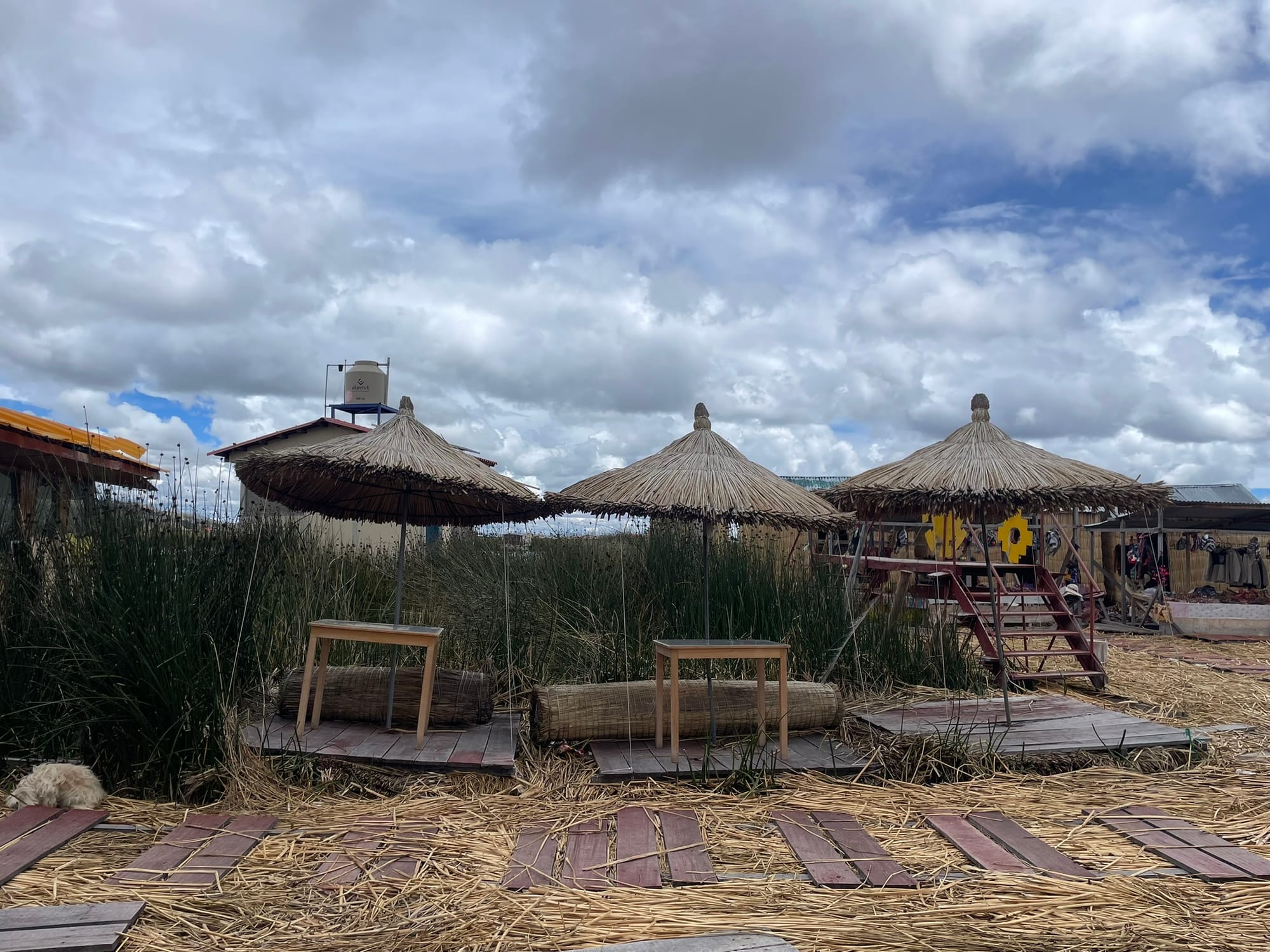
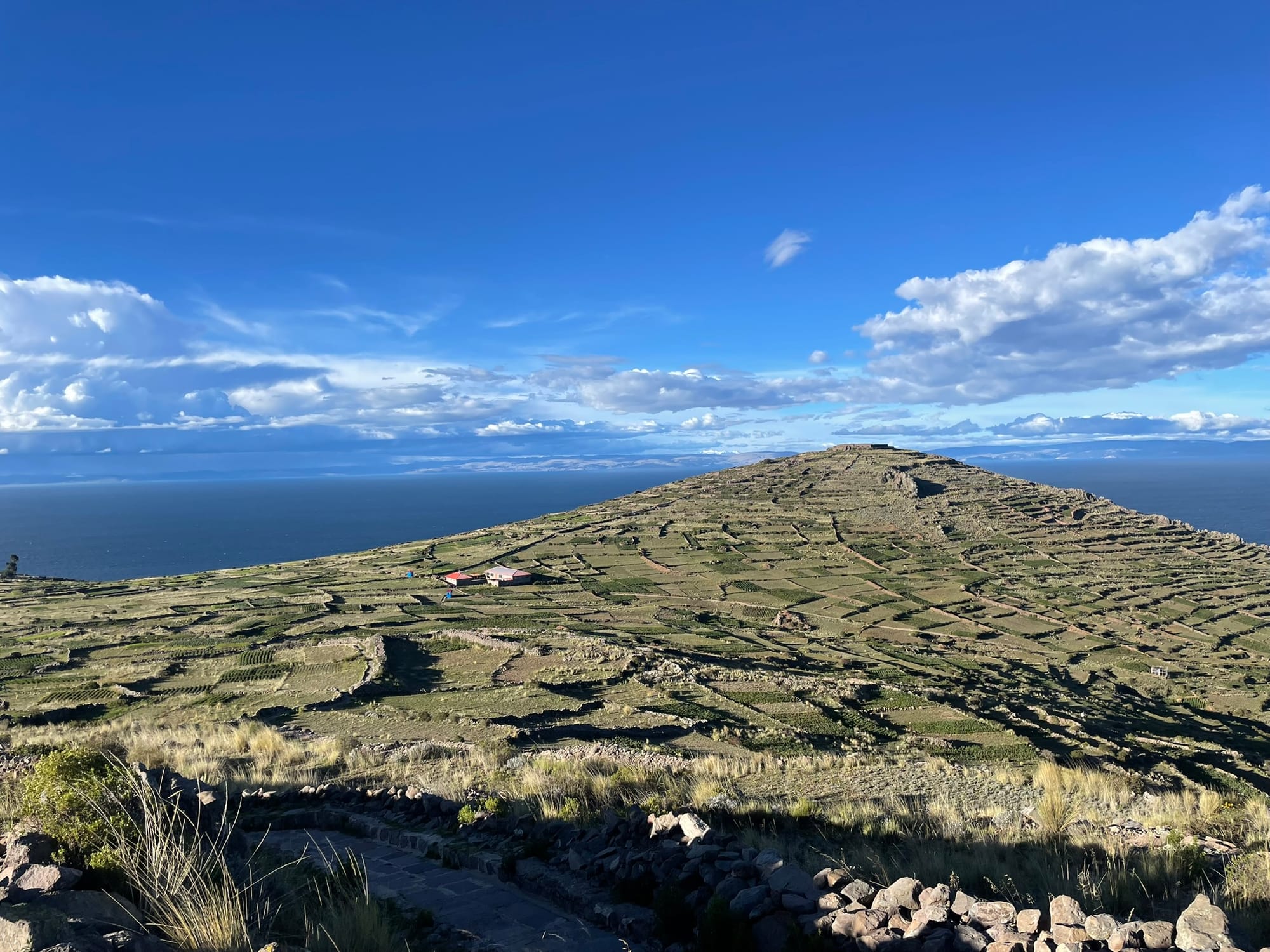
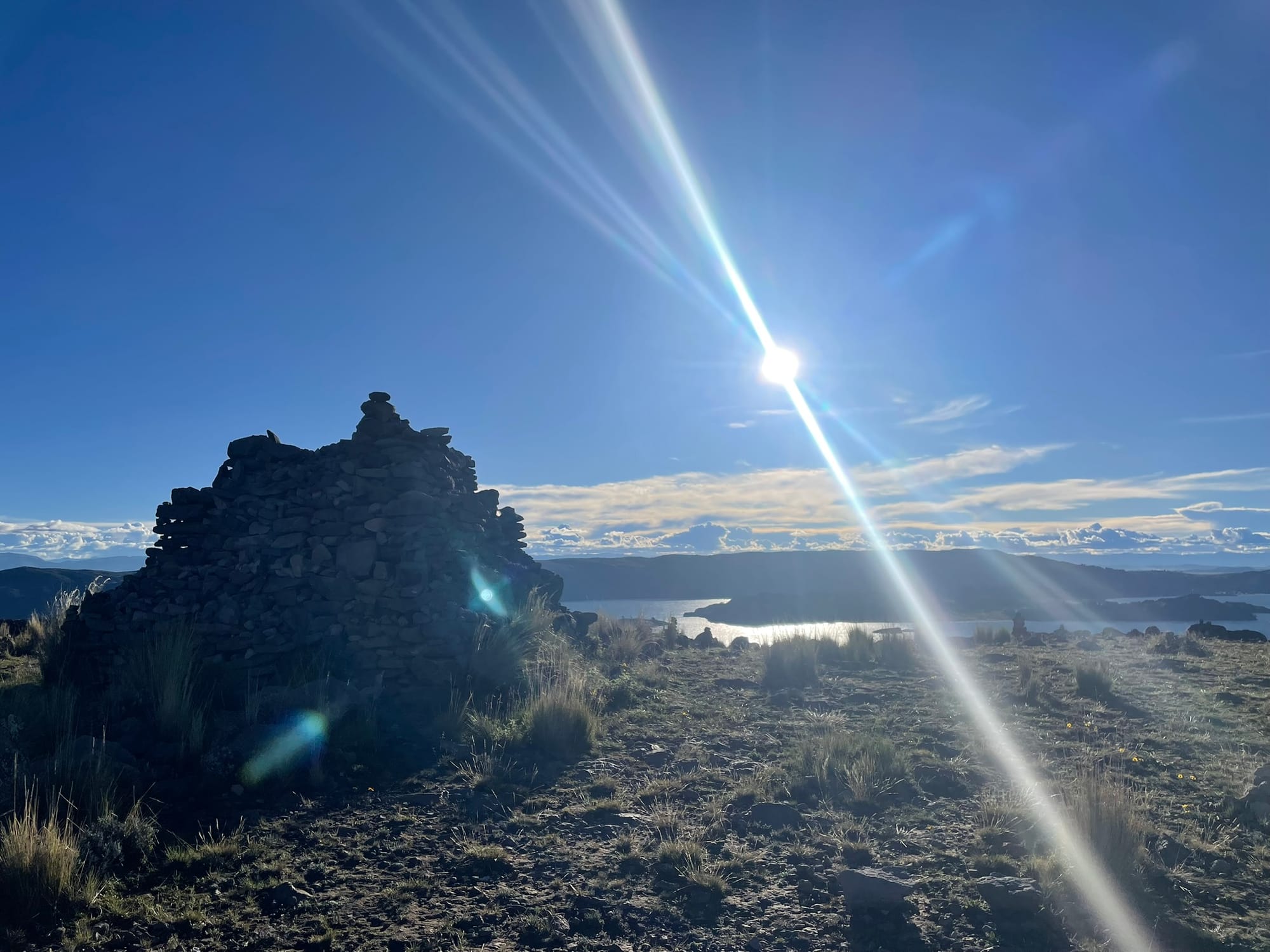
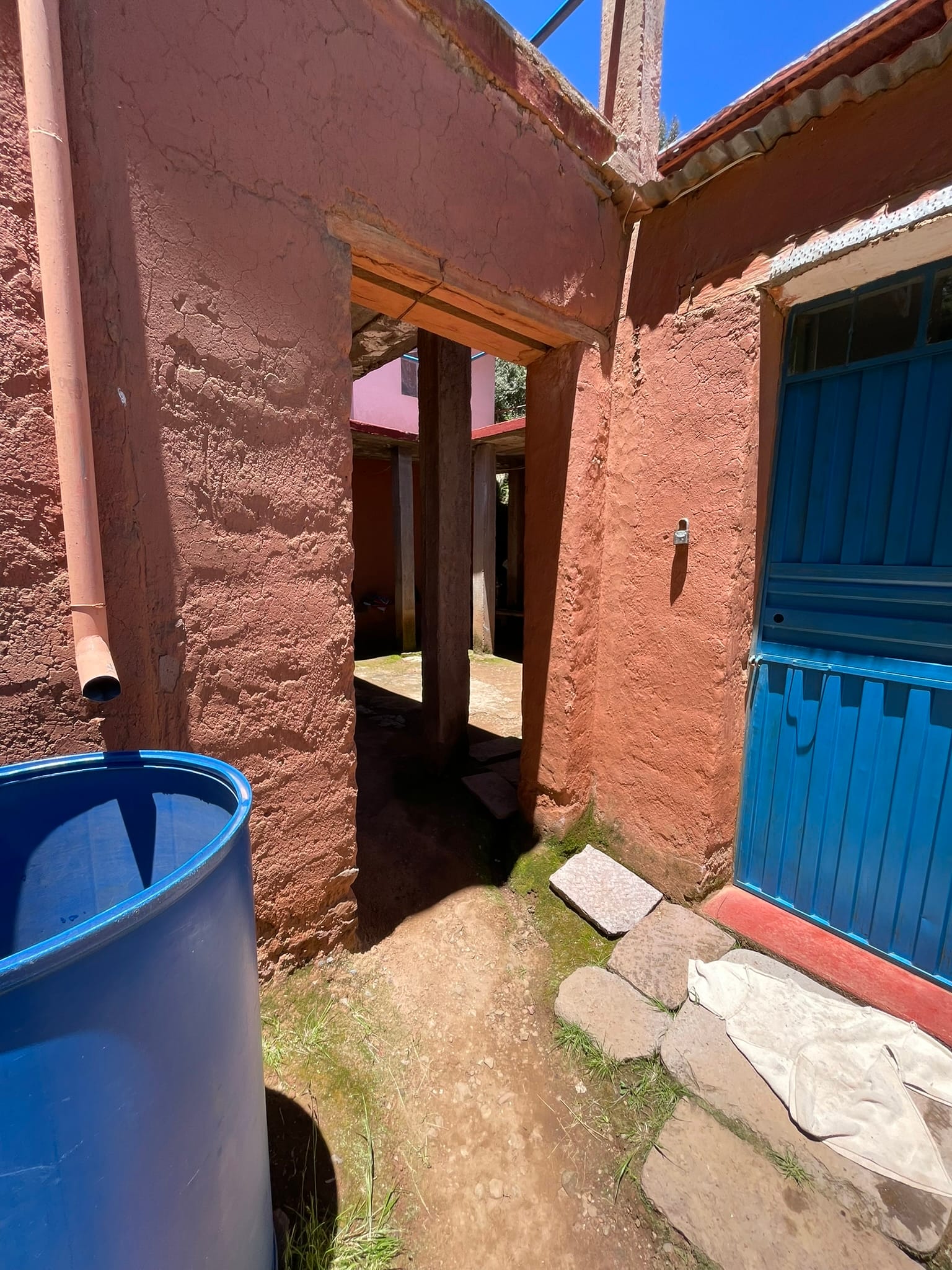
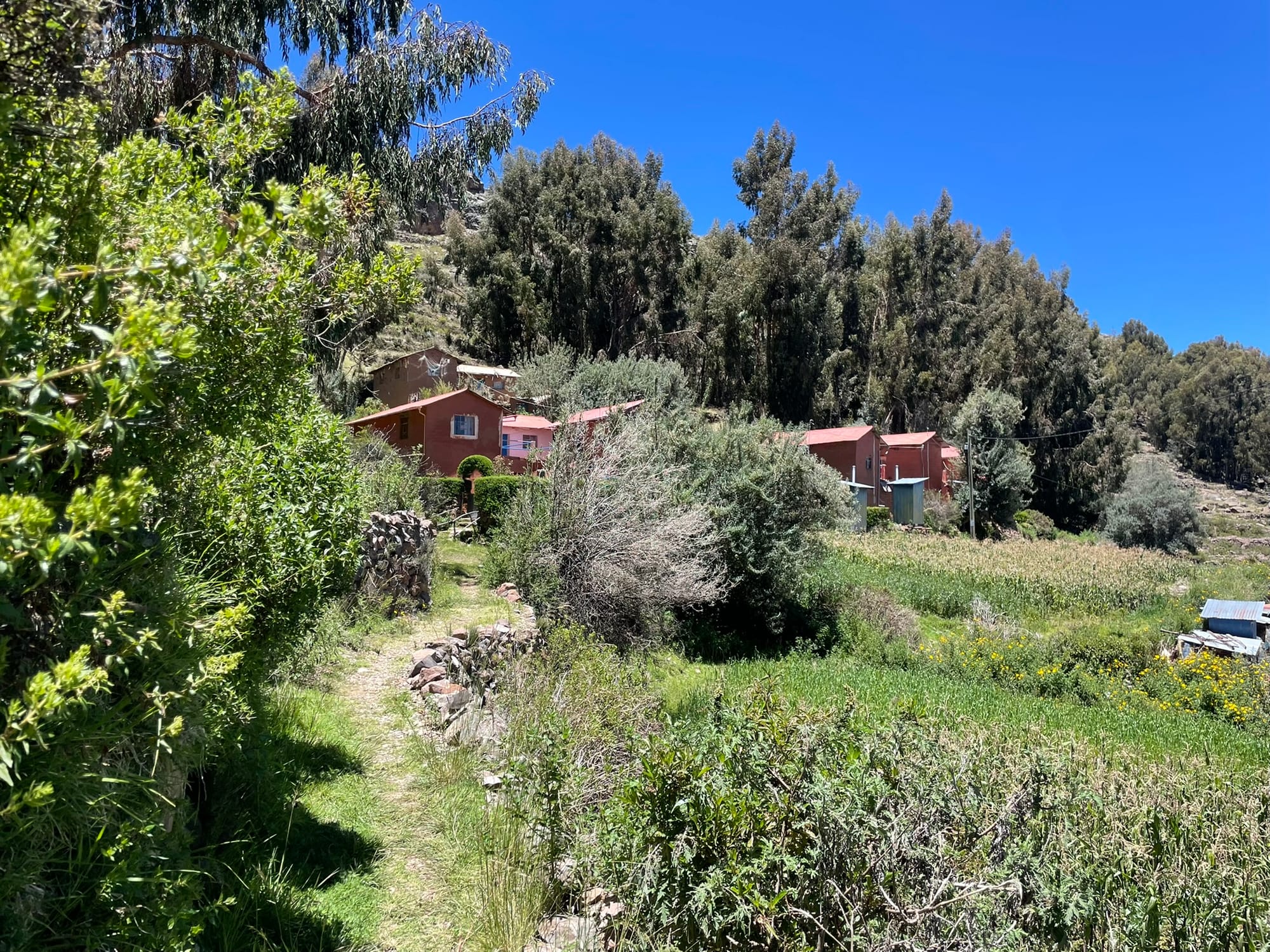
Every day is leg day in the Andes! [📸 Rachel & Johann]
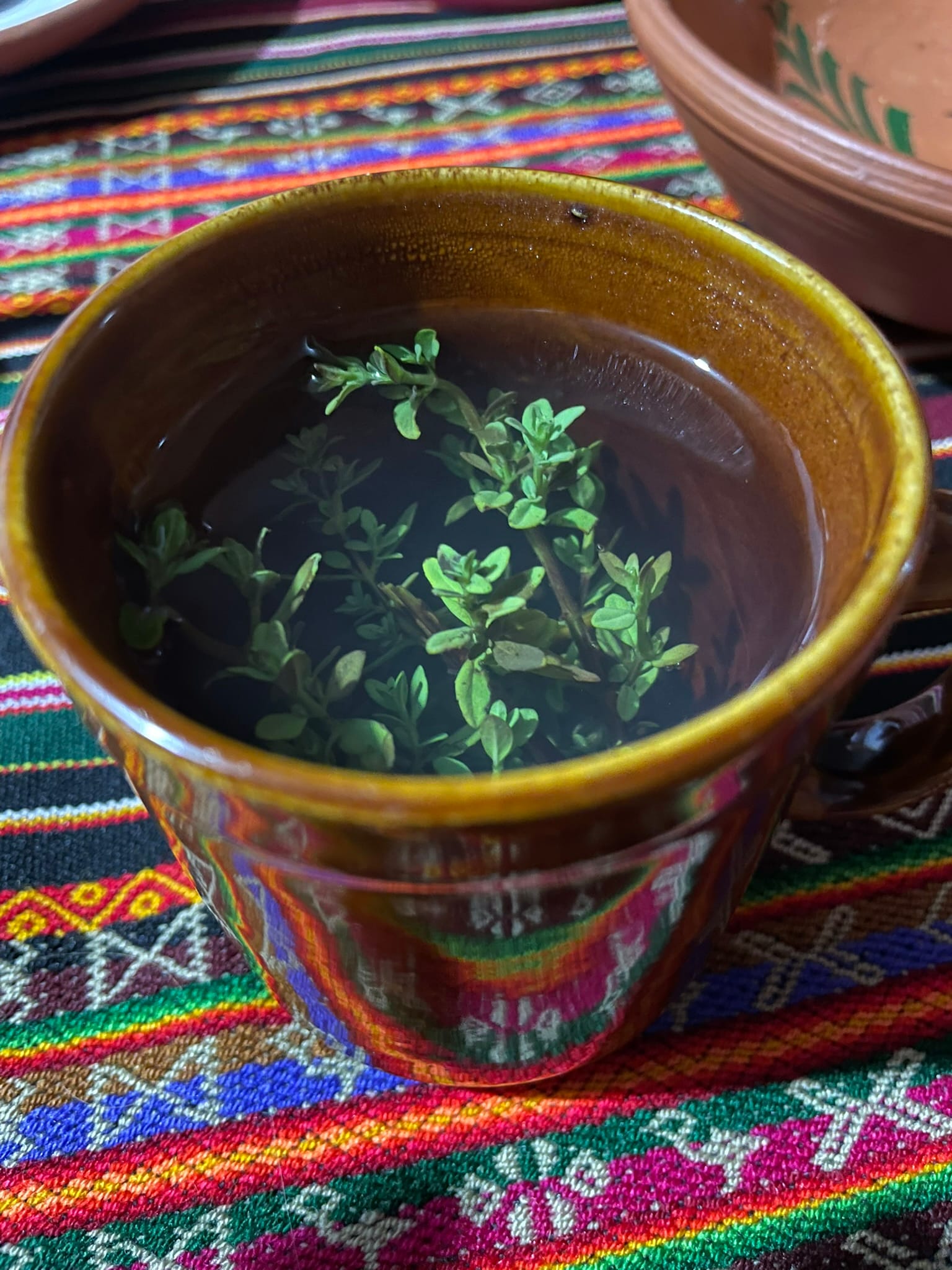
The food was simple and hearty, much of it grown on the island: Quinoa soup with potatoes, rice and sliced cucumber, fried rounds of cheese. We drank muña tea, made from wild mint picked from the hillside.
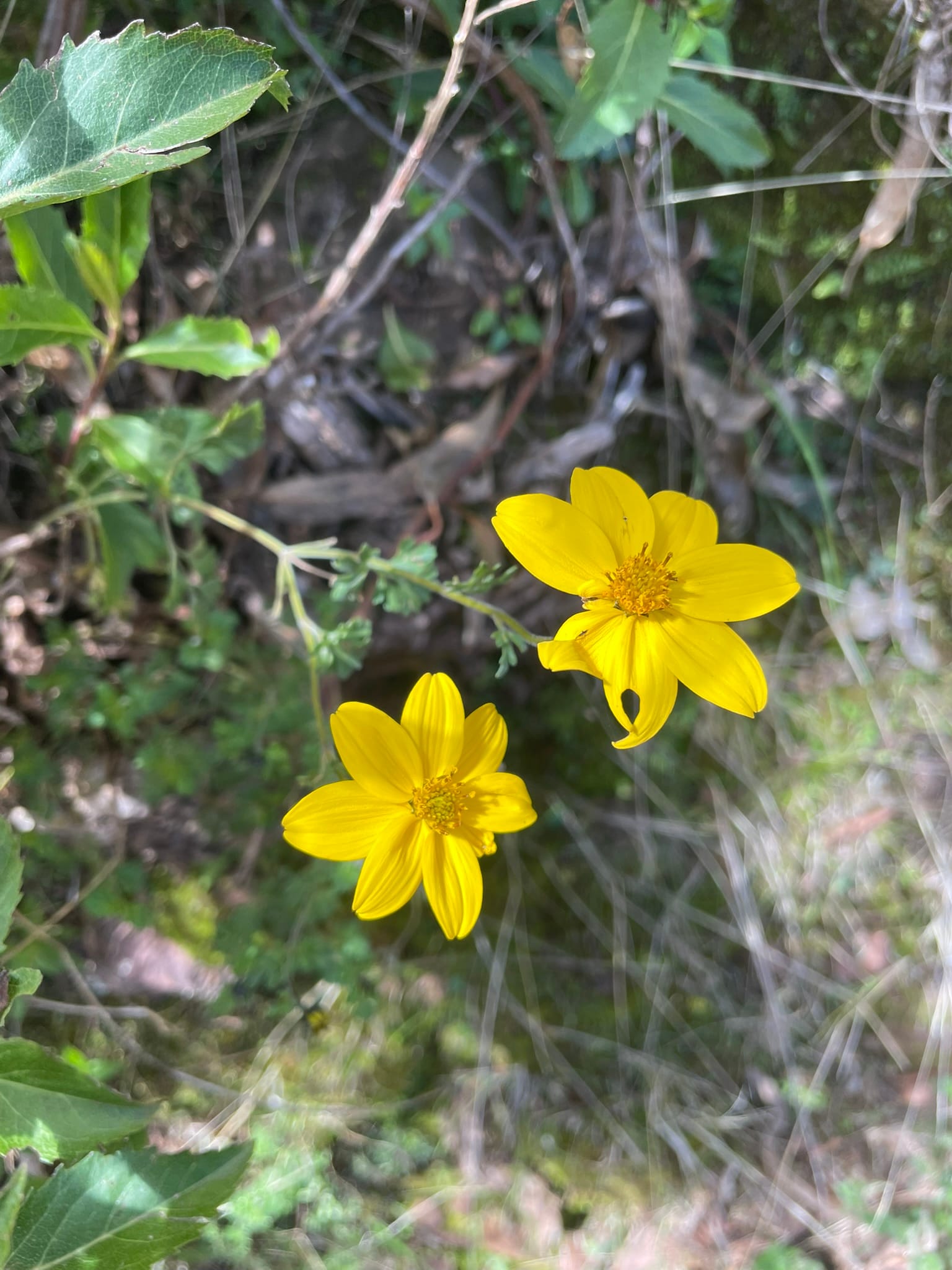
The next morning, we helped plant potatoes in a small field adjacent to their sheep enclosure, using a wooden plow which required three people to operate. Catalina and Juan generously taught us some of the native plants, giving their names in Spanish and Quechua and explaining their medicinal uses.
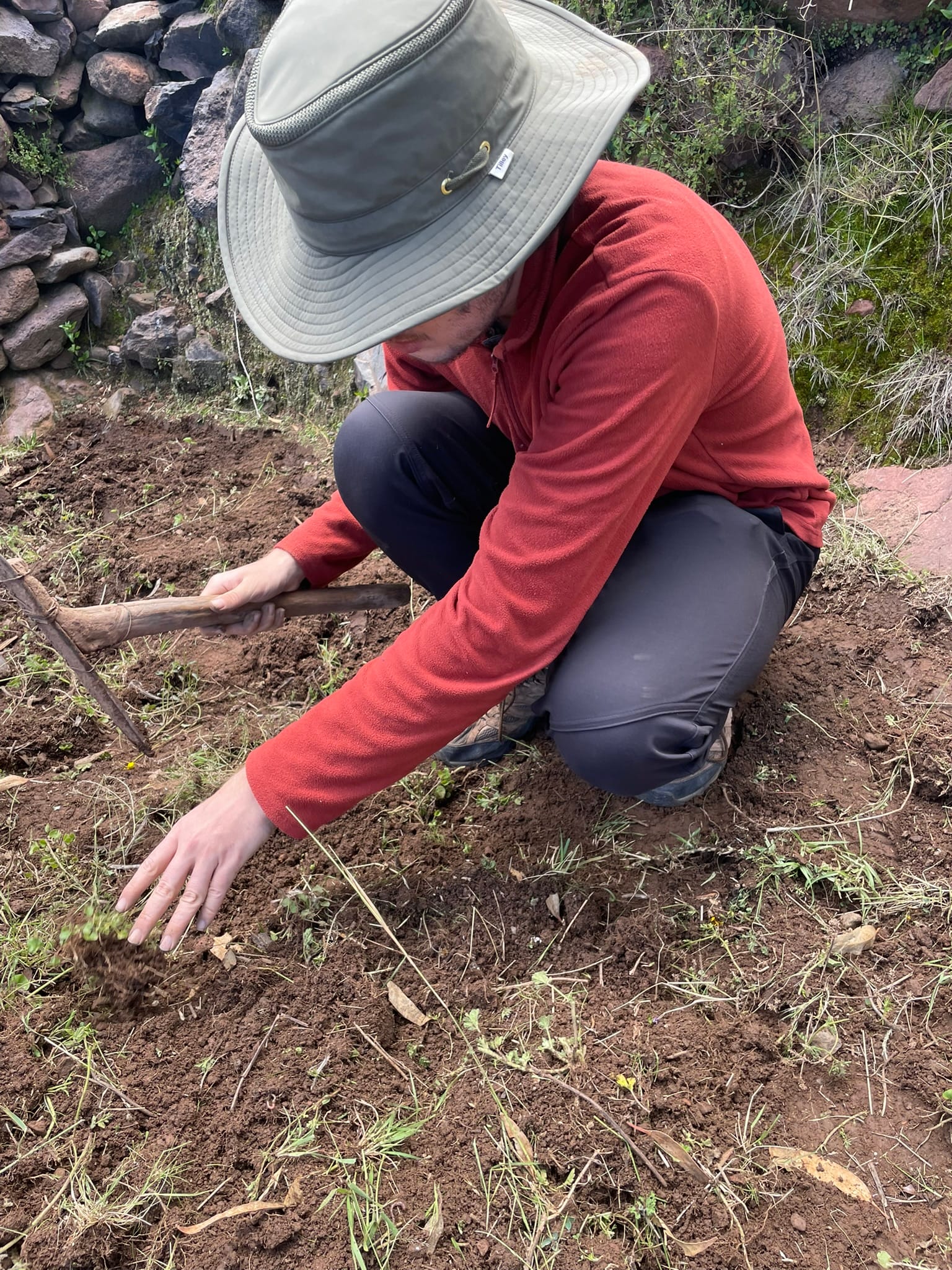
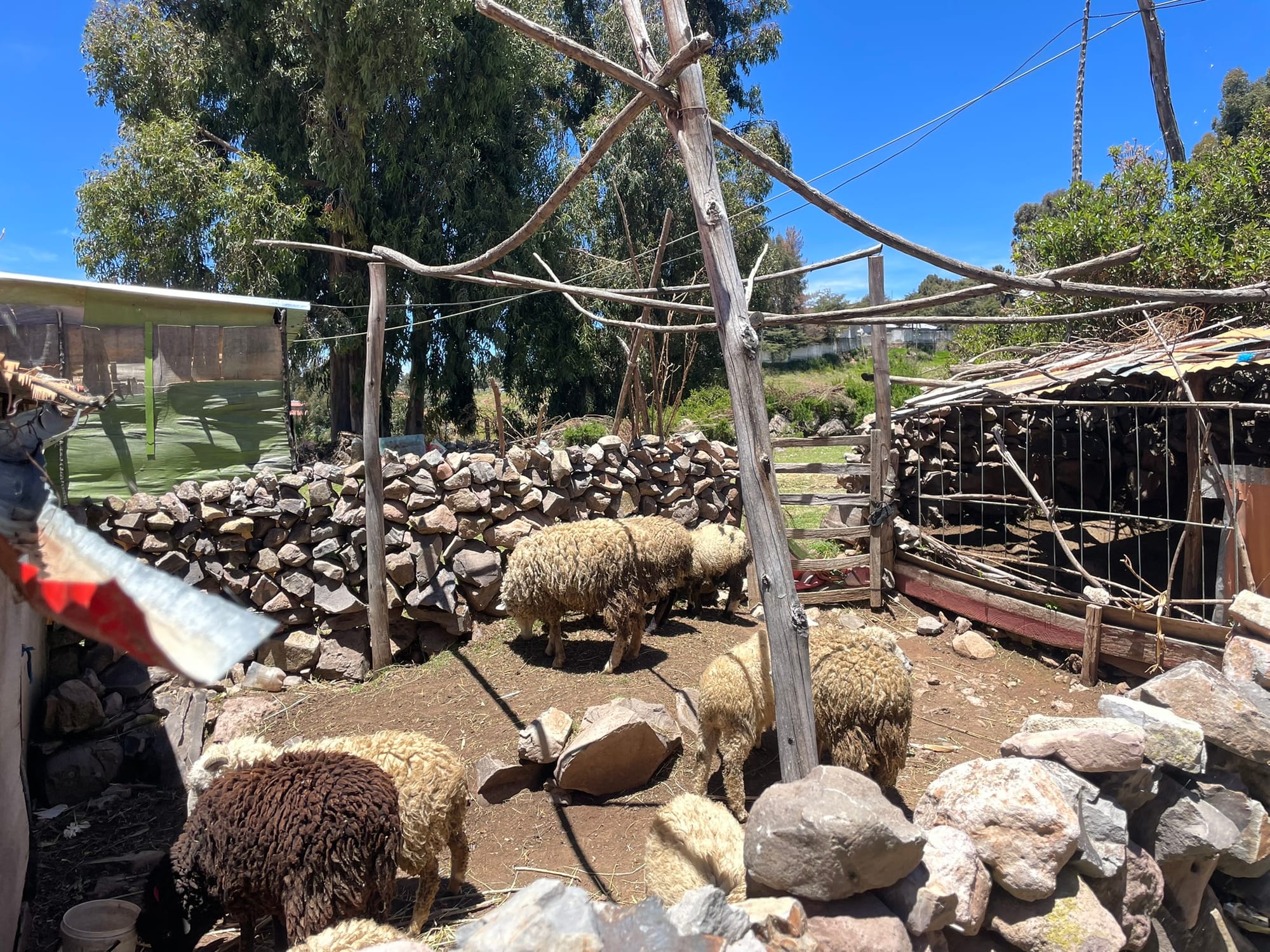
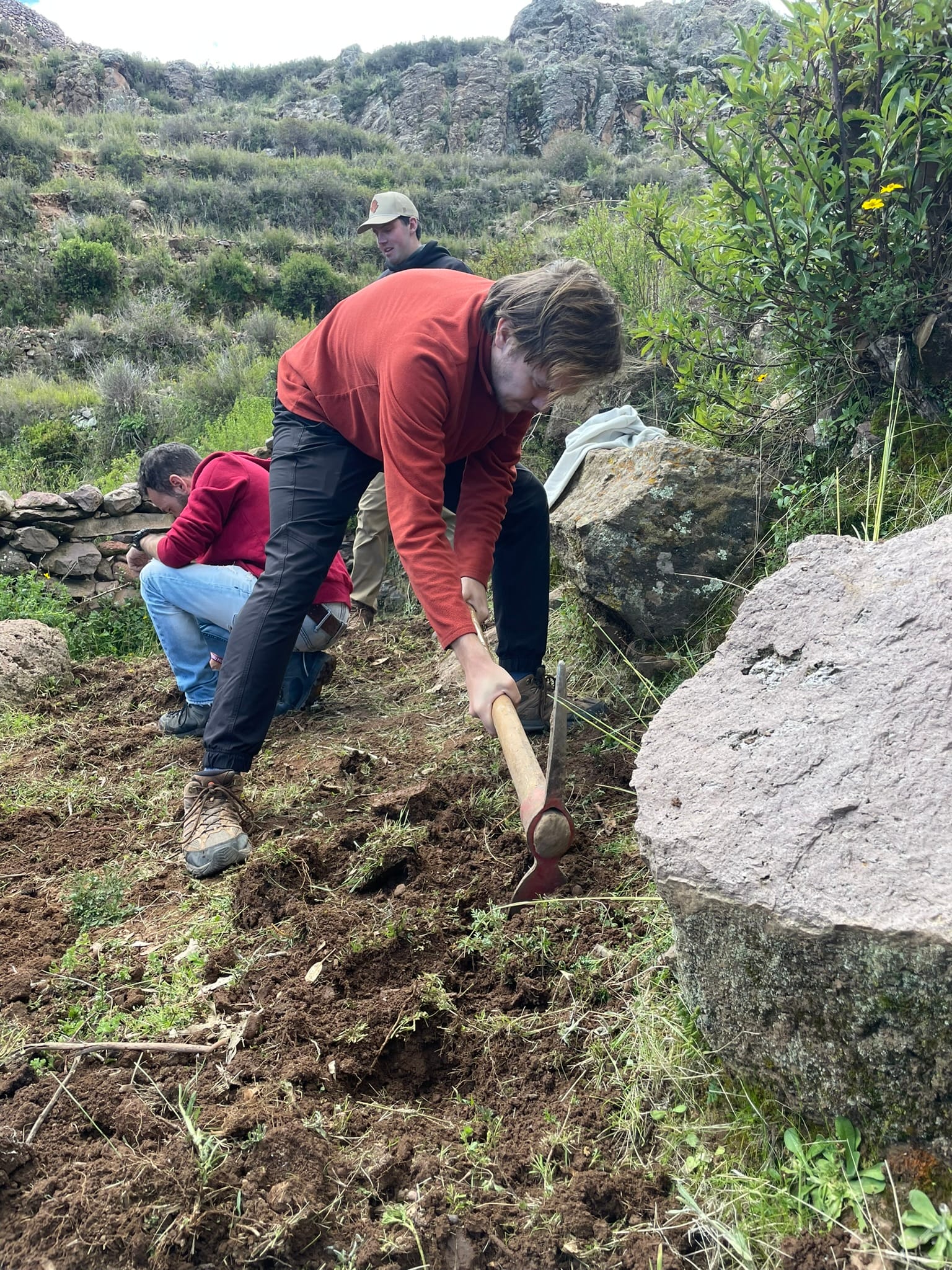
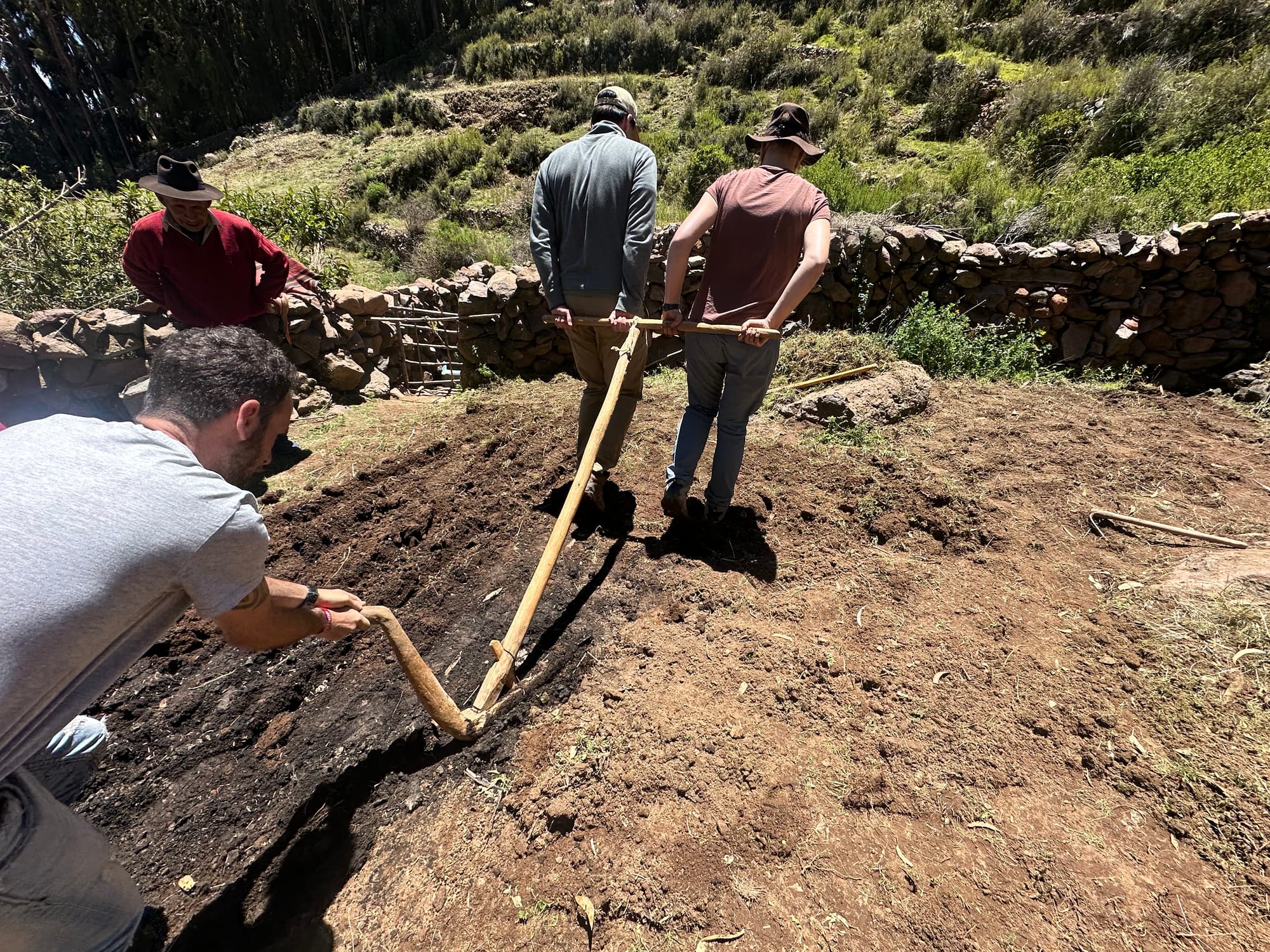
We kept finding massive grubs in the soil as we dug out grass by hand, preparing it for the potatoes. [📸 Rachel]
The boat ride back to town was much calmer, and we even stopped on the mainland peninsula for a delicious trout lunch. We slept in Puno overnight and crossed into Bolivia the next day. We disembarked from the bus and walked across the border, stopping at Peruvian immigration (for our exit stamp), Bolivian immigration (for our entrance stamp), and Bolivian customs. No one was enforcing our passage, and the entire road through the border was lined with small snack shops and currency exchanges.
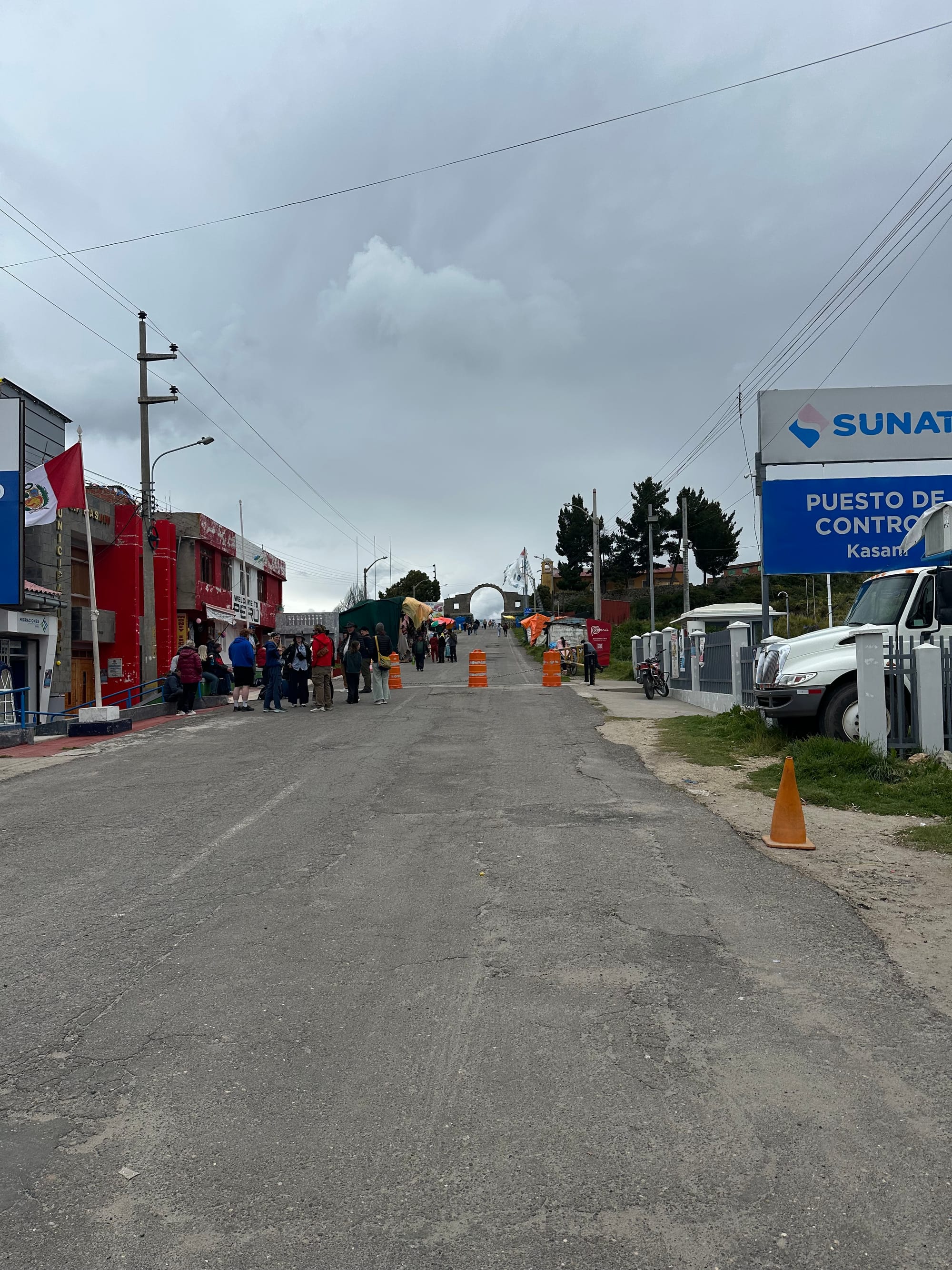
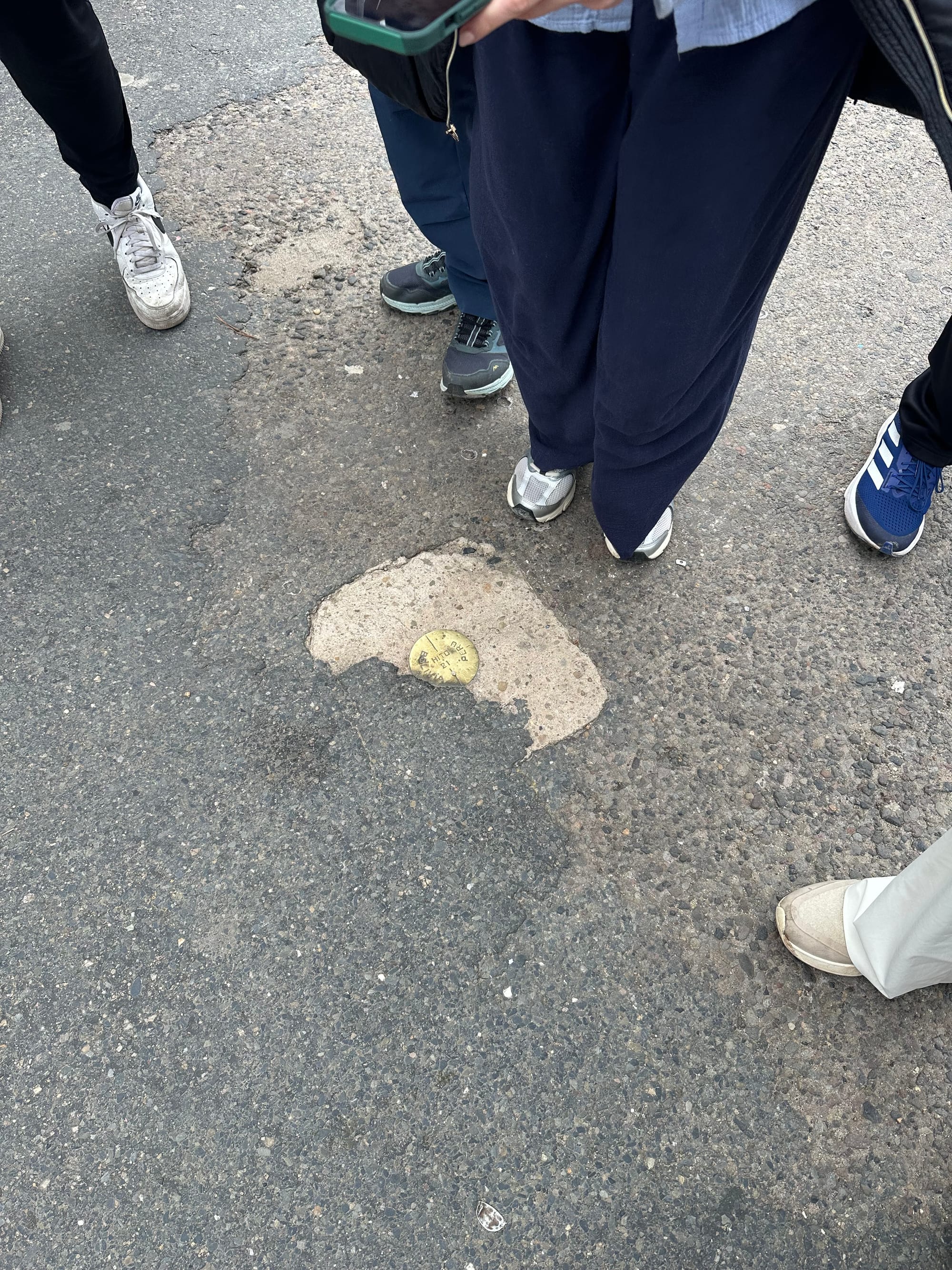
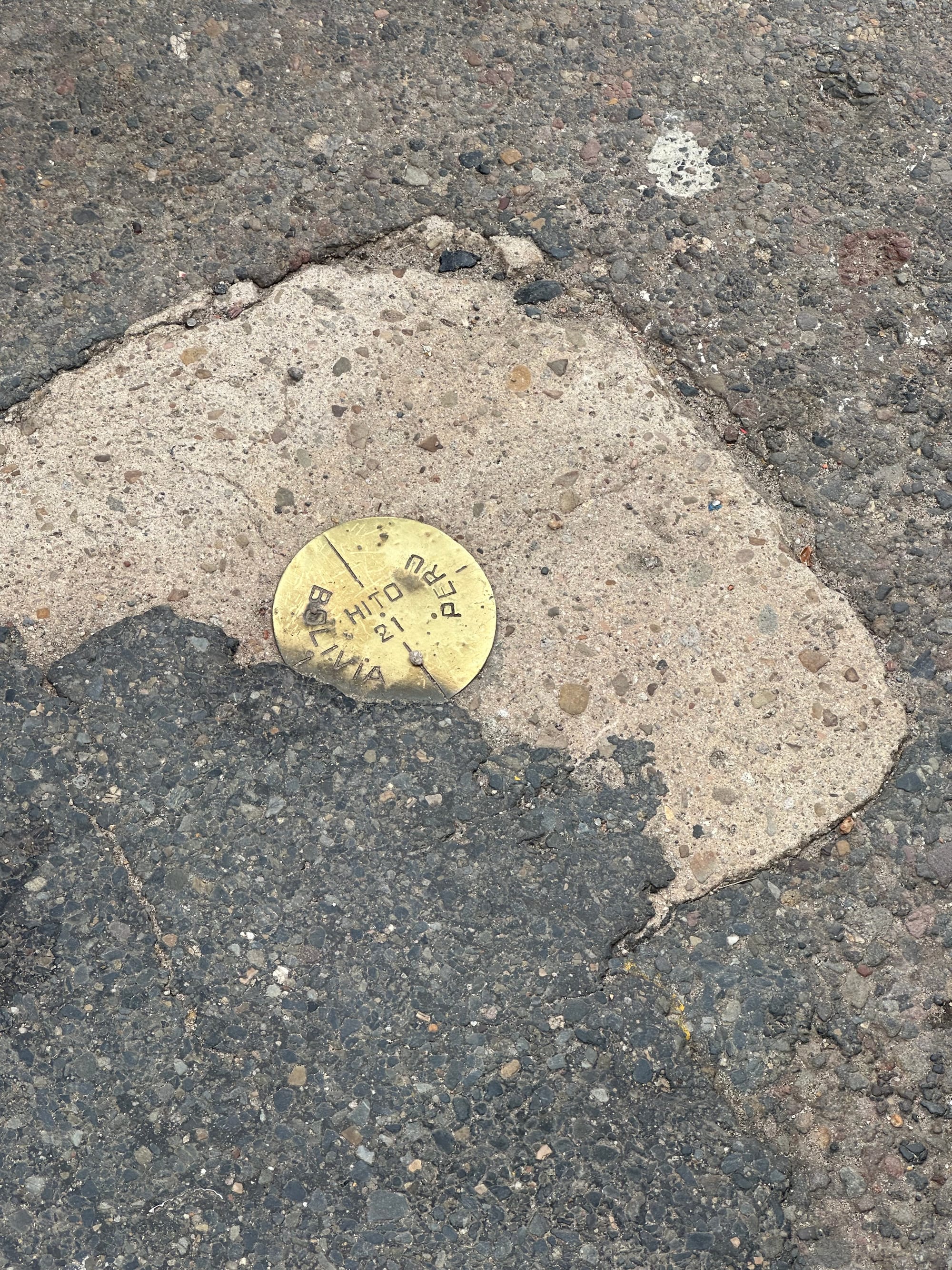
Side note: the signage at this border is not great. You could easily walk through while forgetting to go through immigration or customs on either side. [📸 Johann]
Once in Bolivia, we visited the Isla del Sol (still in Lake Titicaca) for a visit to an Incan sun temple and a nice hike. Then we boarded another bus, and discovered that the Bolivian roads were SIGNIFICANTLY bumpier. We were also in the back, which made our efforts to turn whole avocados into guacamole using our travel cutlery set that much more difficult. At the neck of Lake Titicaca, we disembarked from the bus and crossed via motorboat, while the bus floated across on a barge. A few more hours of bus massages brought us to La Paz and blissful sleep, ignoring the hostel's incredibly creaky wooden floors.
In La Paz, we saw the sights, from the dried llama fetuses of the Witch's Market, to the infamous San Pedro prison. We explored around the city on the public gondola system - easily the strangest form of public transit we've encountered so far. Disembarking briefly, we walked down a bustling market street, one side lined with traditional dress shops in a fantasy of colours and textures.
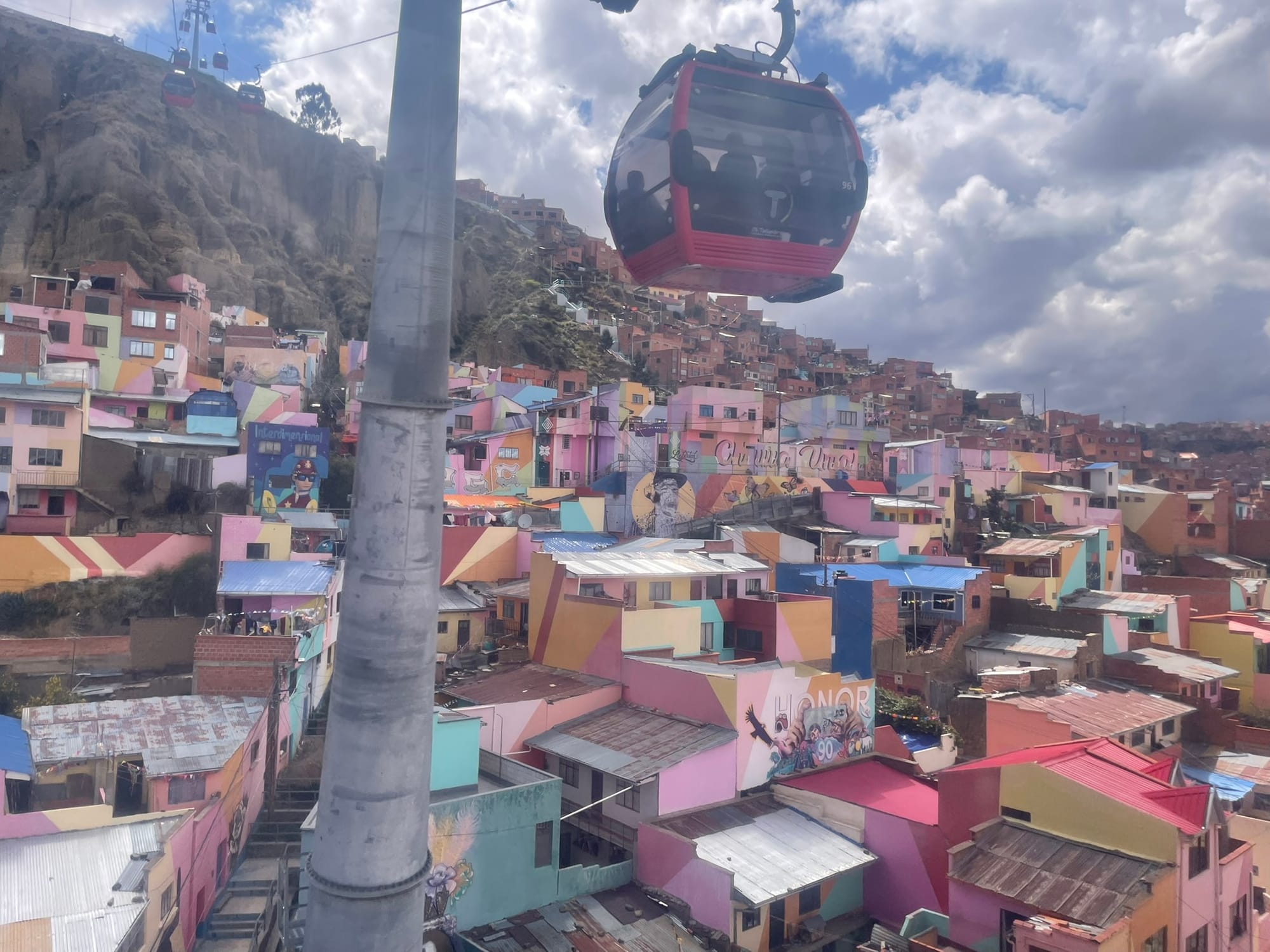
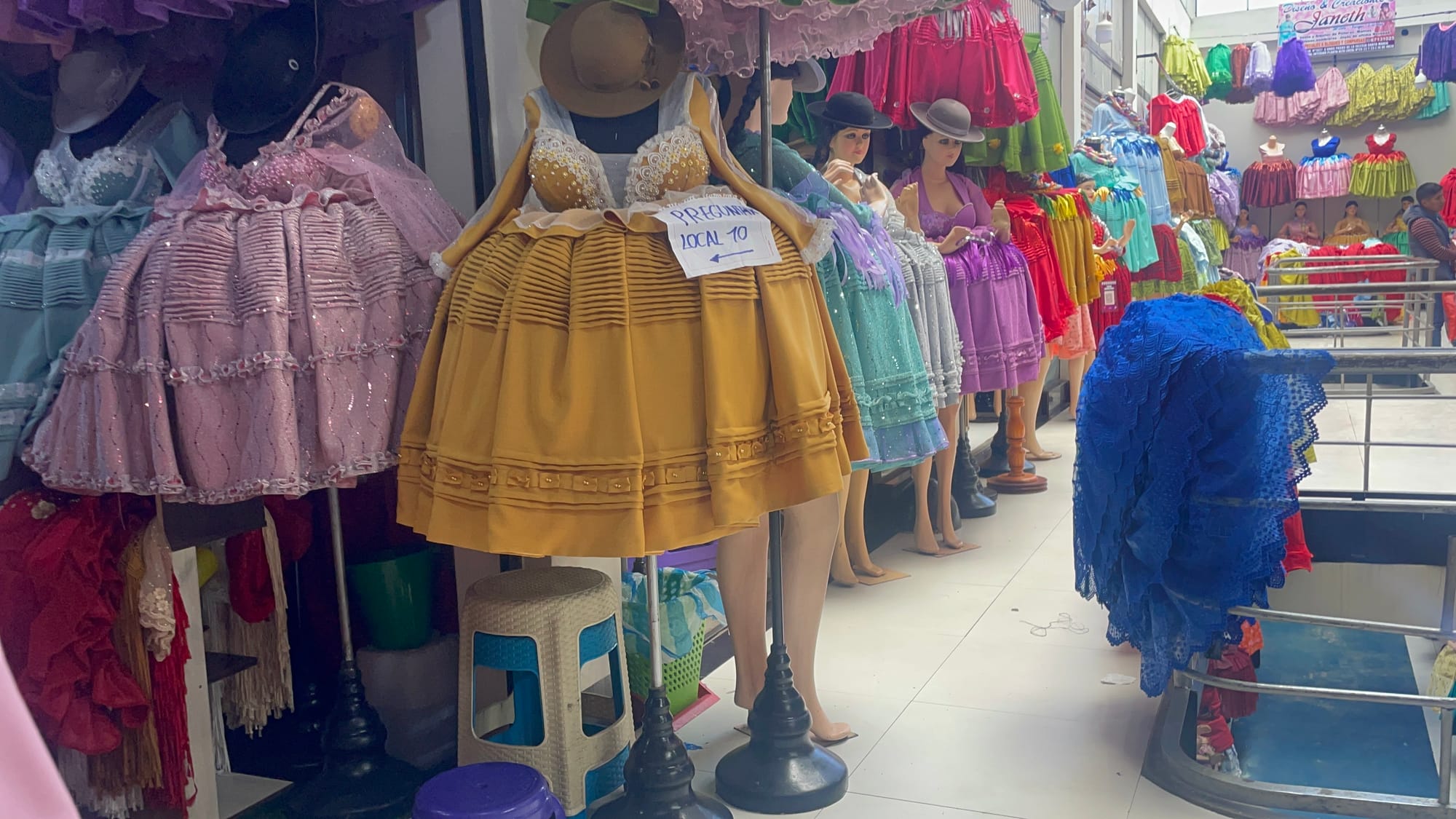
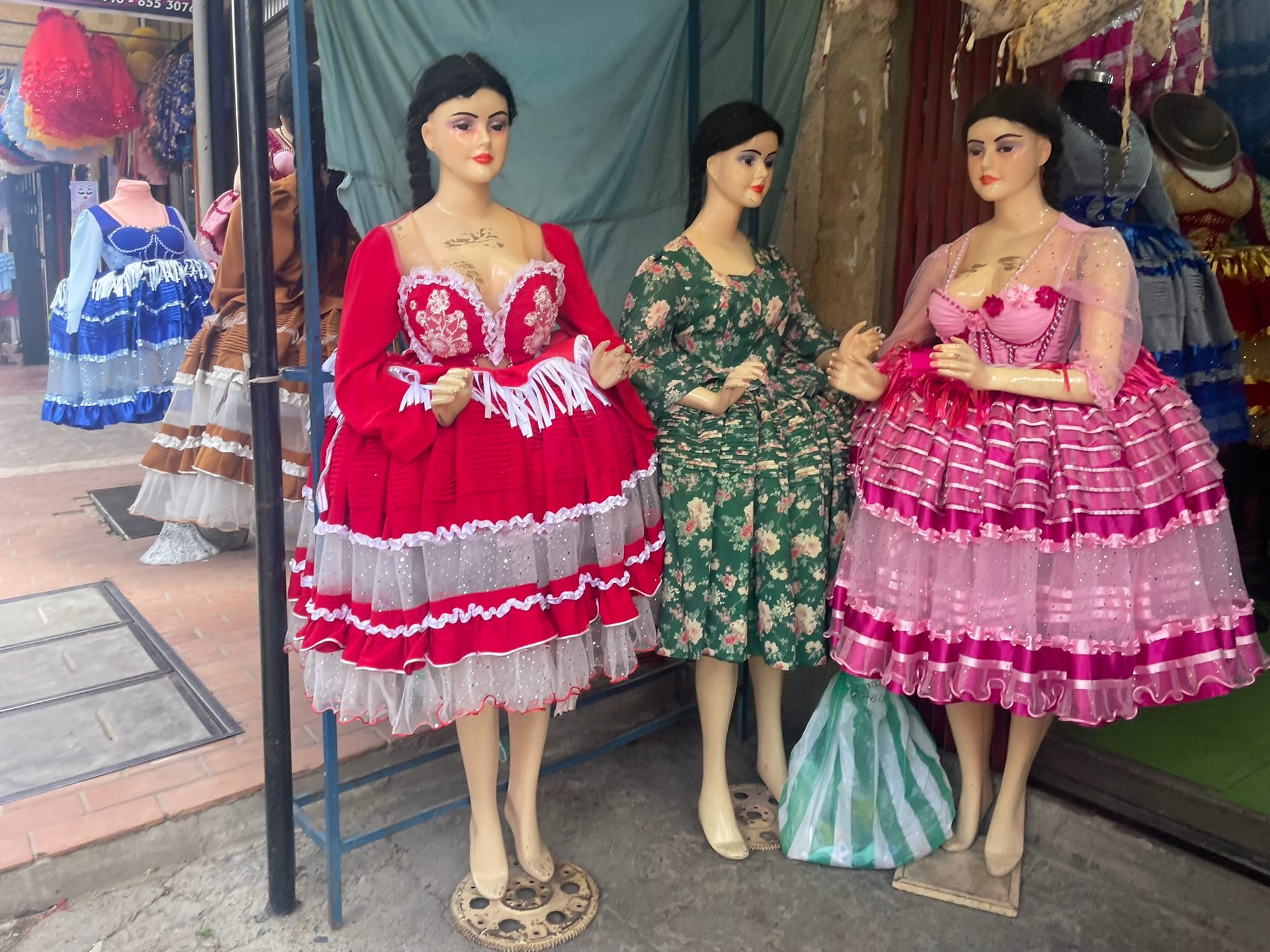
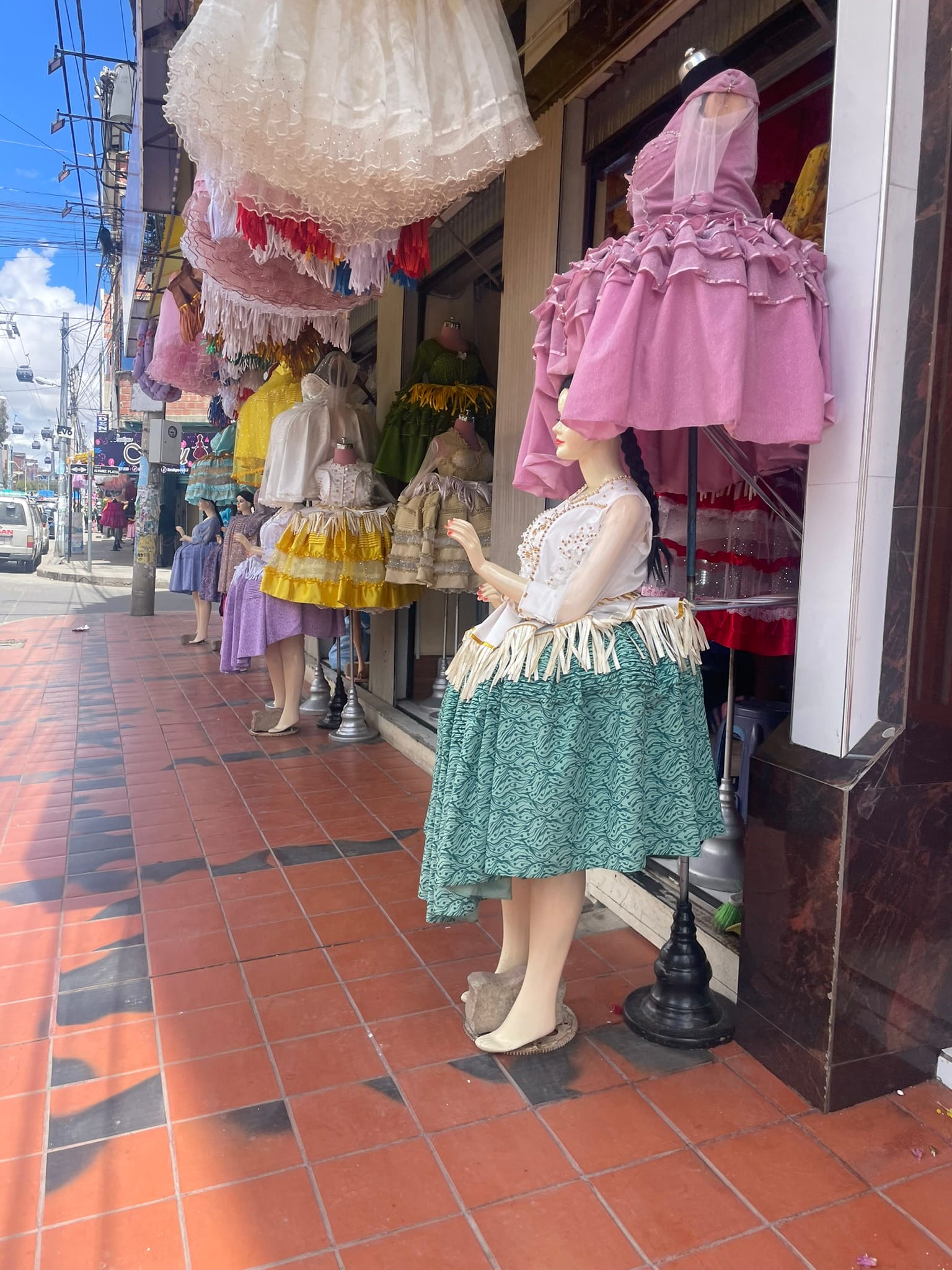
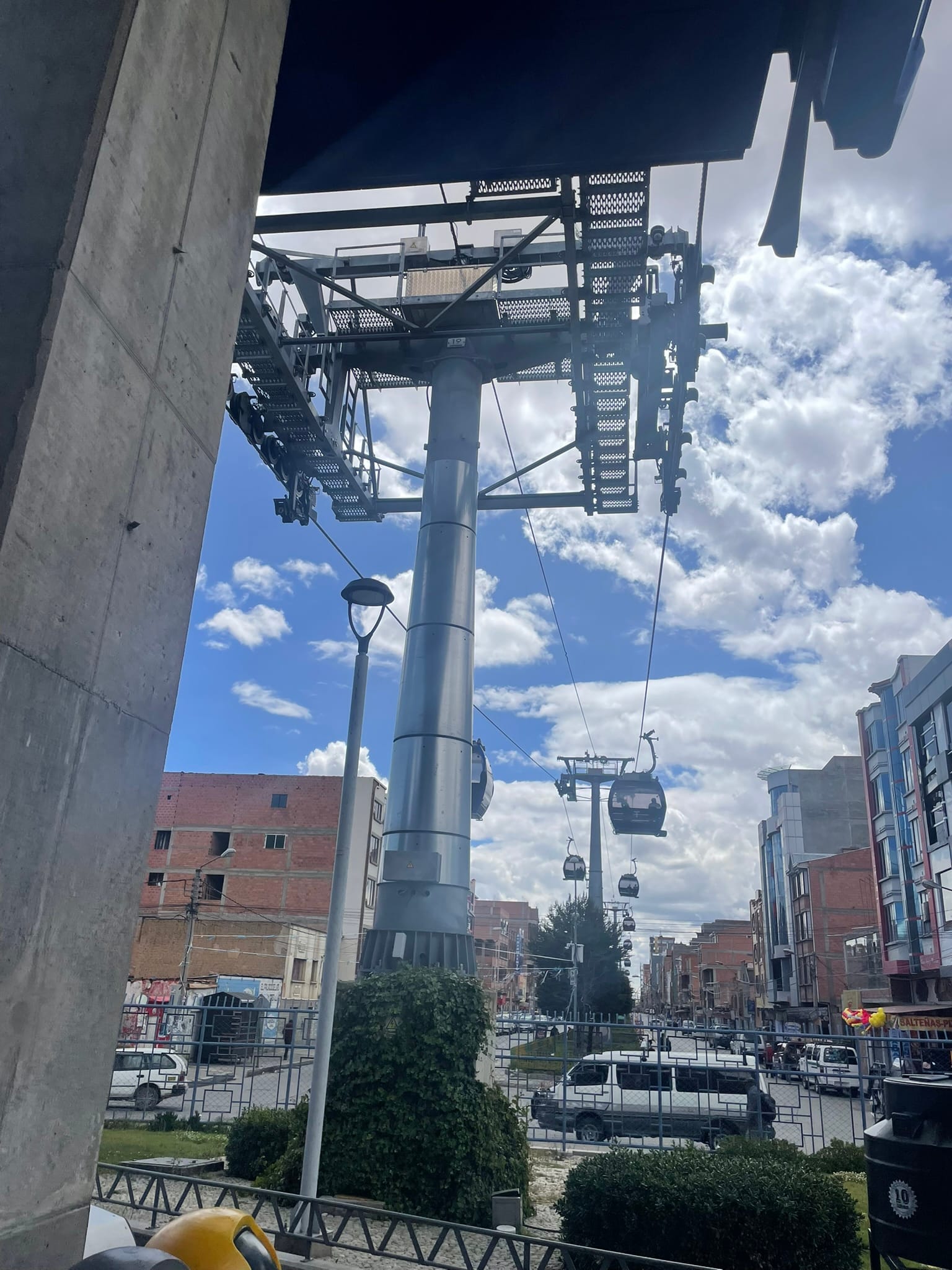
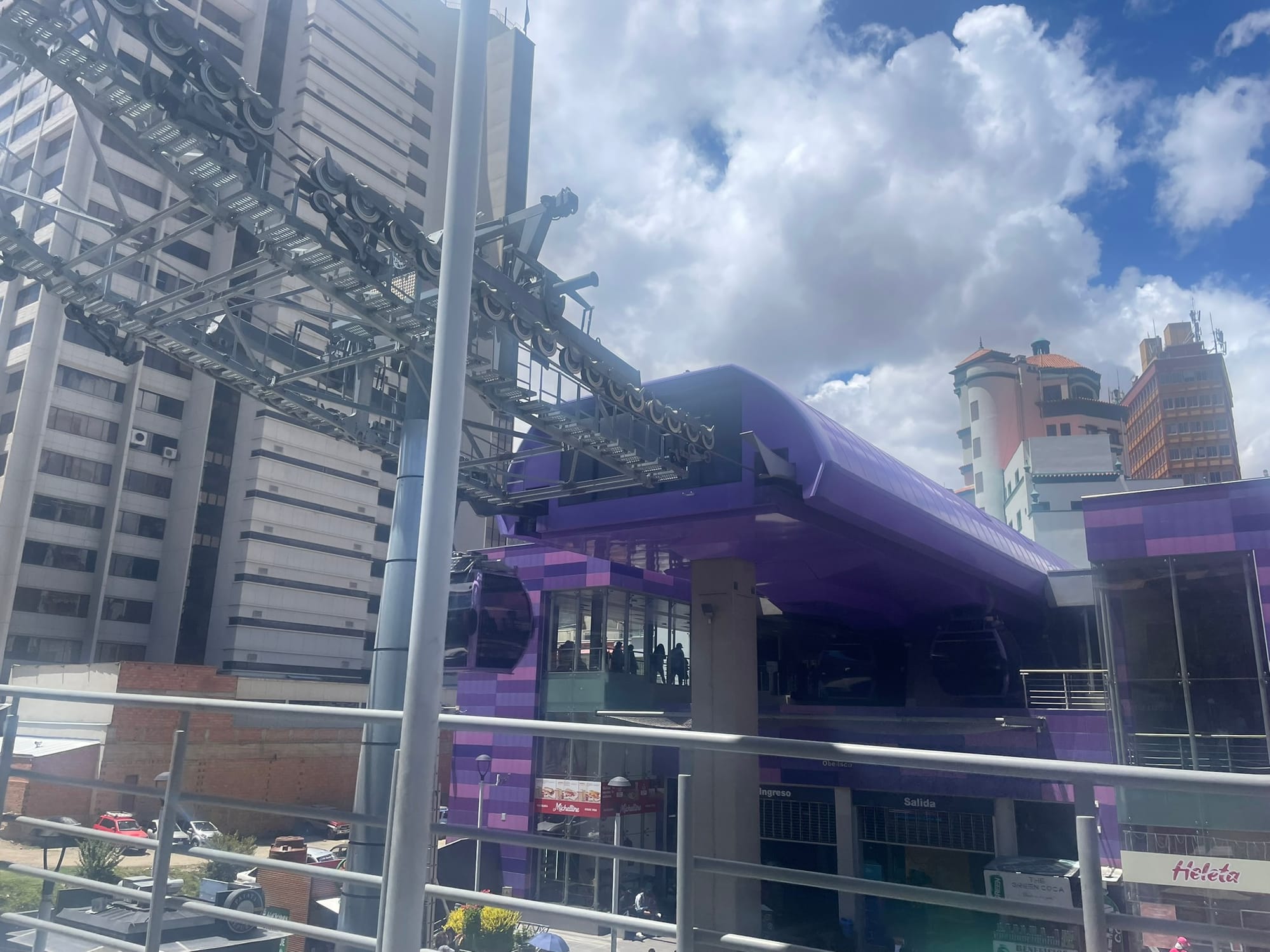
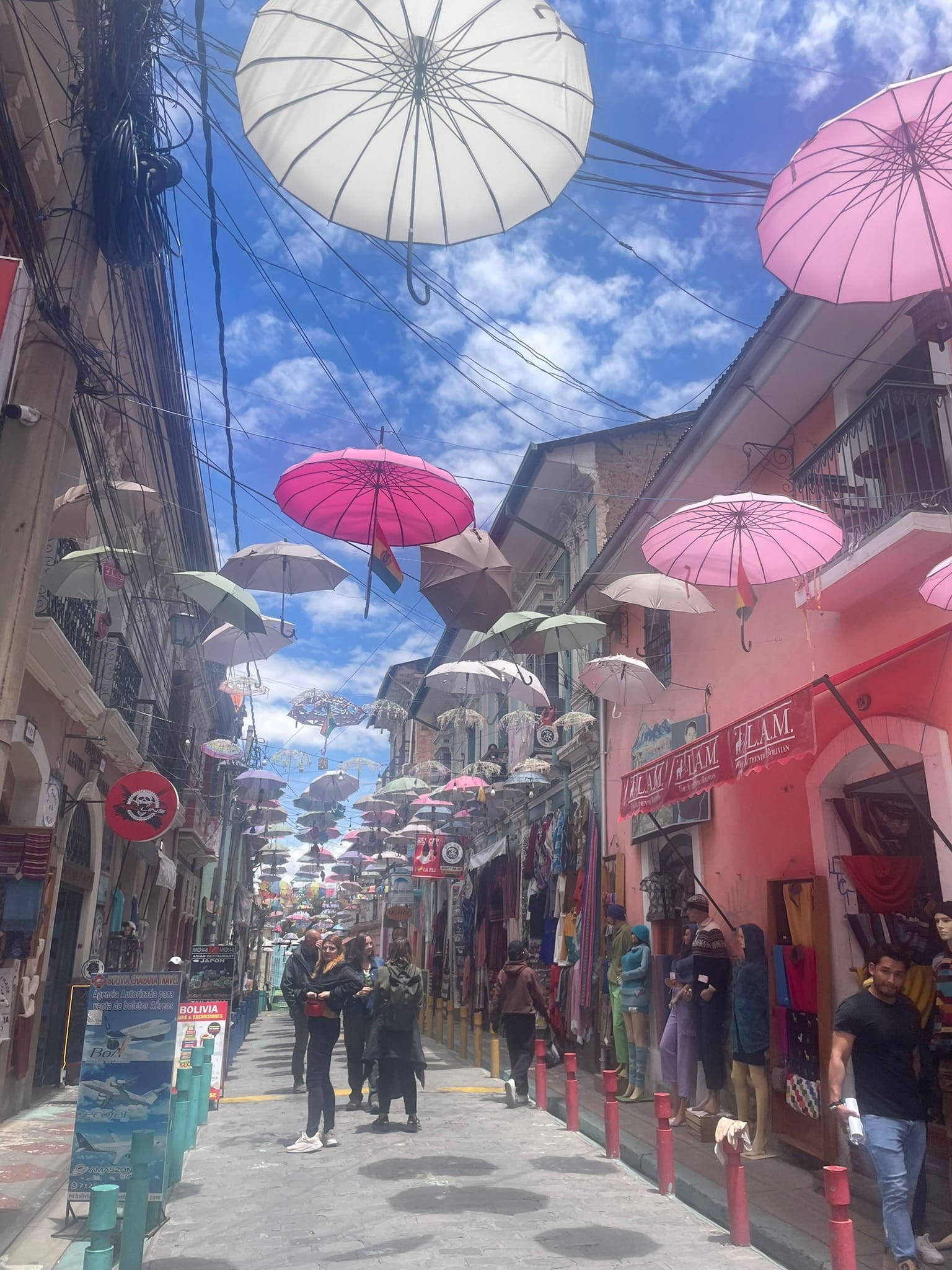
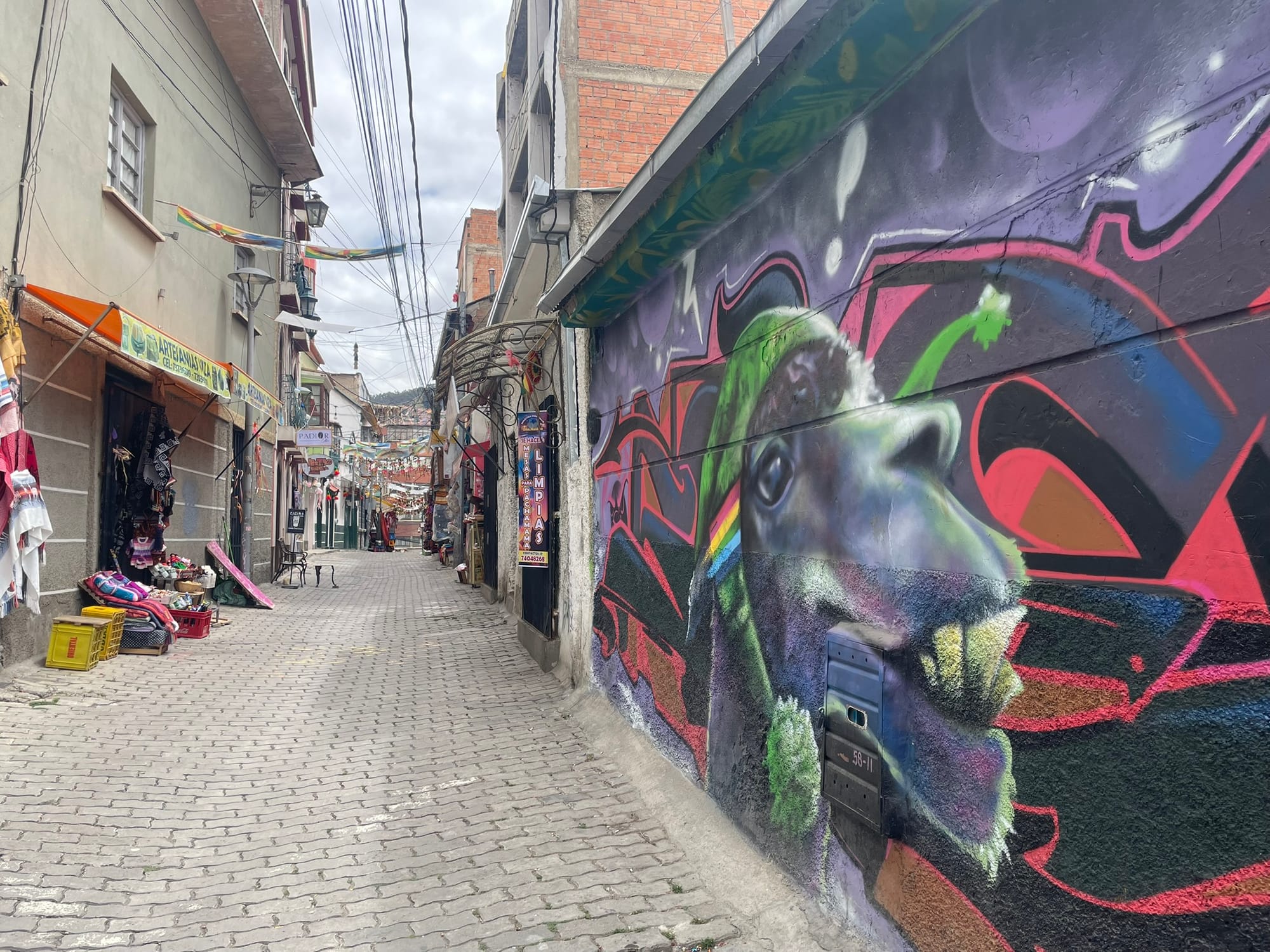
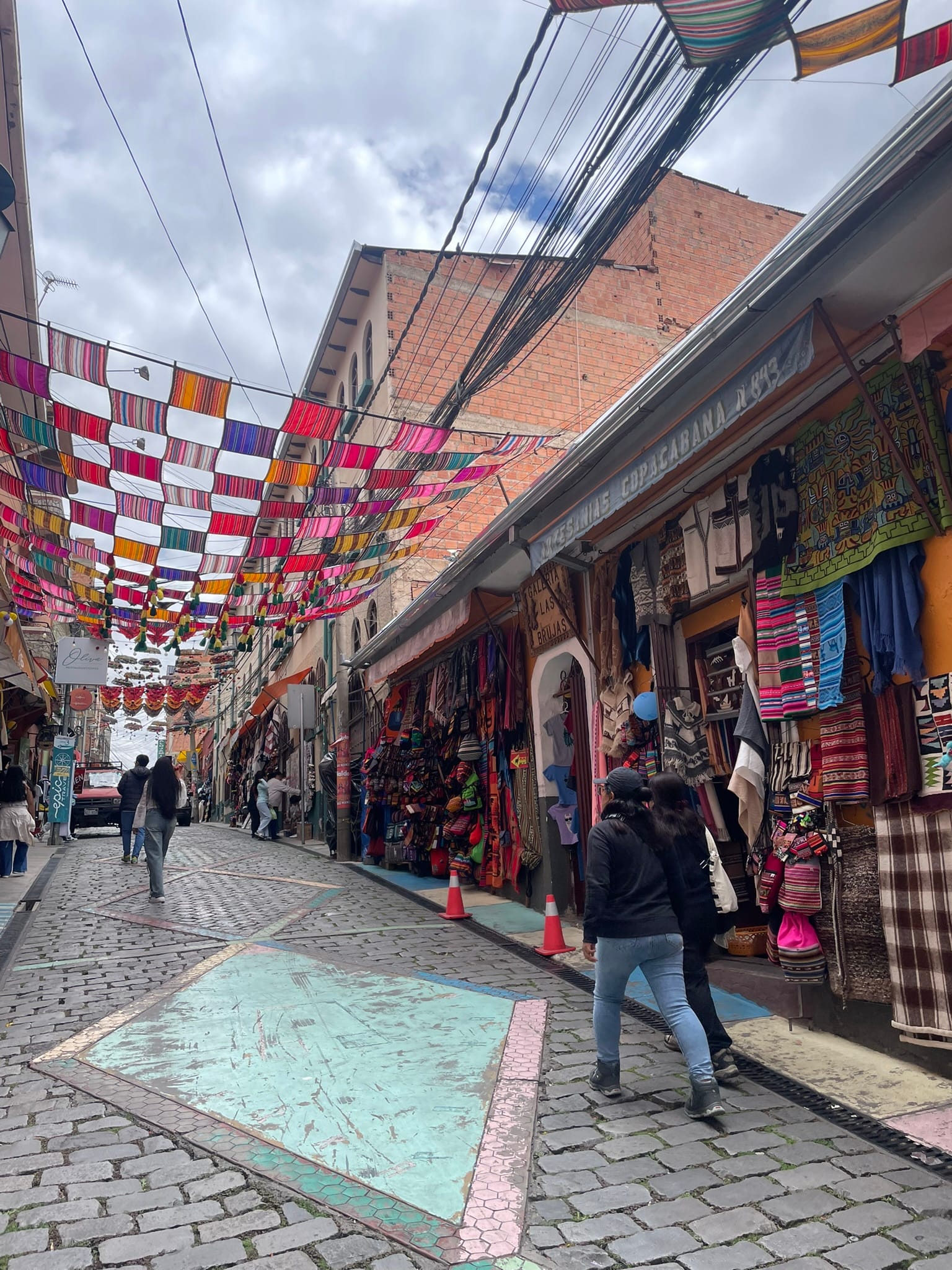
Did we mention that La Paz is at a really high elevation? Walking on a flat sidewalk felt like a mountain trek. [📸 Rachel]
Before dinner we went to a cholitas wrestling show, where indigenous women in traditional dress perform incredible gymnastics in simulated fights with clear narratives of good and evil. The announcer’s voice boomed over the loudspeaker, and people whirred their noisemakers, the sound sometimes deafening.
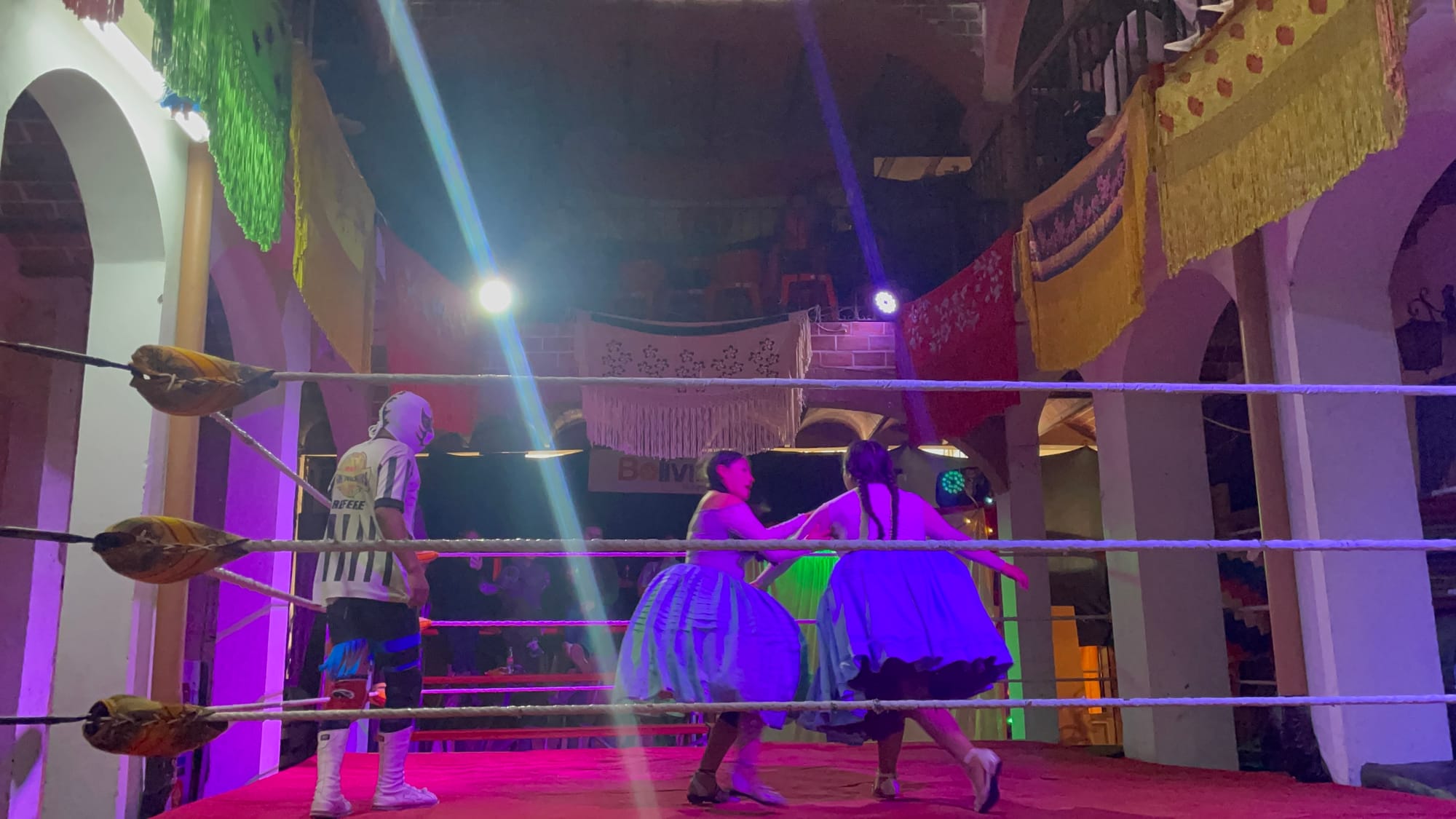
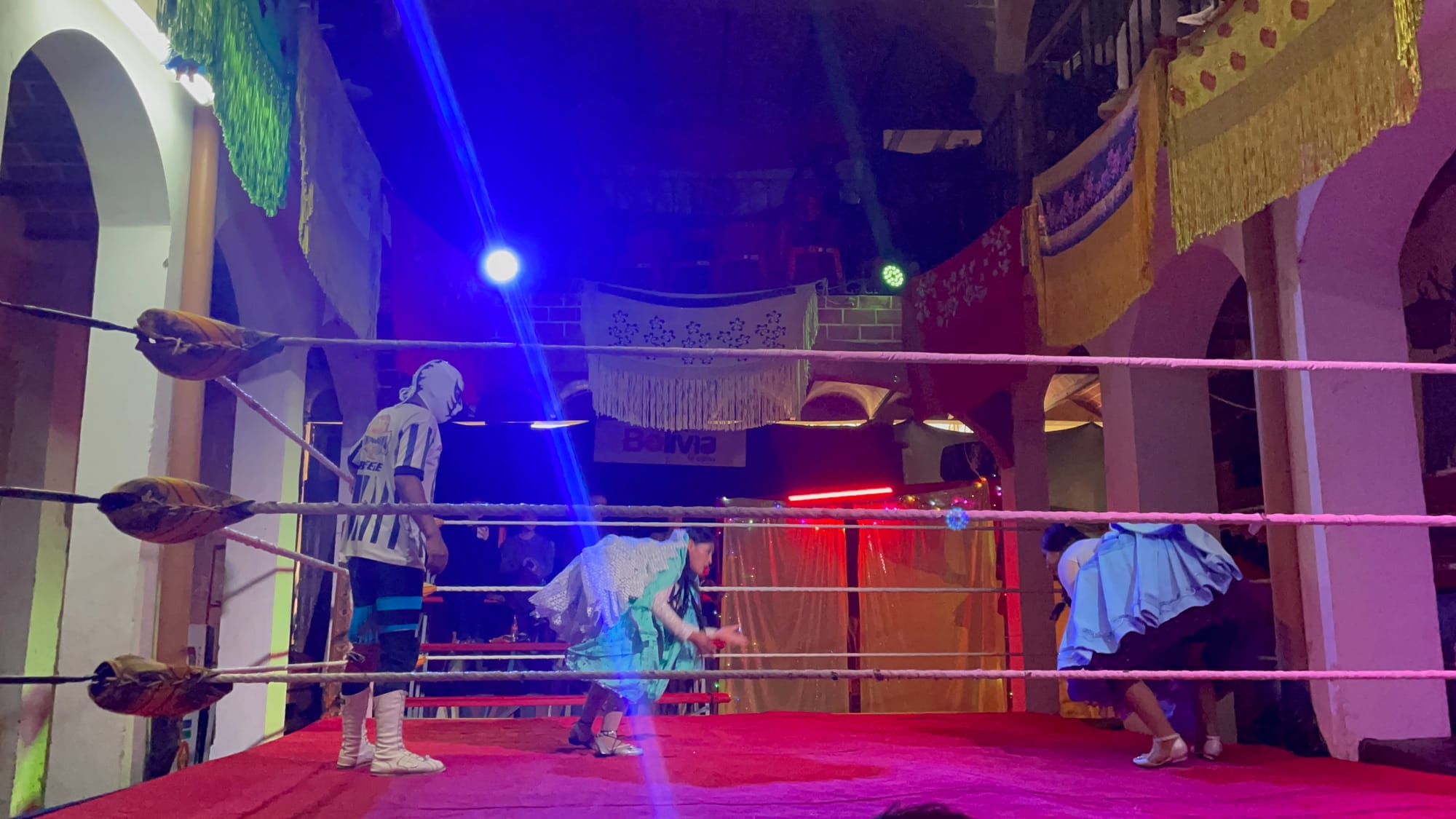
Honestly, this was a masterclass in stage fighting. [📸 Rachel]
We caught a night bus to Uyuni and did not sleep. From there, we began a three day tour through the Bolivian highlands down to the Chilean border.
But that's a story for next time! Stay salty!