Türkiye
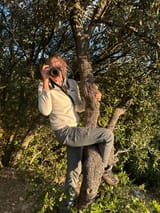
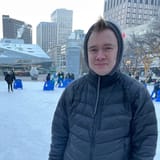
Türkiye, land of culinary marvels, ancient history, and spectacular landscapes, we will be back!
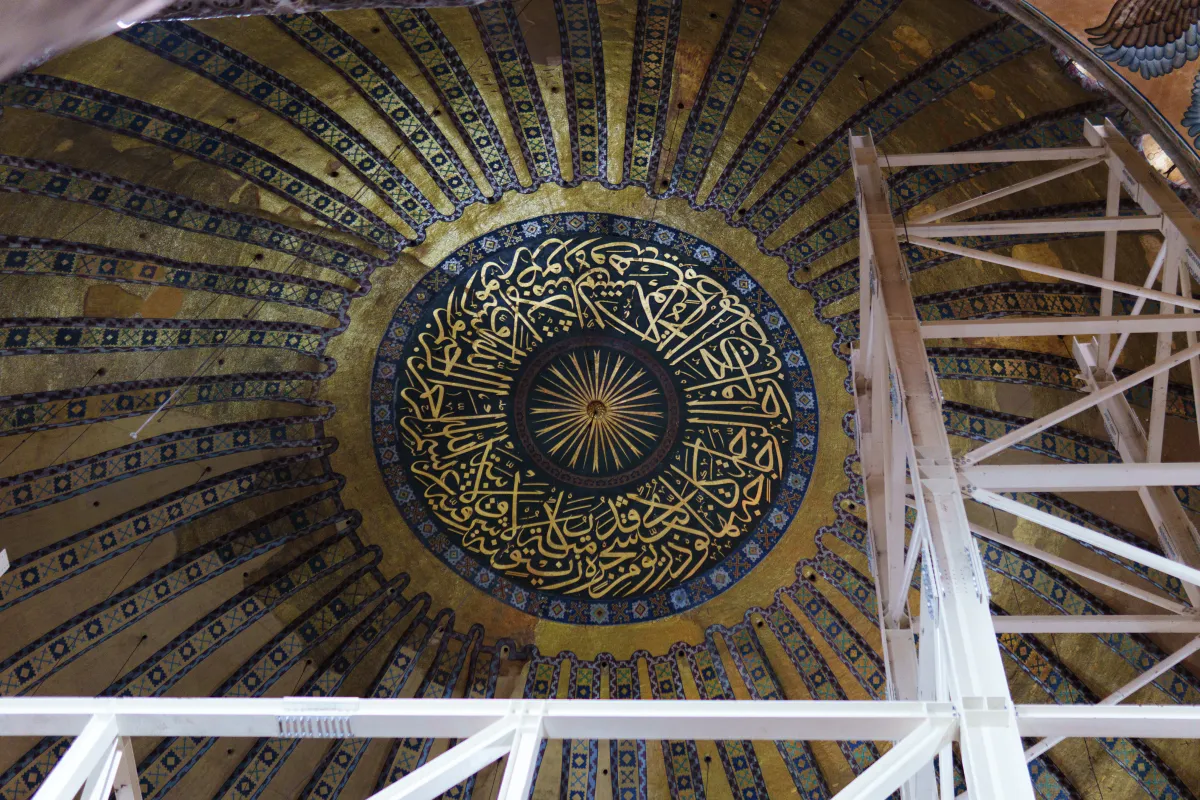
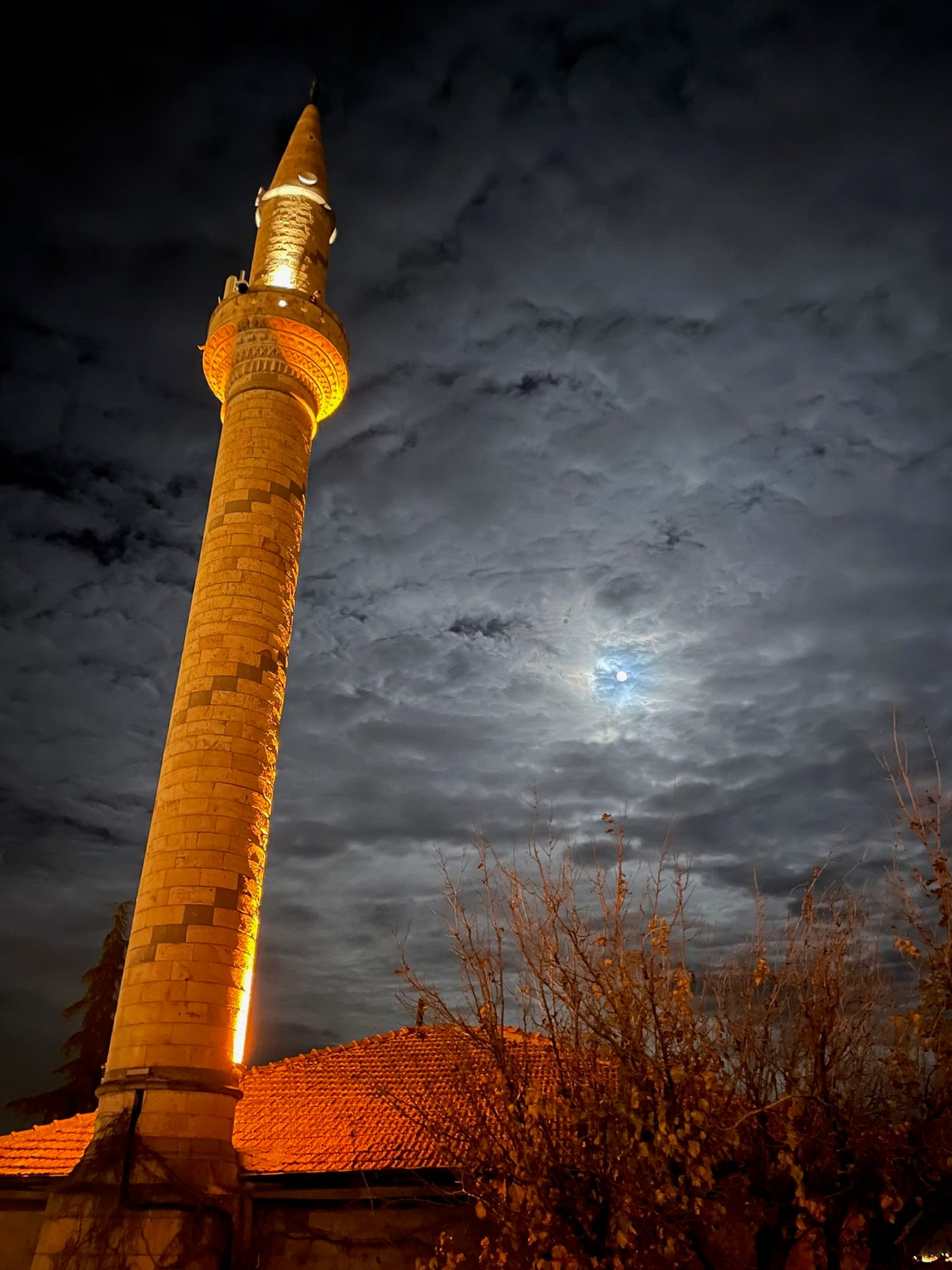
Swept by sea winds, Istanbul is one of the most beautiful cities we have ever visited, its skyline crowned with countless minarets. The Blue Mosque, with its ornate glazed tiling, sat nearby the 1500-year old Hagia Sofia, a church turned mosque, then museum, and recently converted into a mosque once more. The coexistence of its huge painted seraphim and early Christian mosaics with gorgeous Arabic calligraphy speaks to the complexity of preserving all parts of its many-layered history.
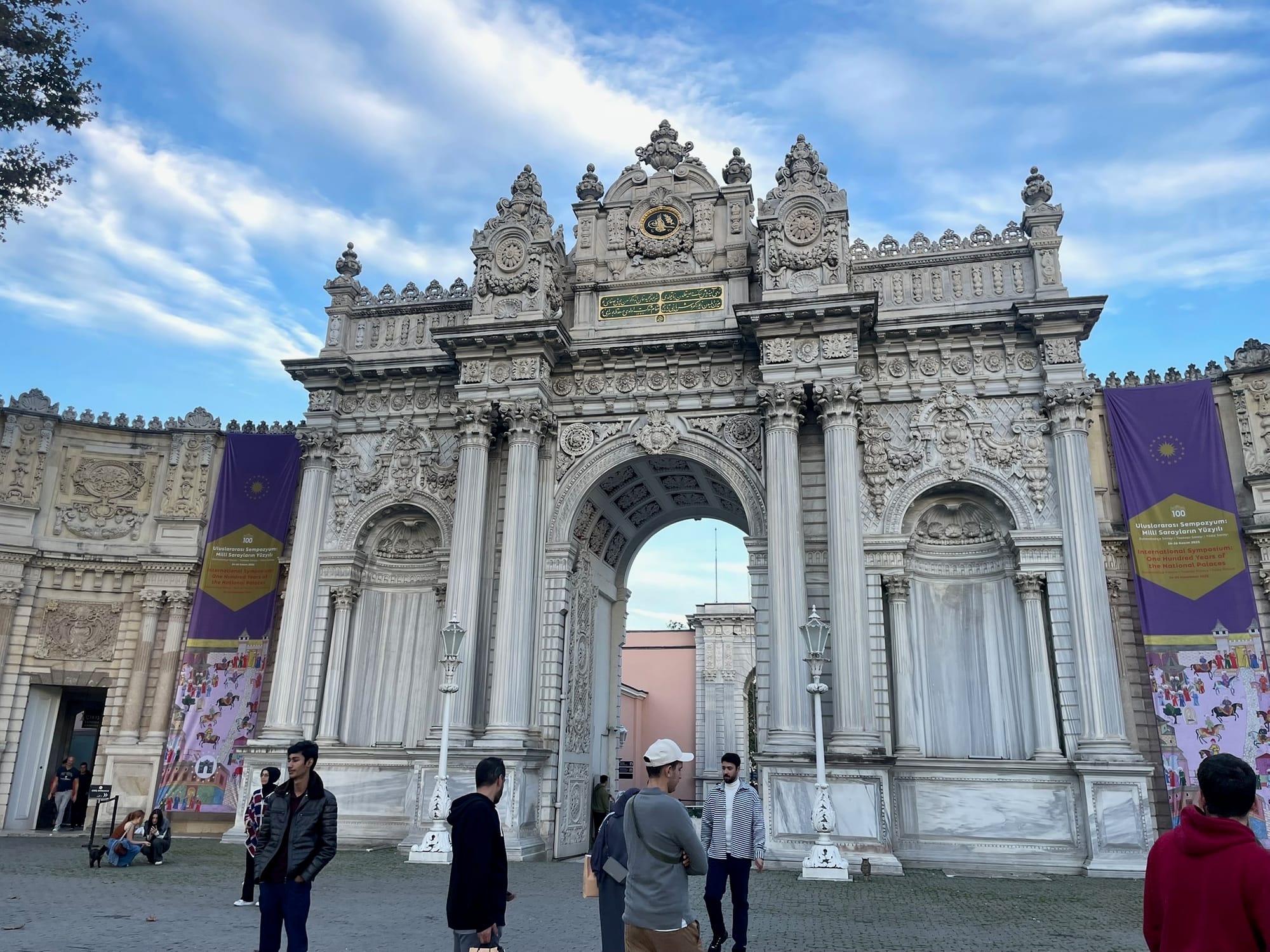
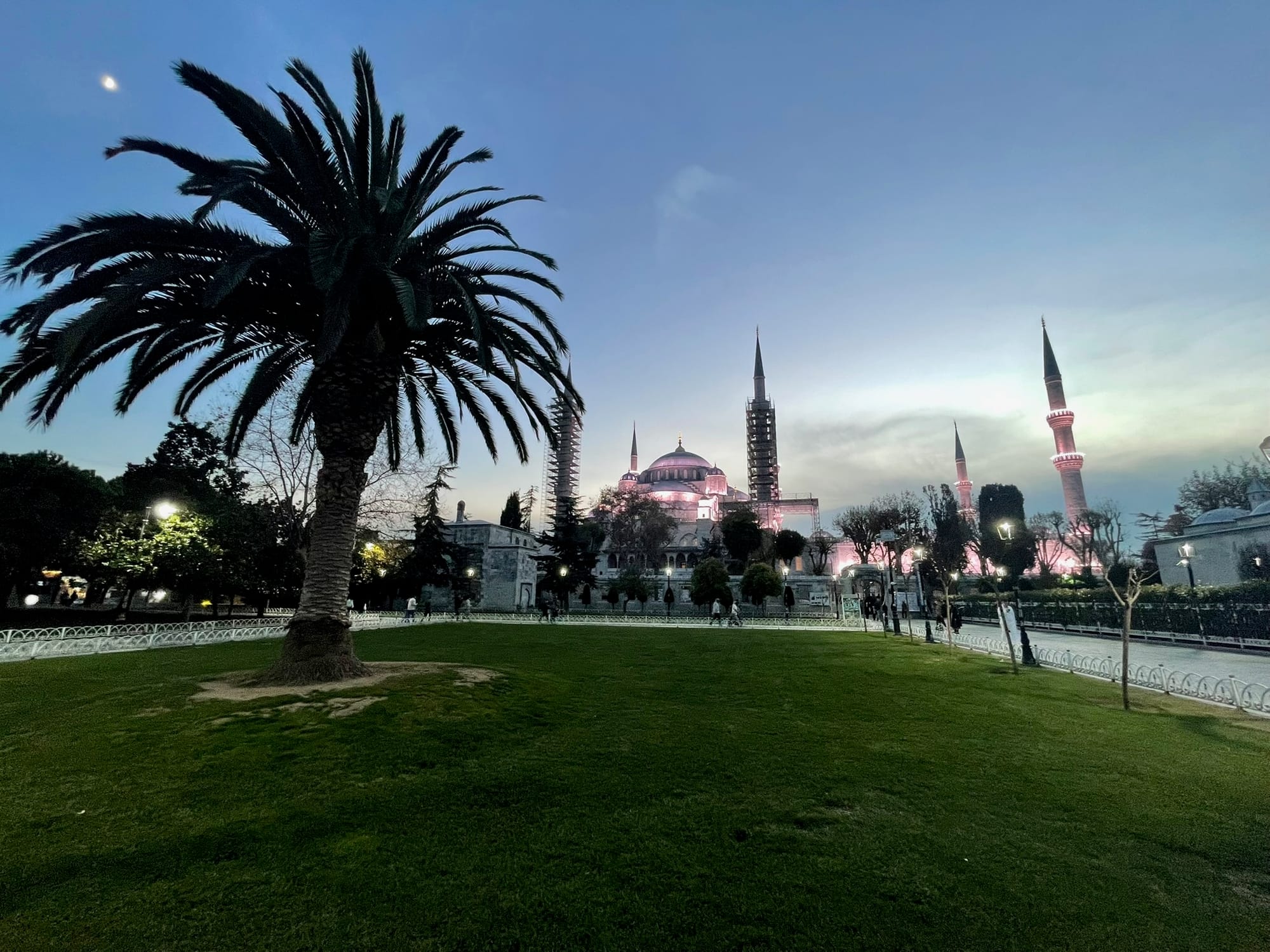
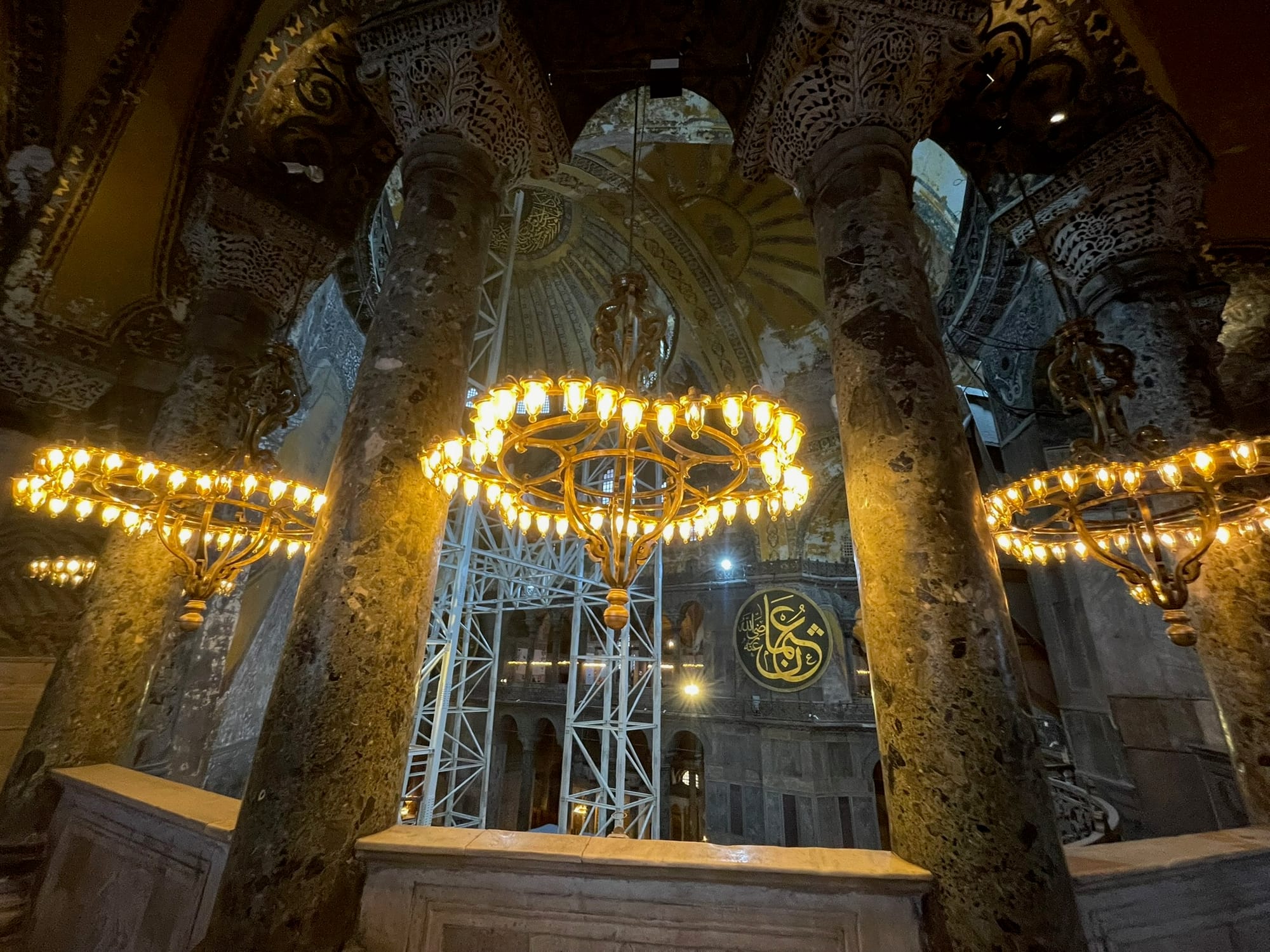
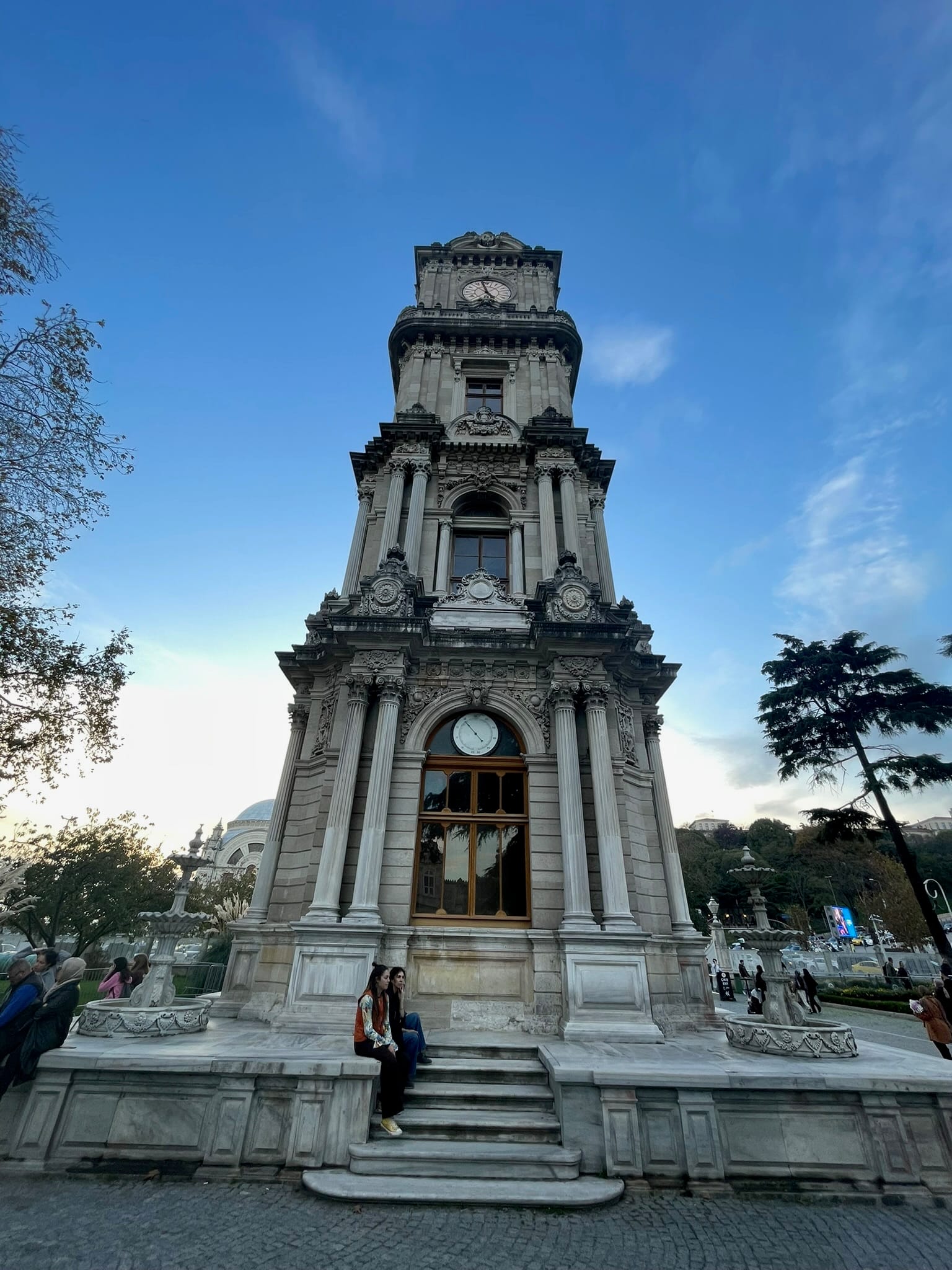
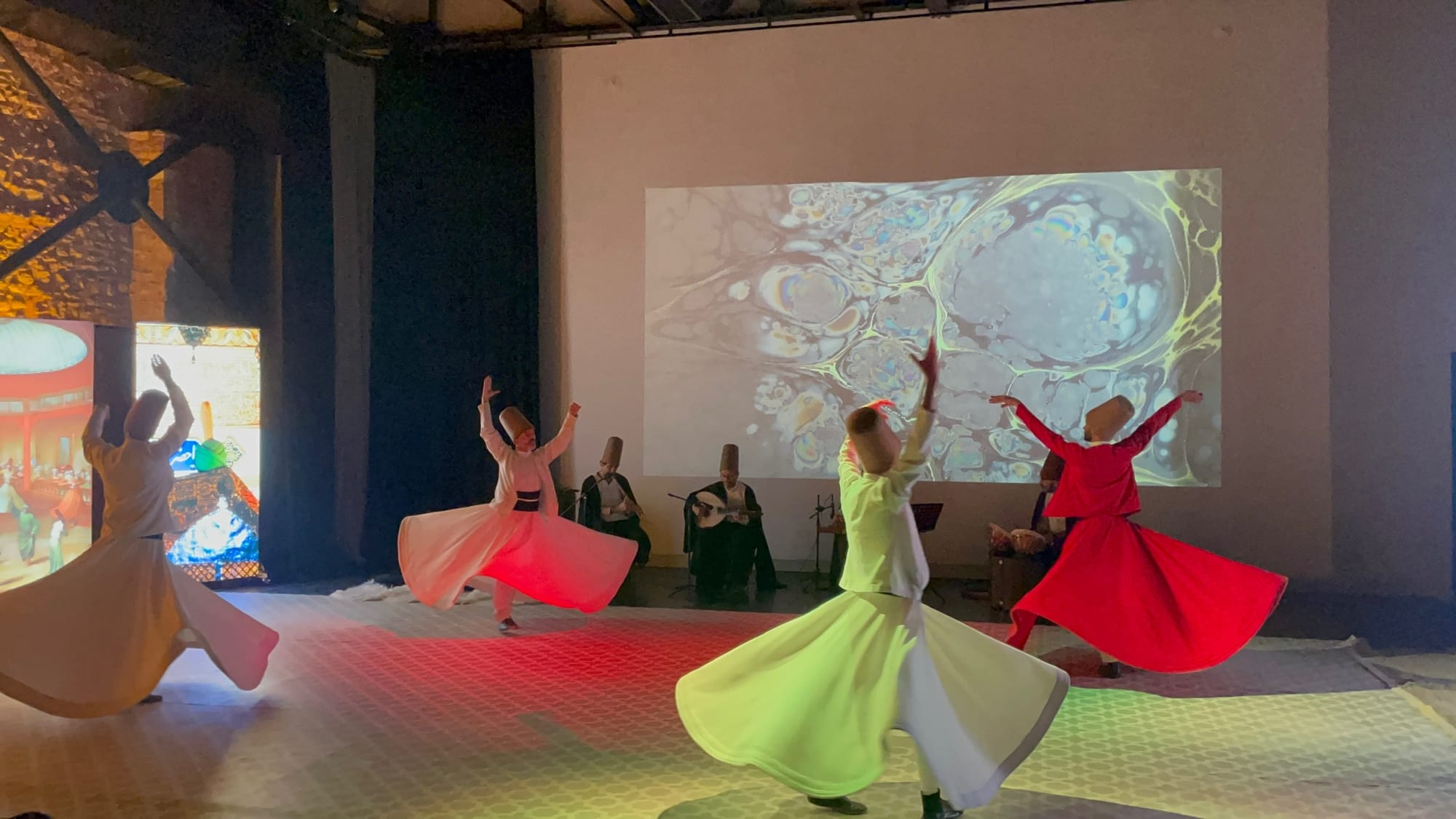
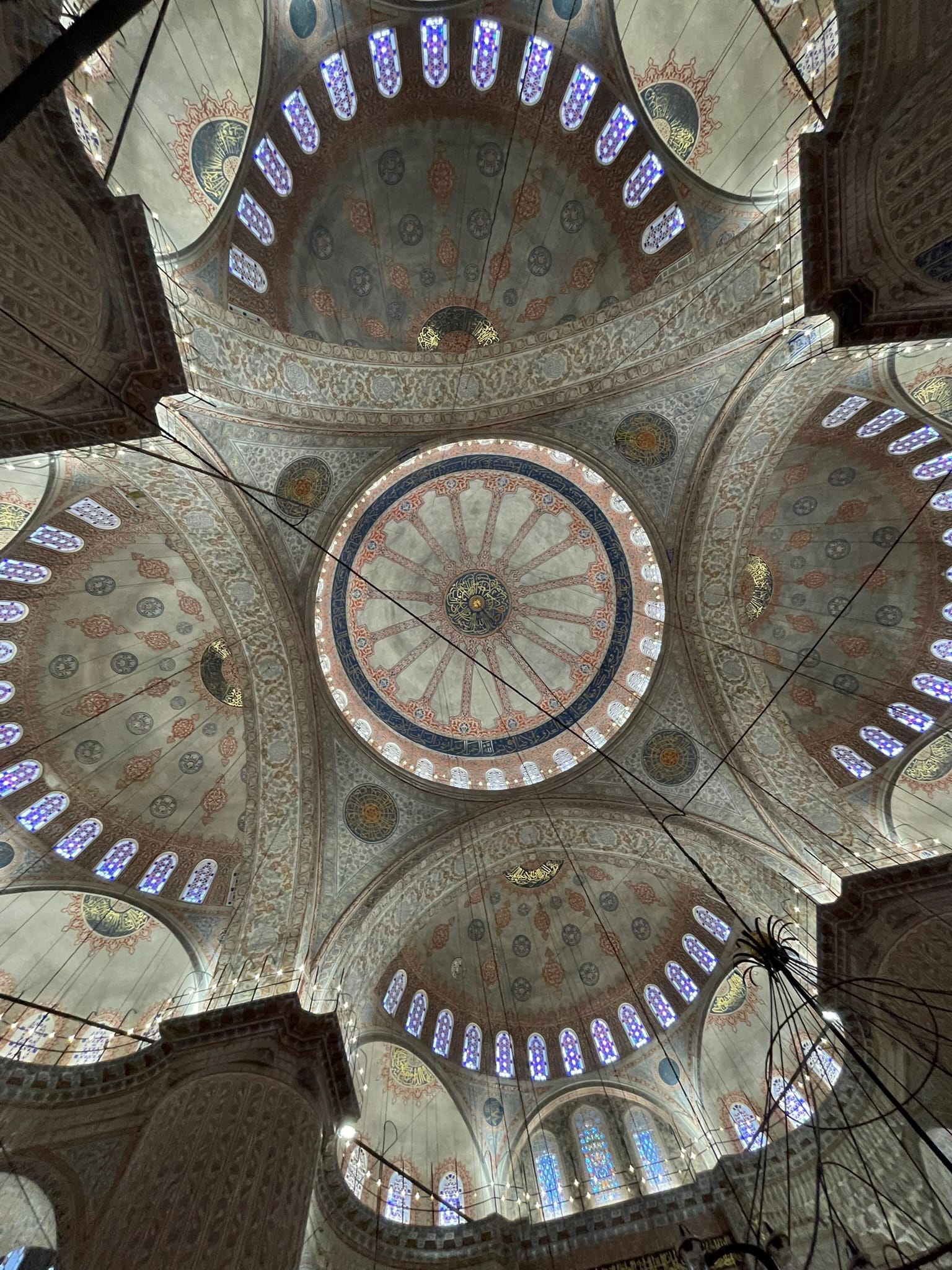
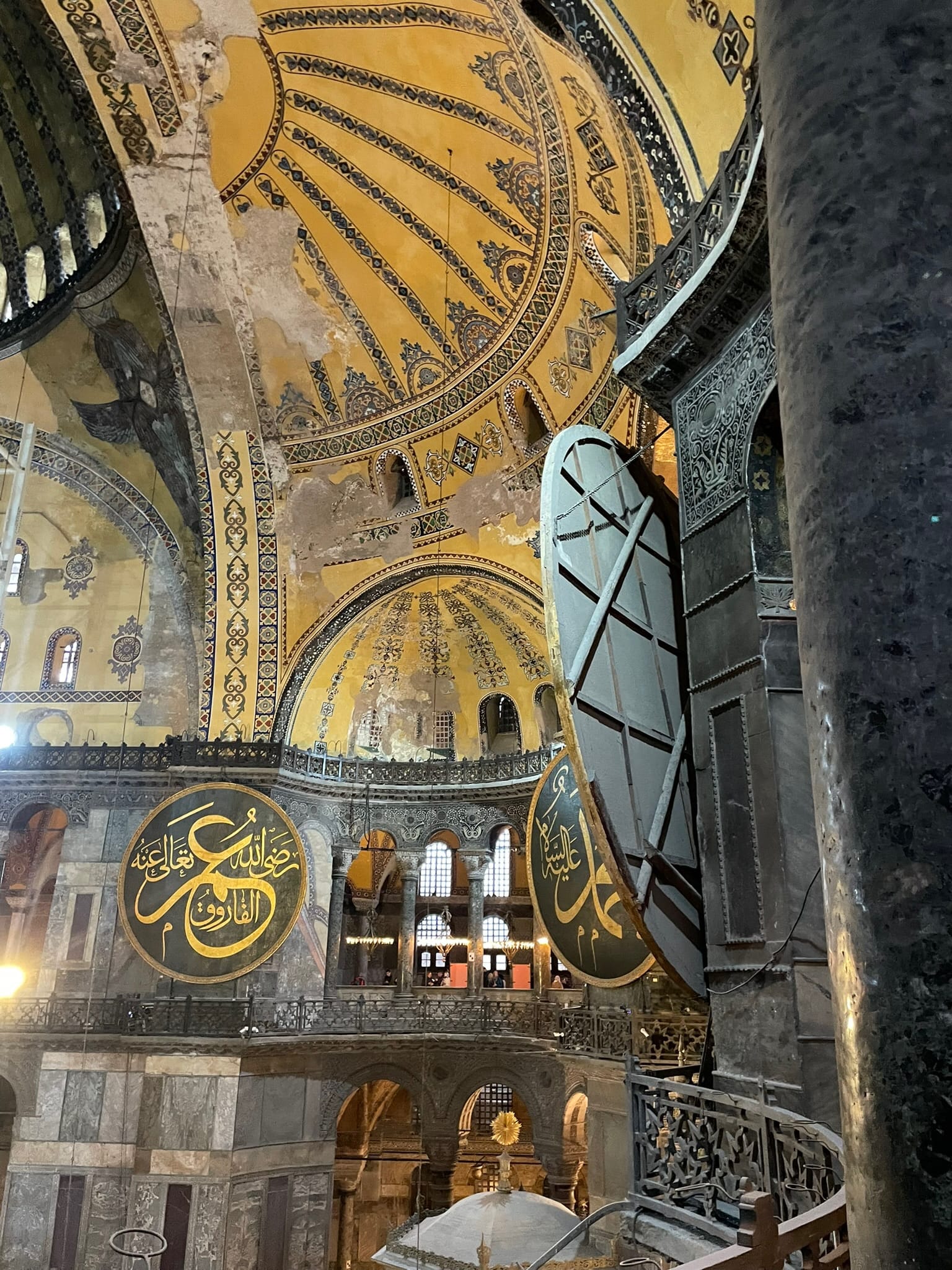
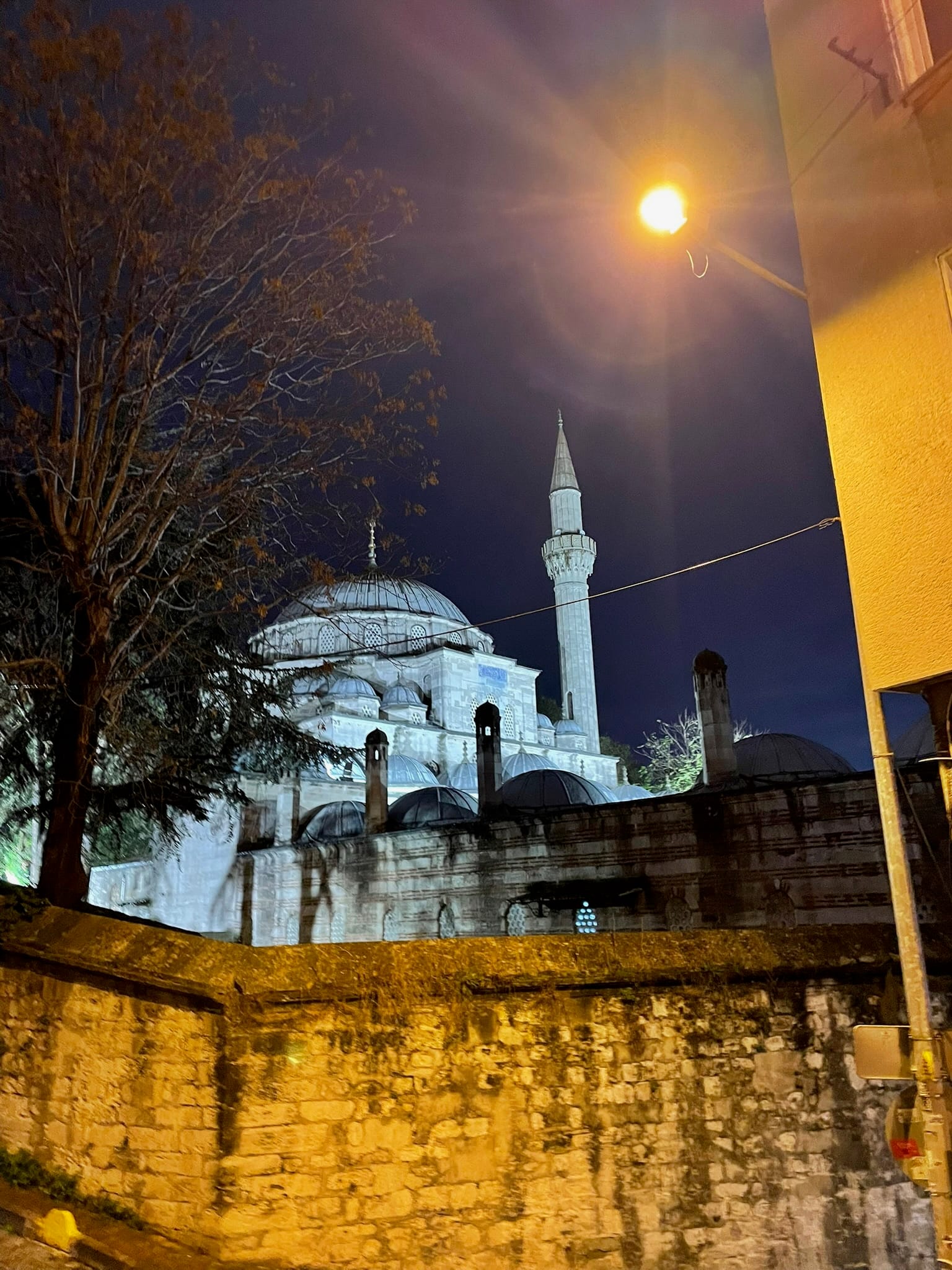
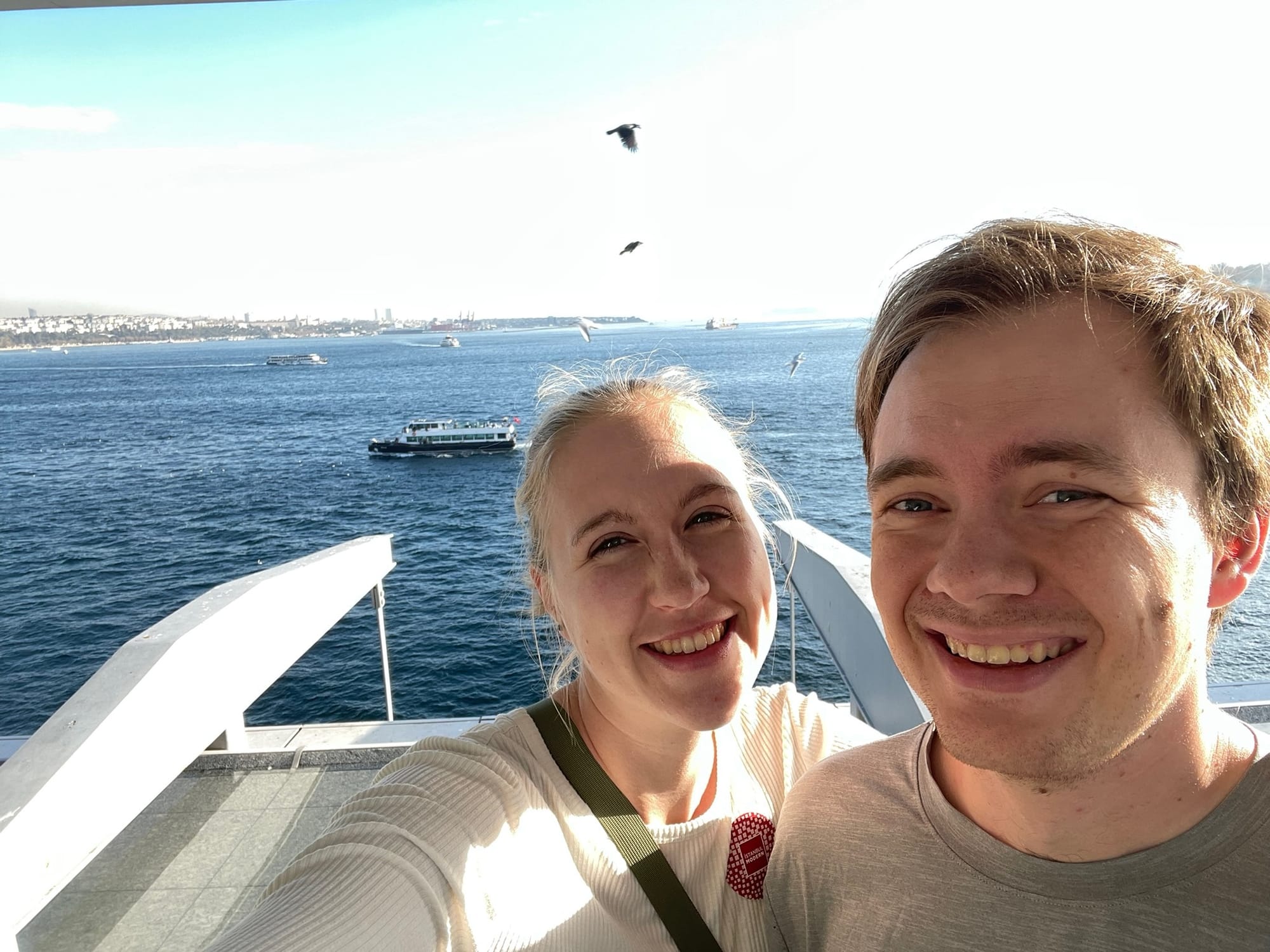
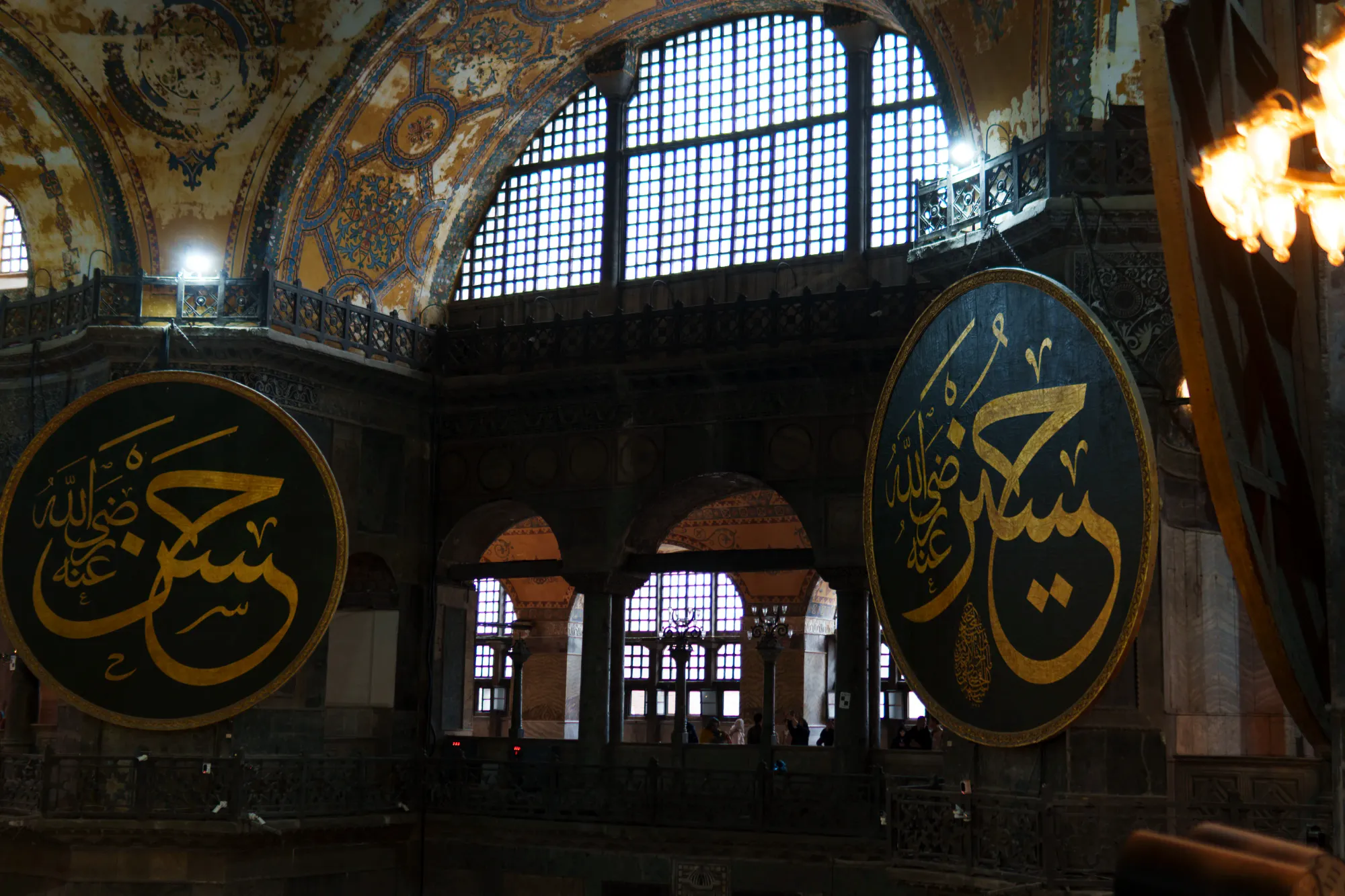
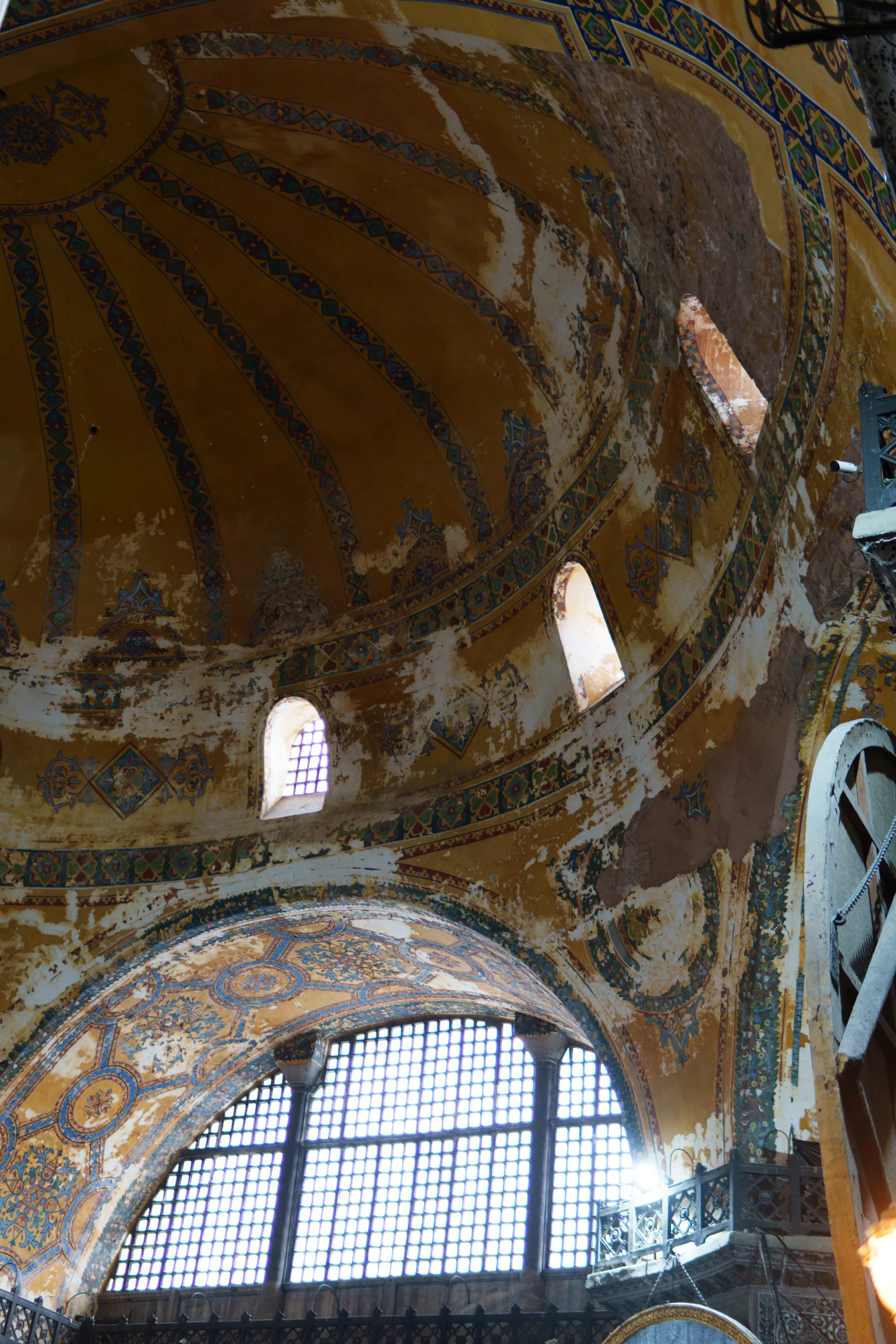
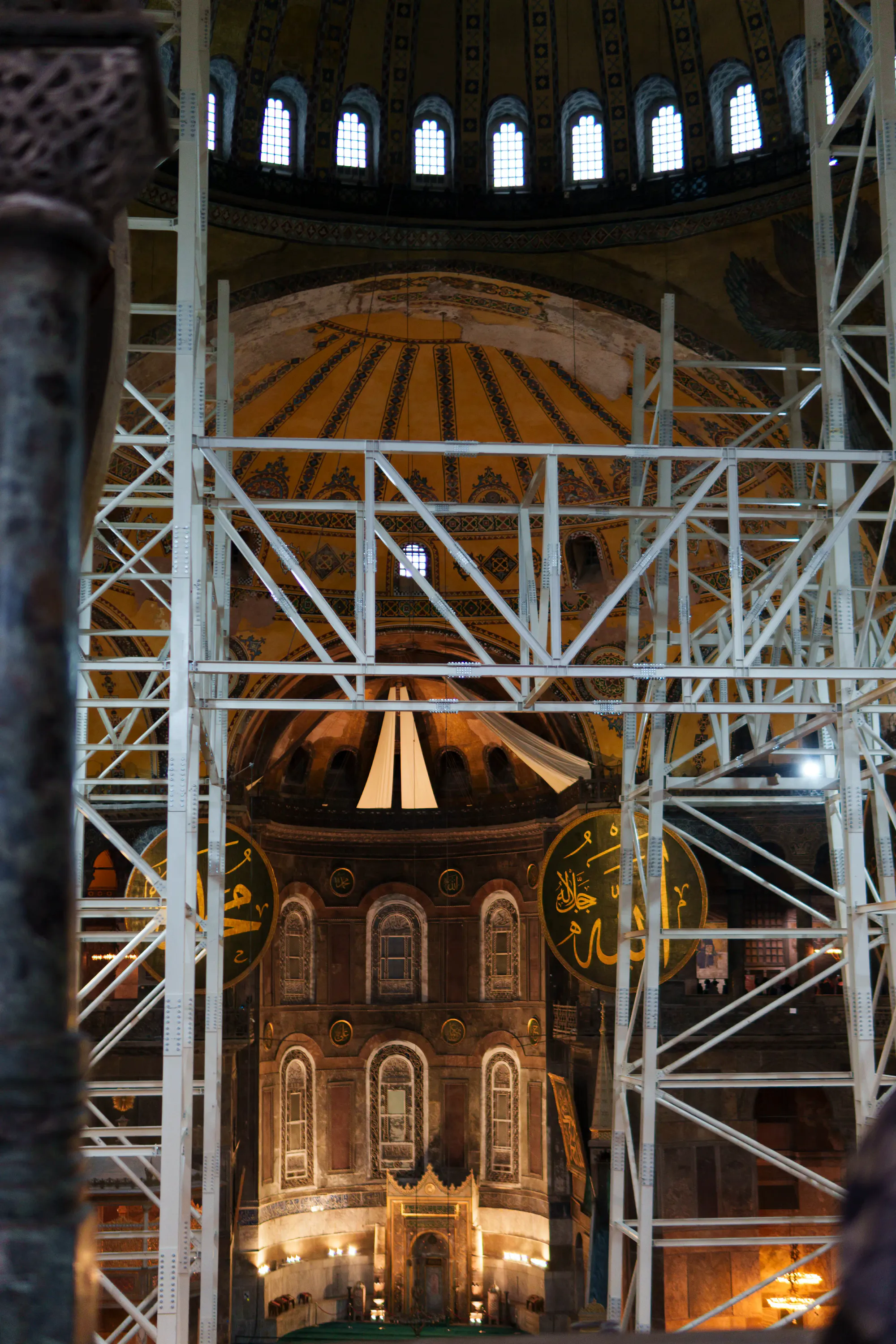
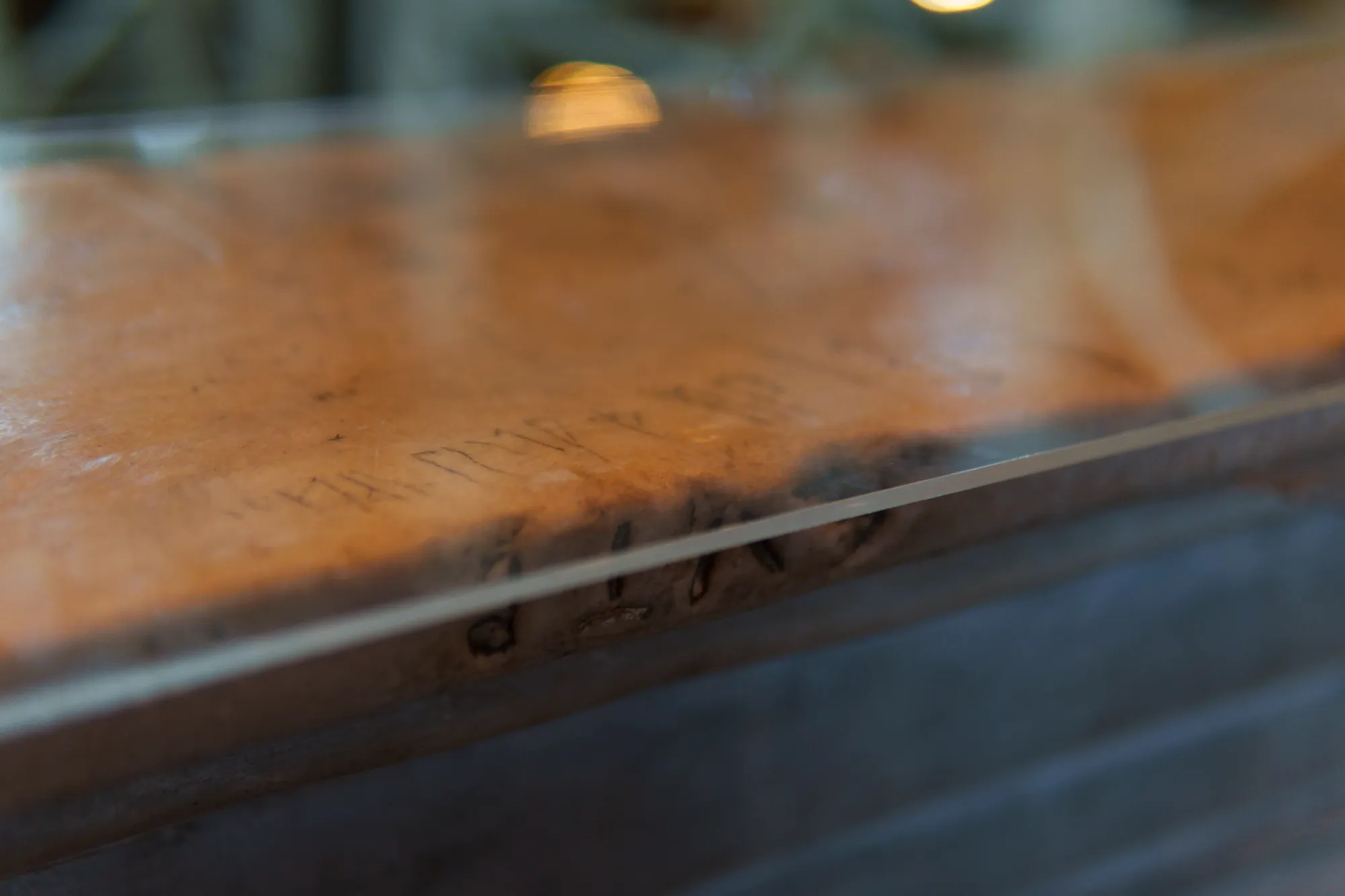
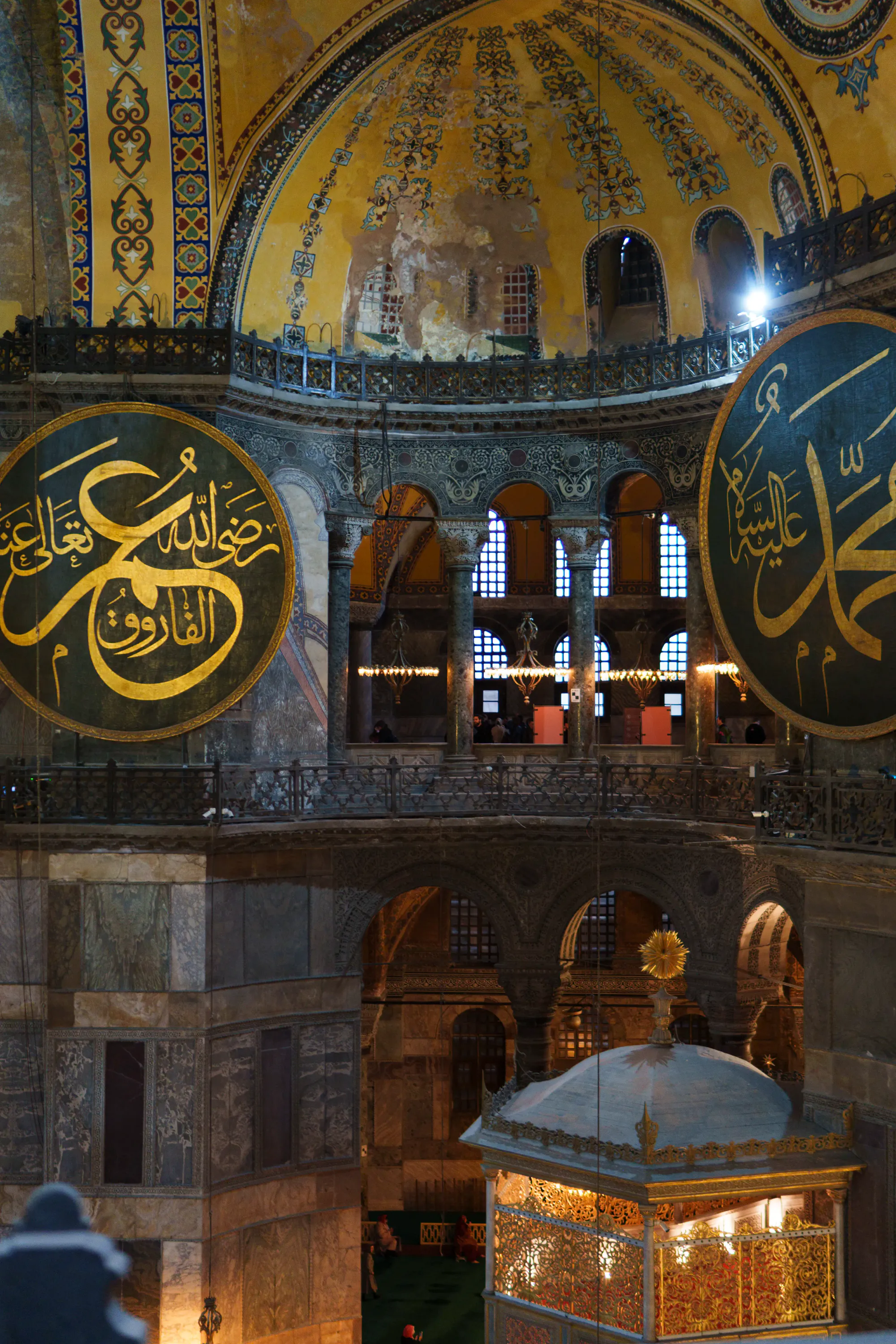
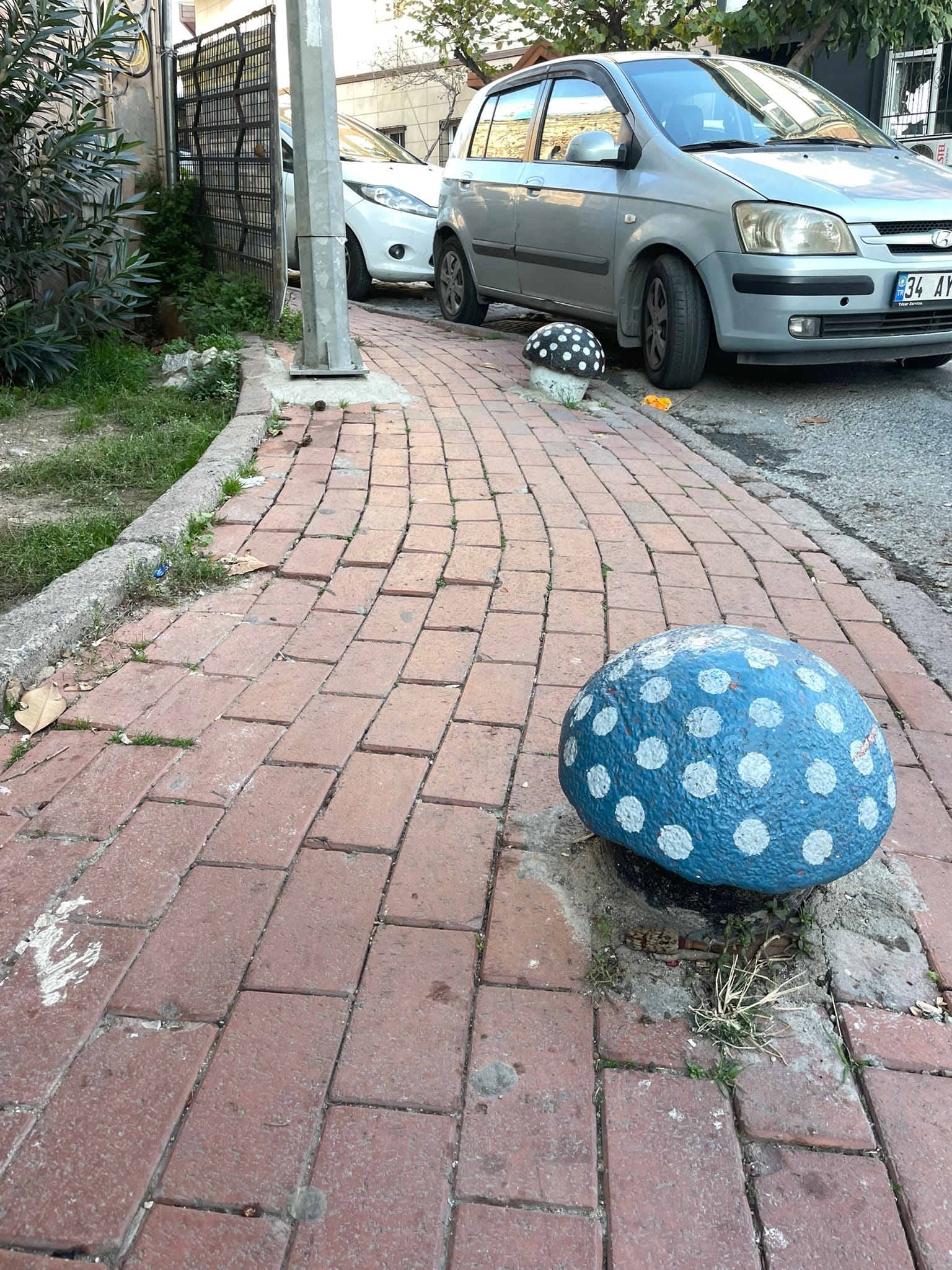
Strangely, every direction in Istanbul was uphill? [📸 Rachel & Johann]
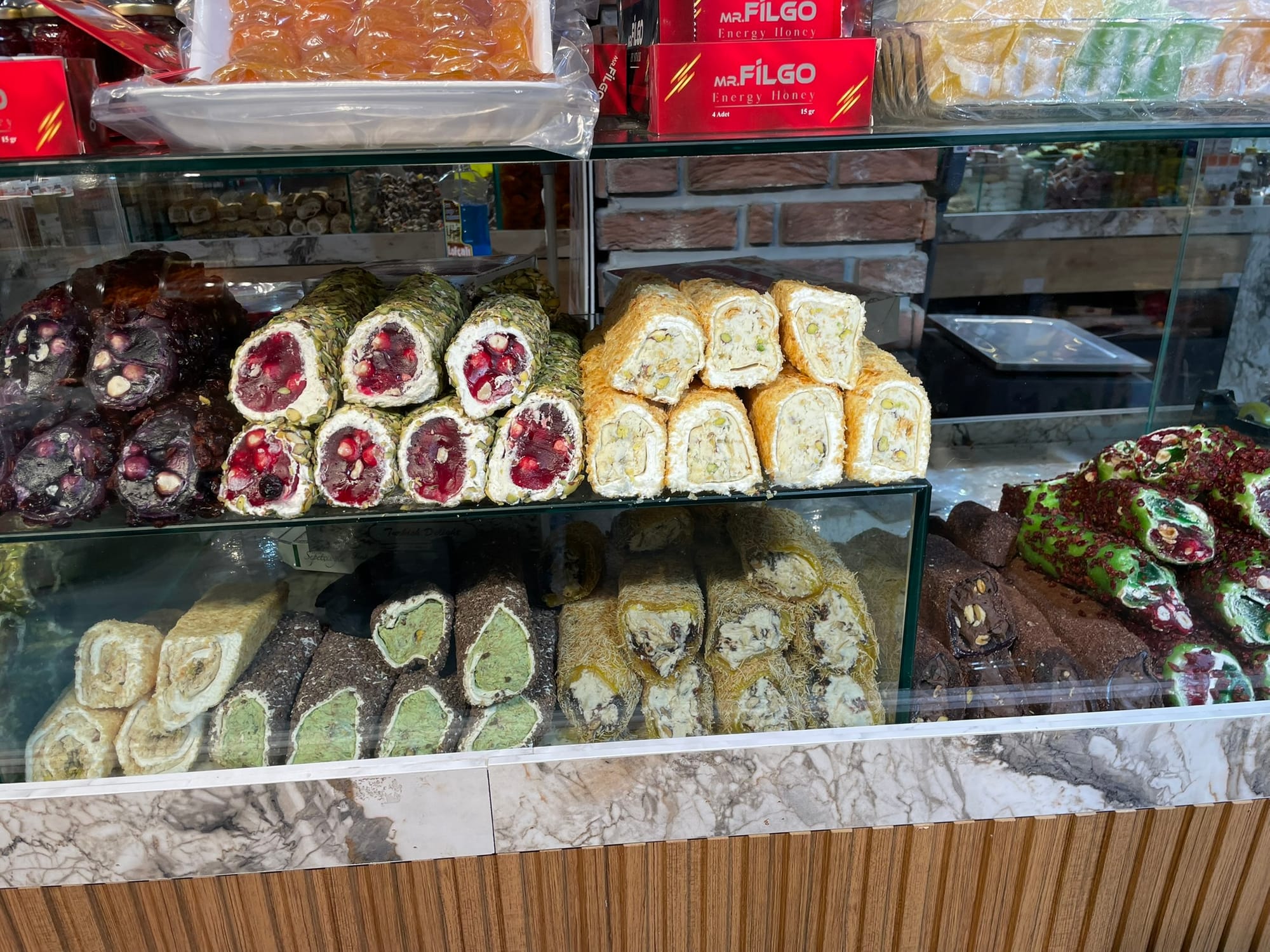
We strolled along the Bosporus (the straight dividing Europe and Asia), snacked on simits and baklava, and discovered the best candy we have ever had: the modern varieties of Turkish delight with their layers of fruit jelly, nougat, marshmallow, and praline. We found logs of the sweet stuff stacked high in the Spice Bazaar, which was brimming with colourful teas, dried fruits, and yes indeed, spices. The Grand Bazaar bustled too, choke-full of knock-off designer items and an excessive quantity of cigarette smoke.
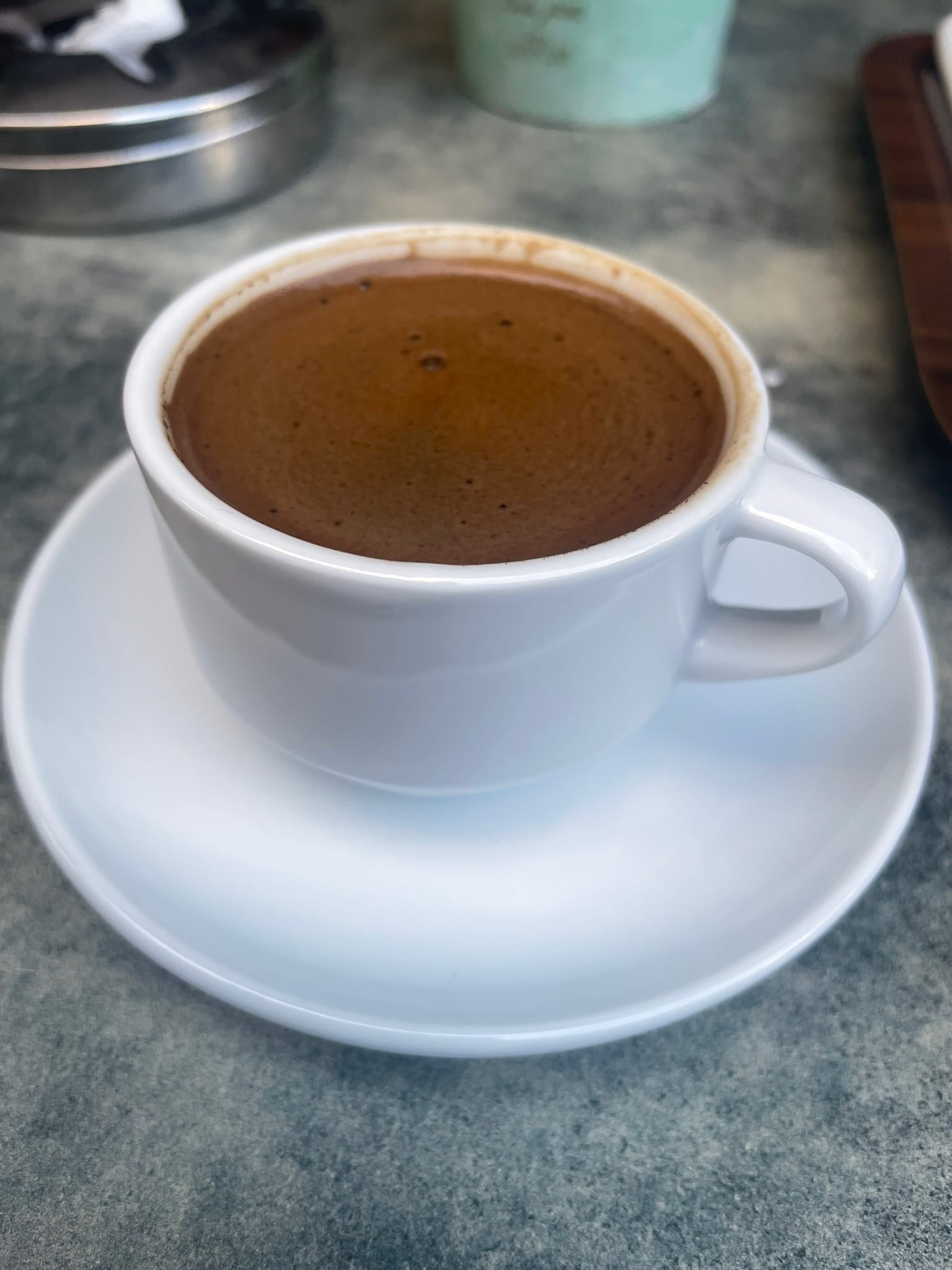
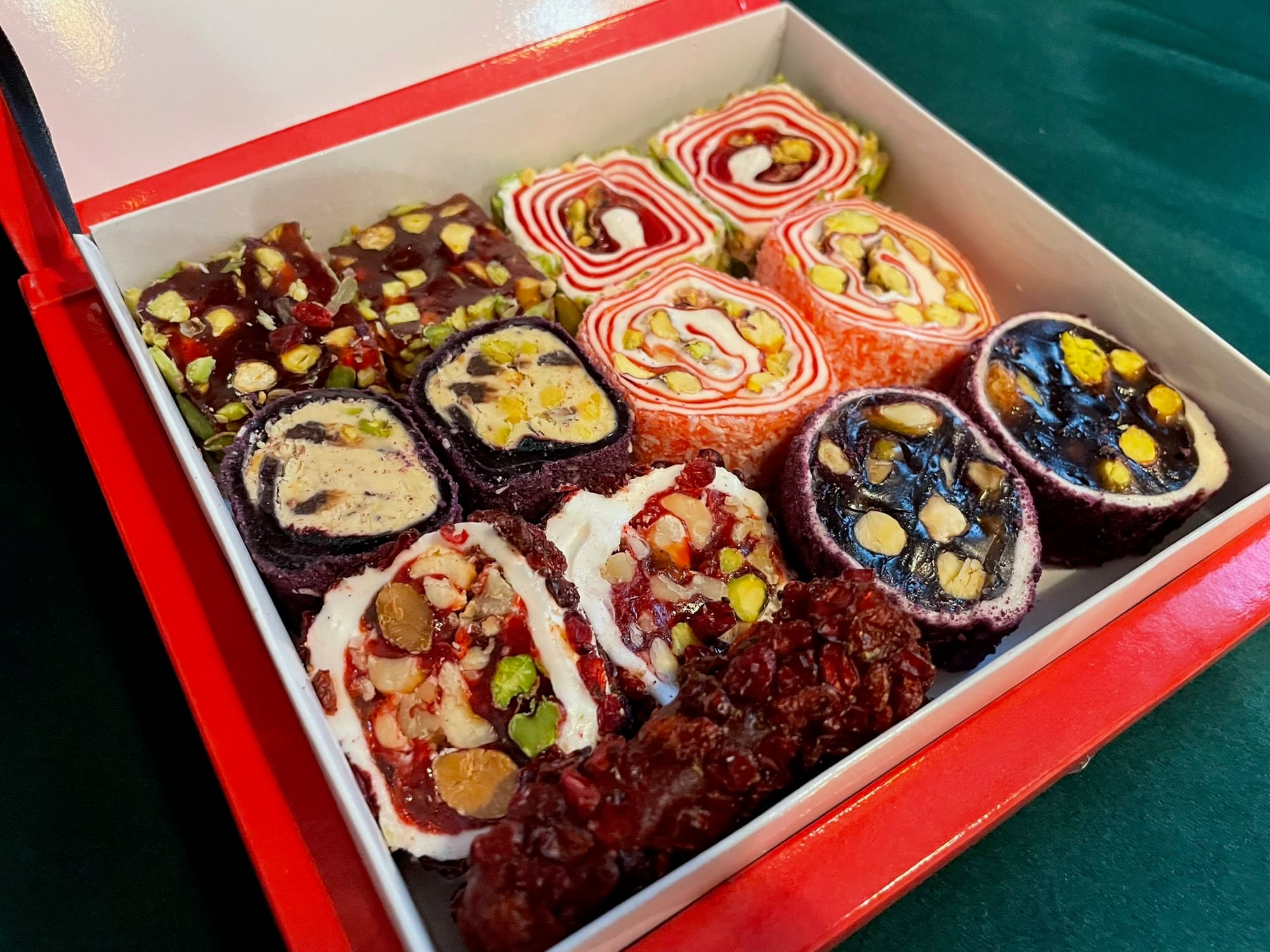
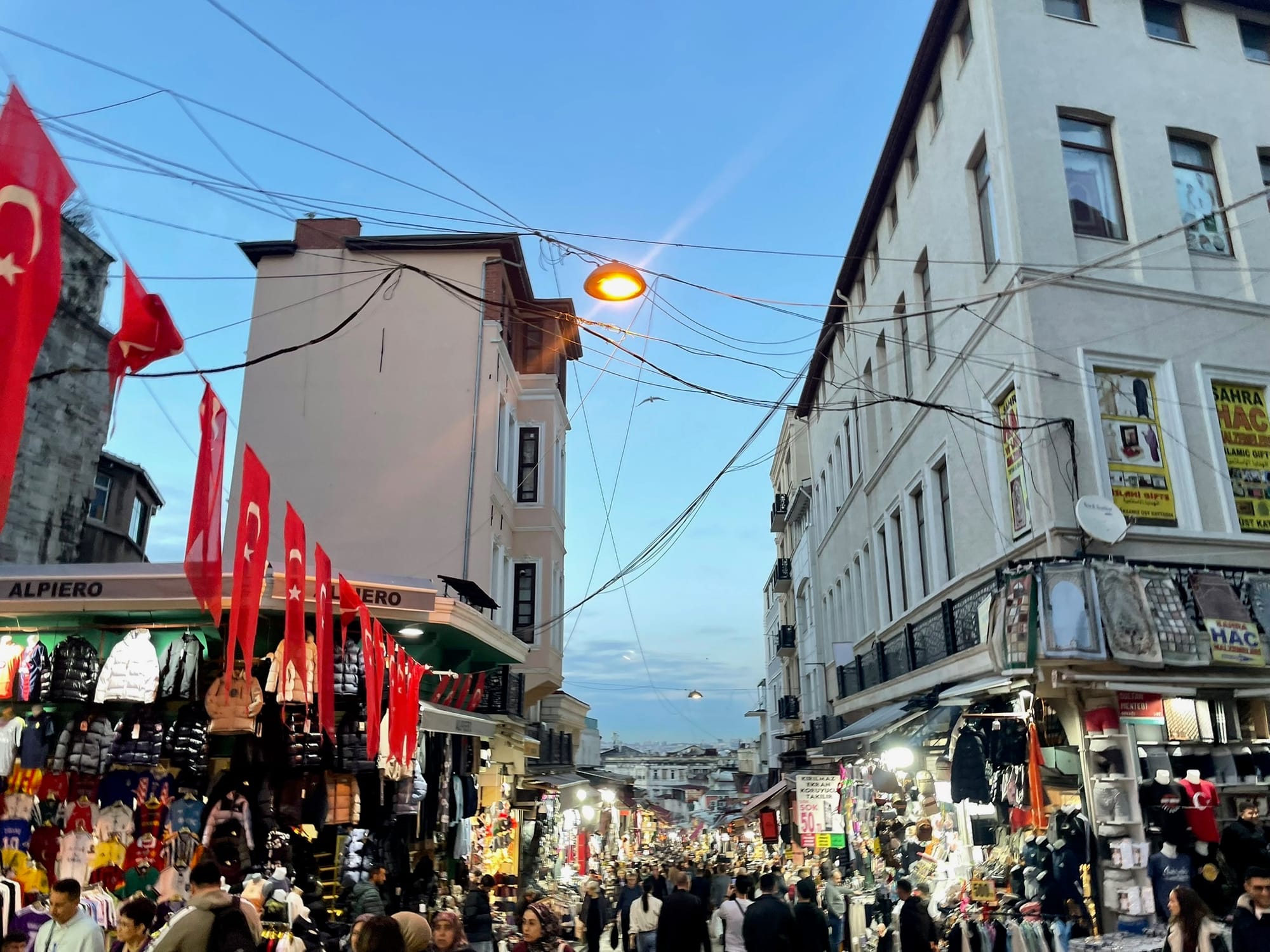
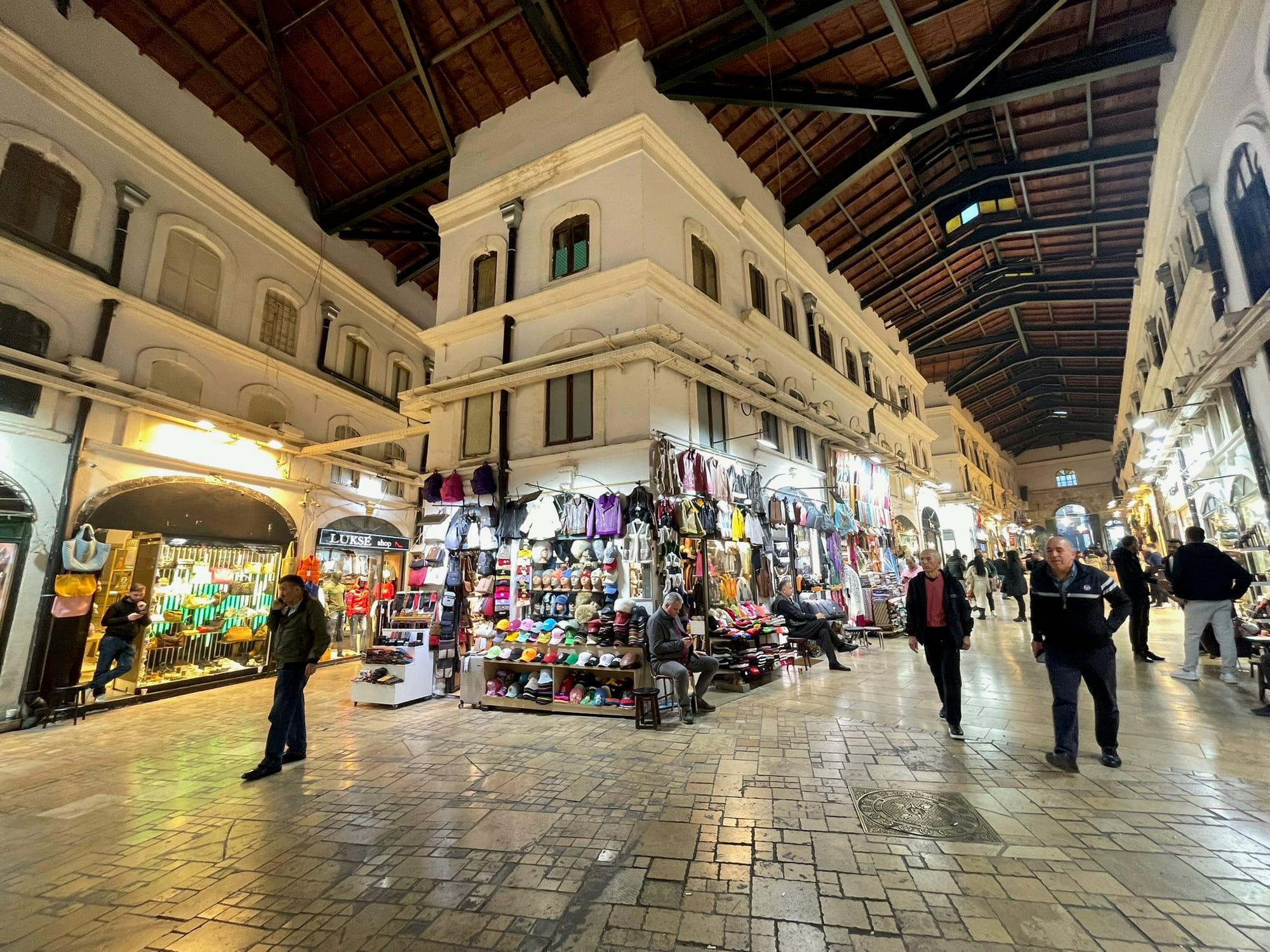
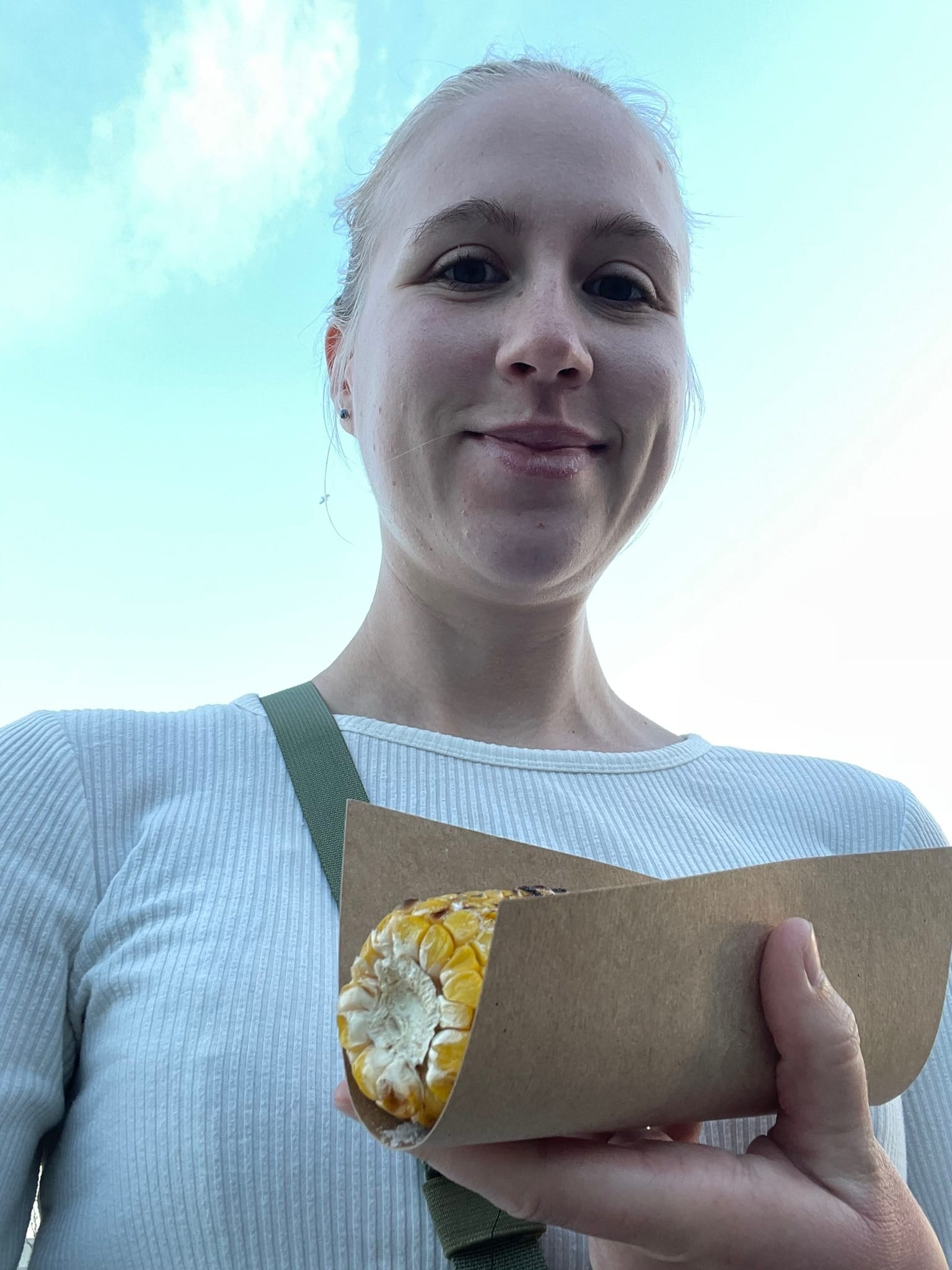
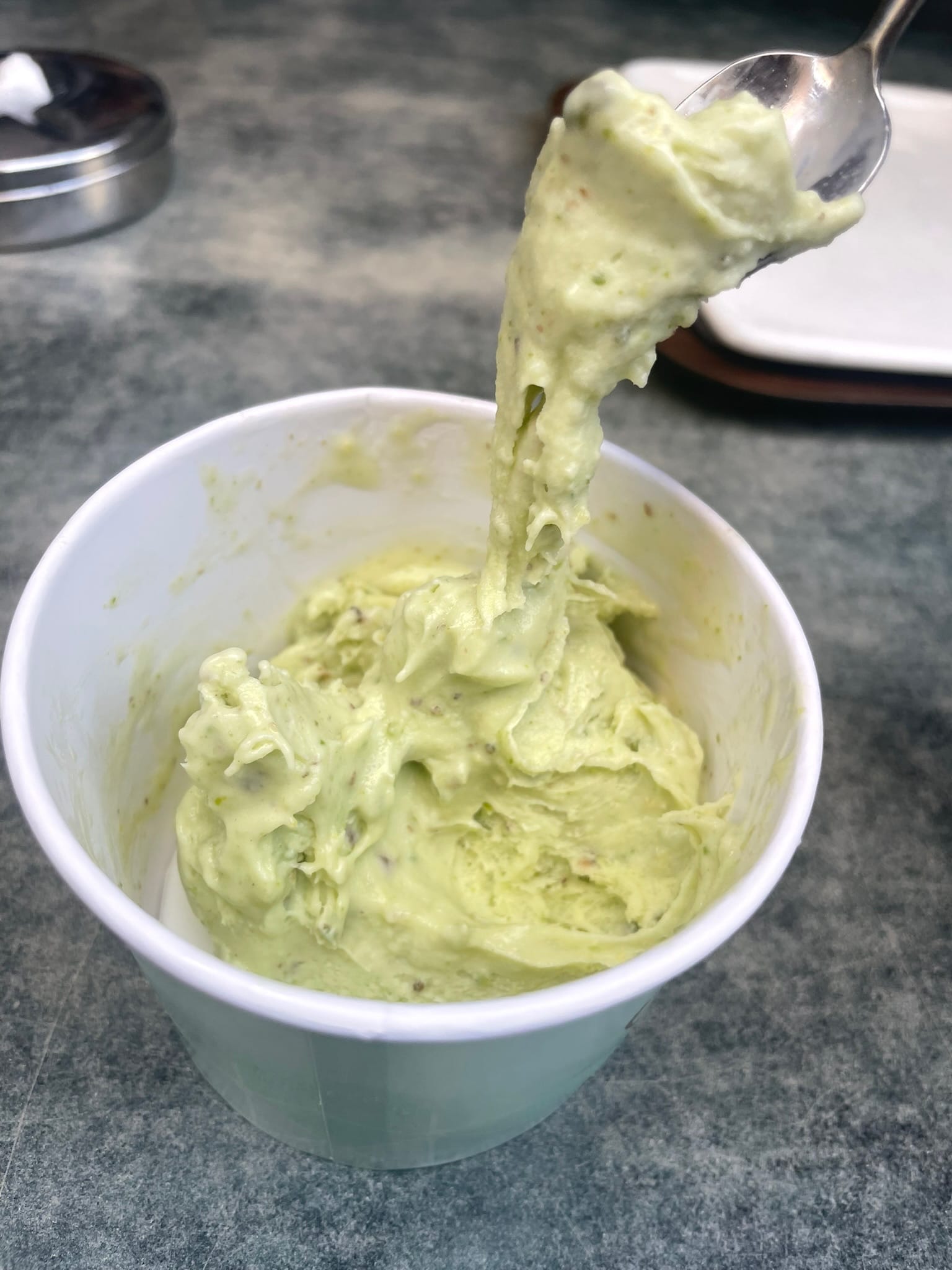
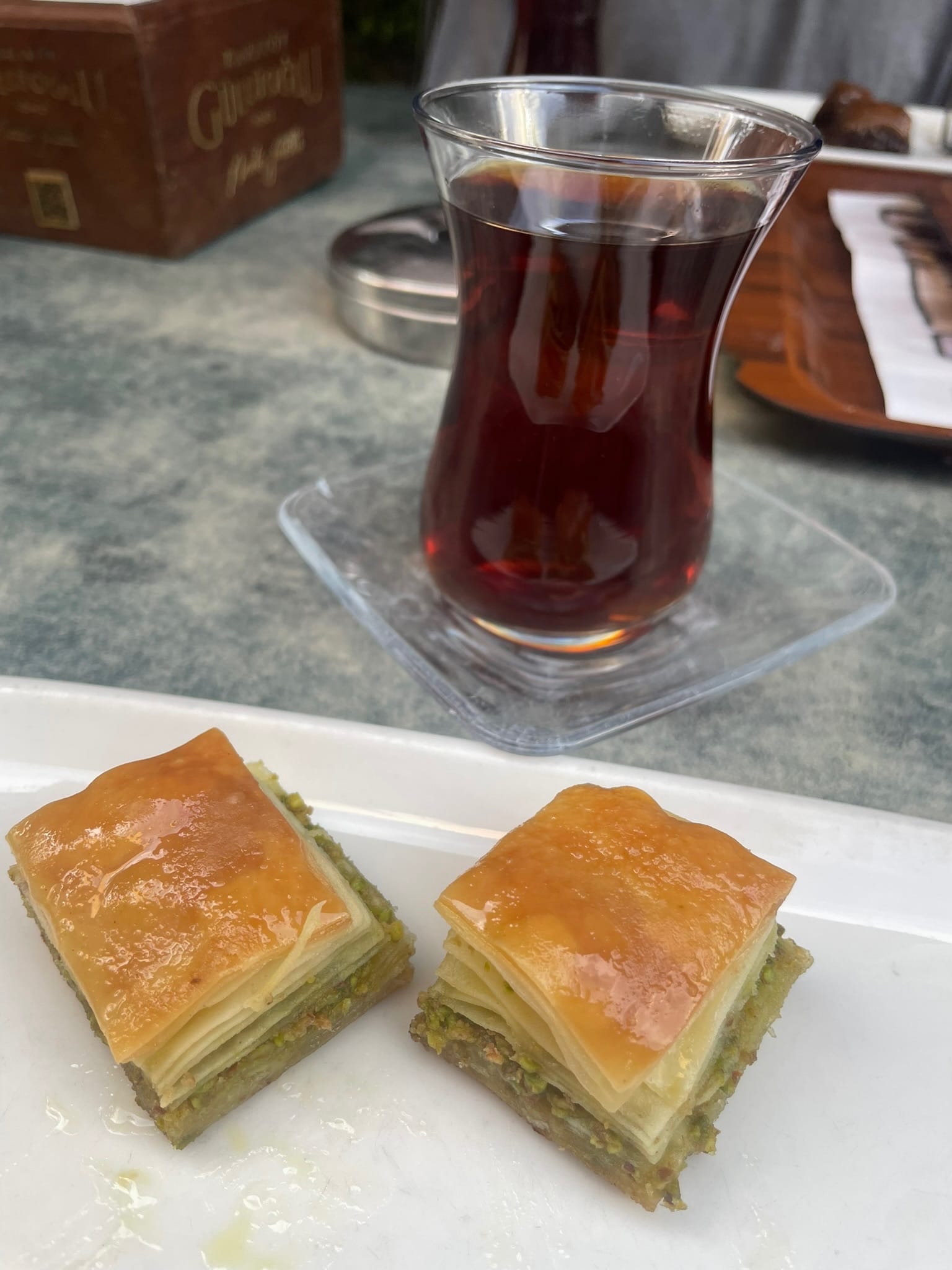
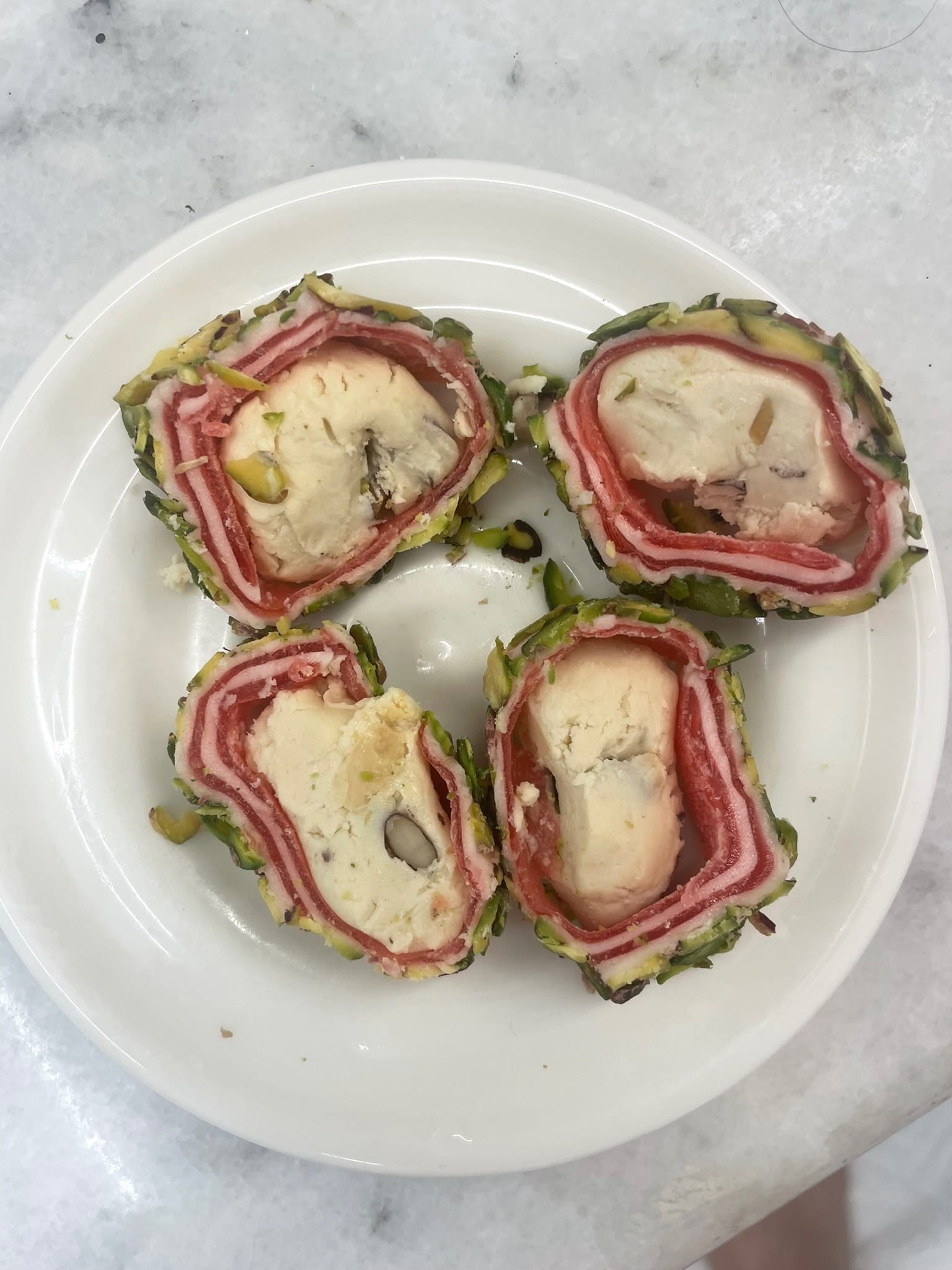
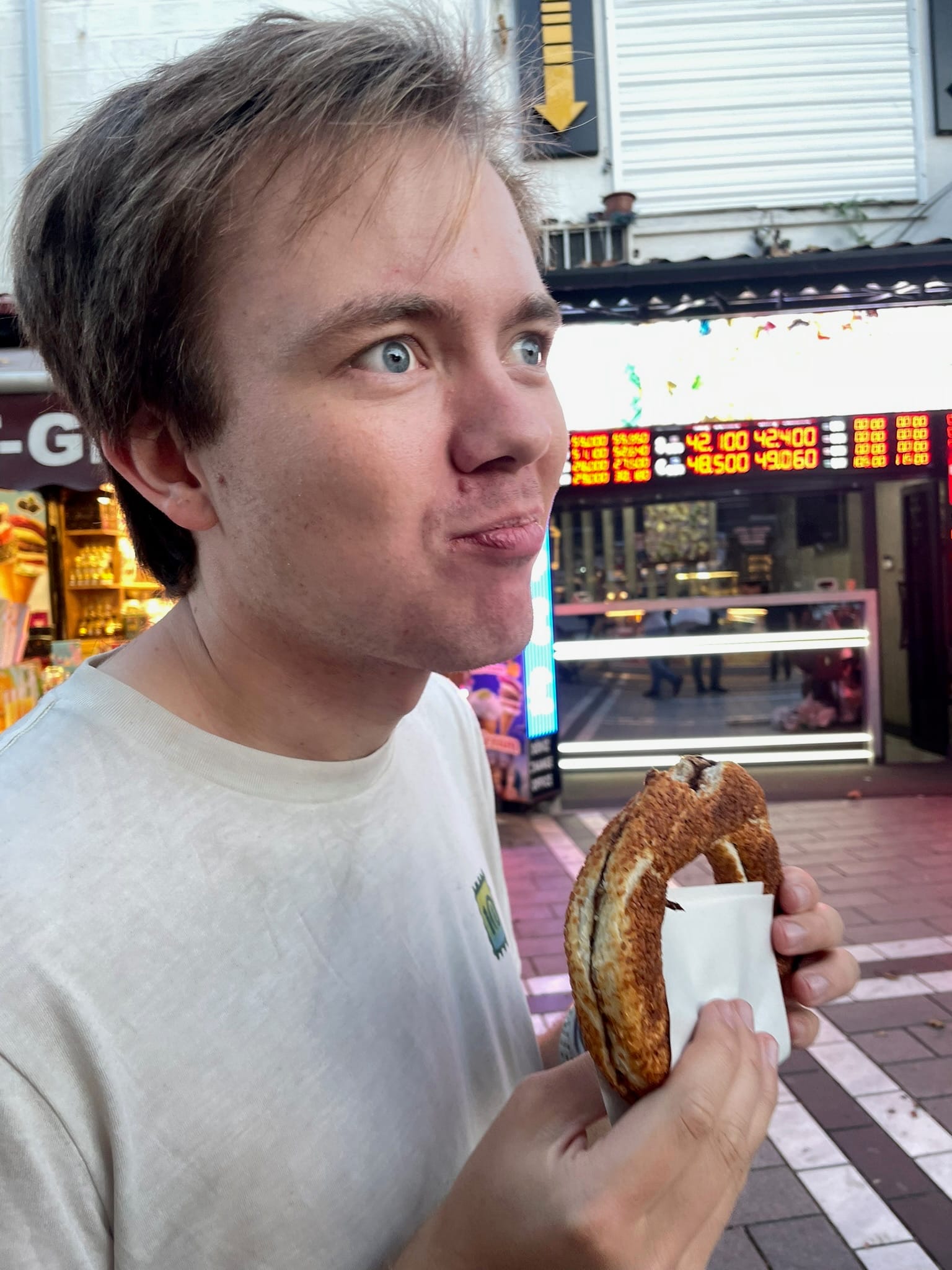
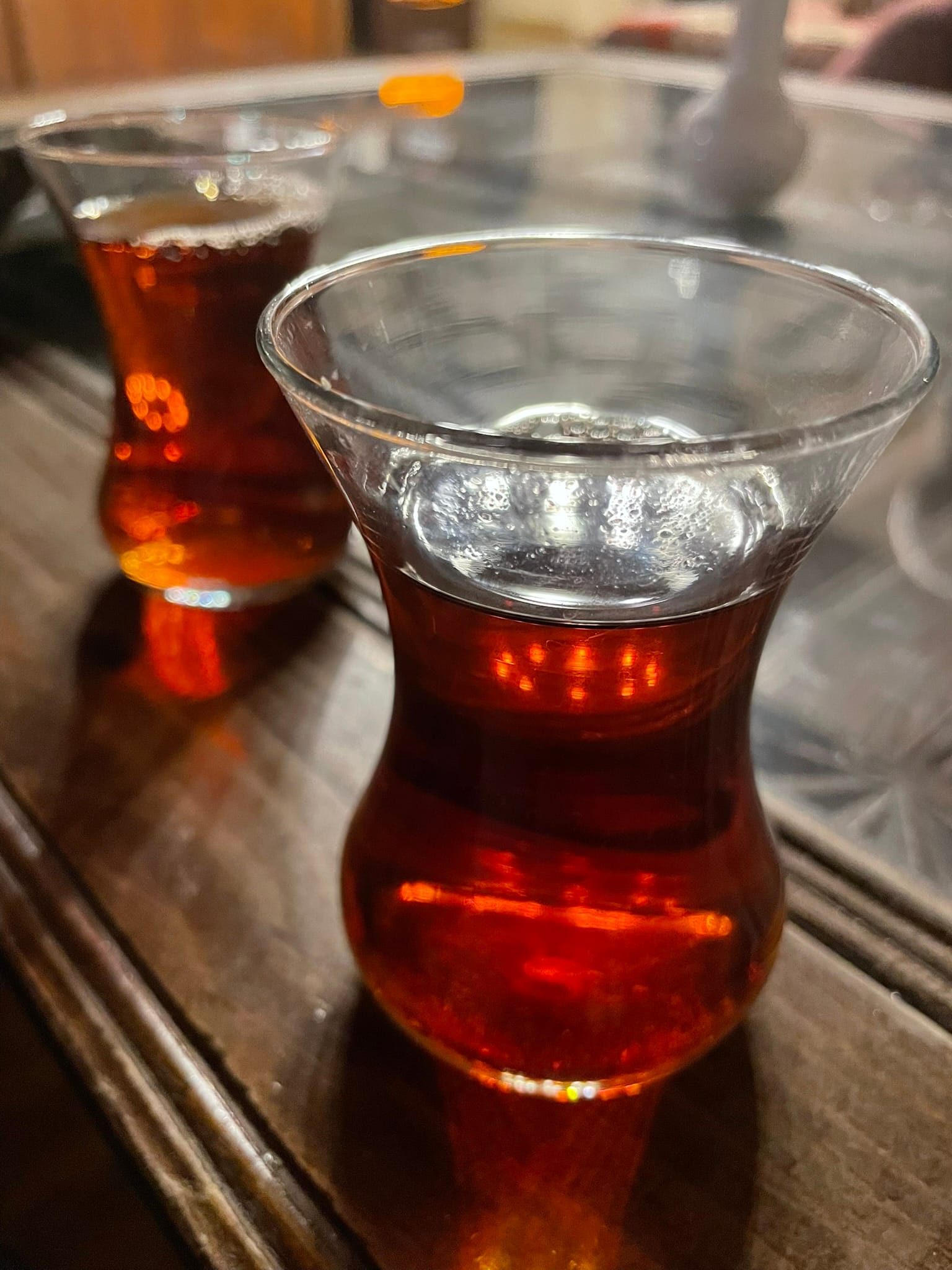
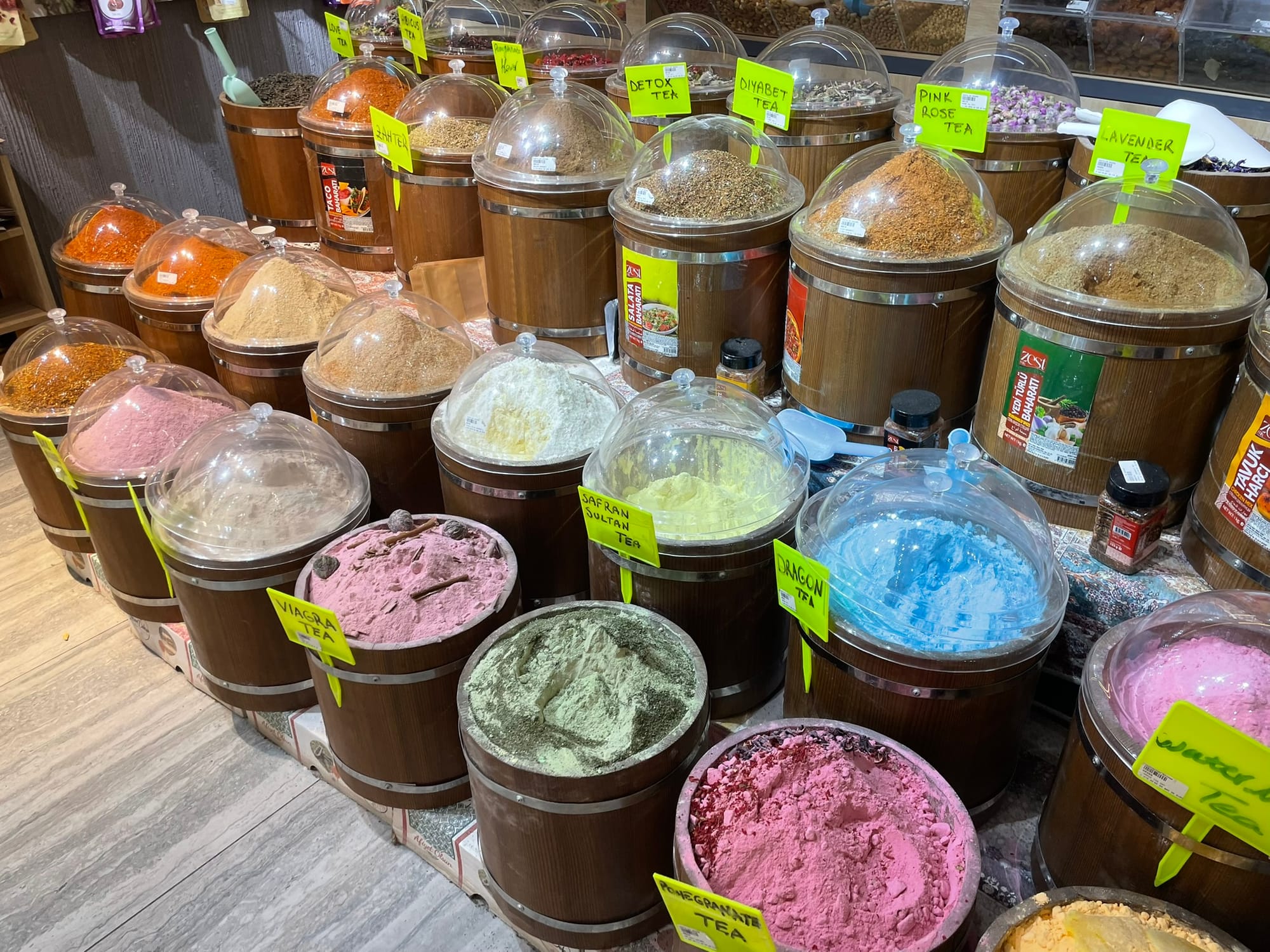
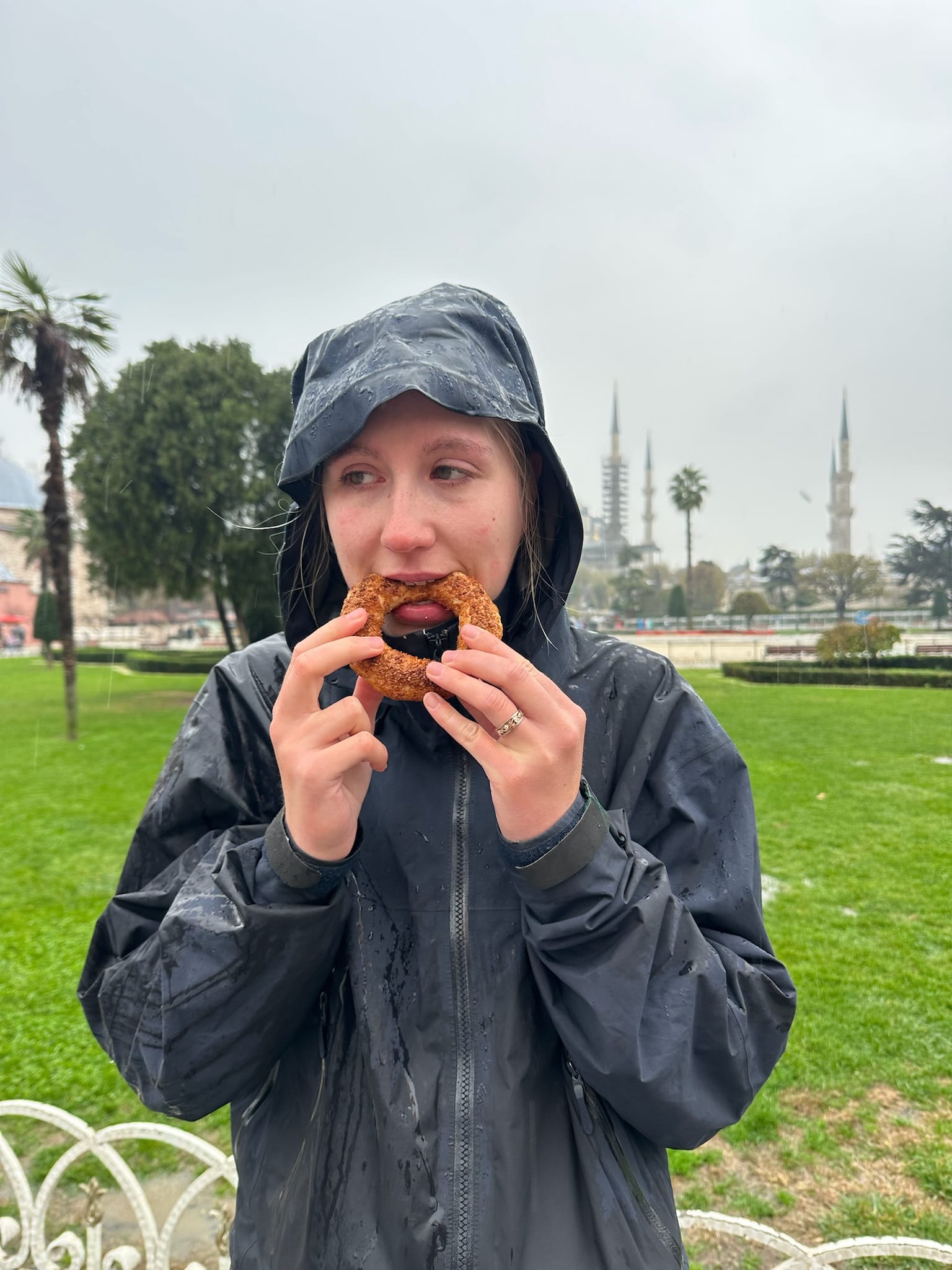
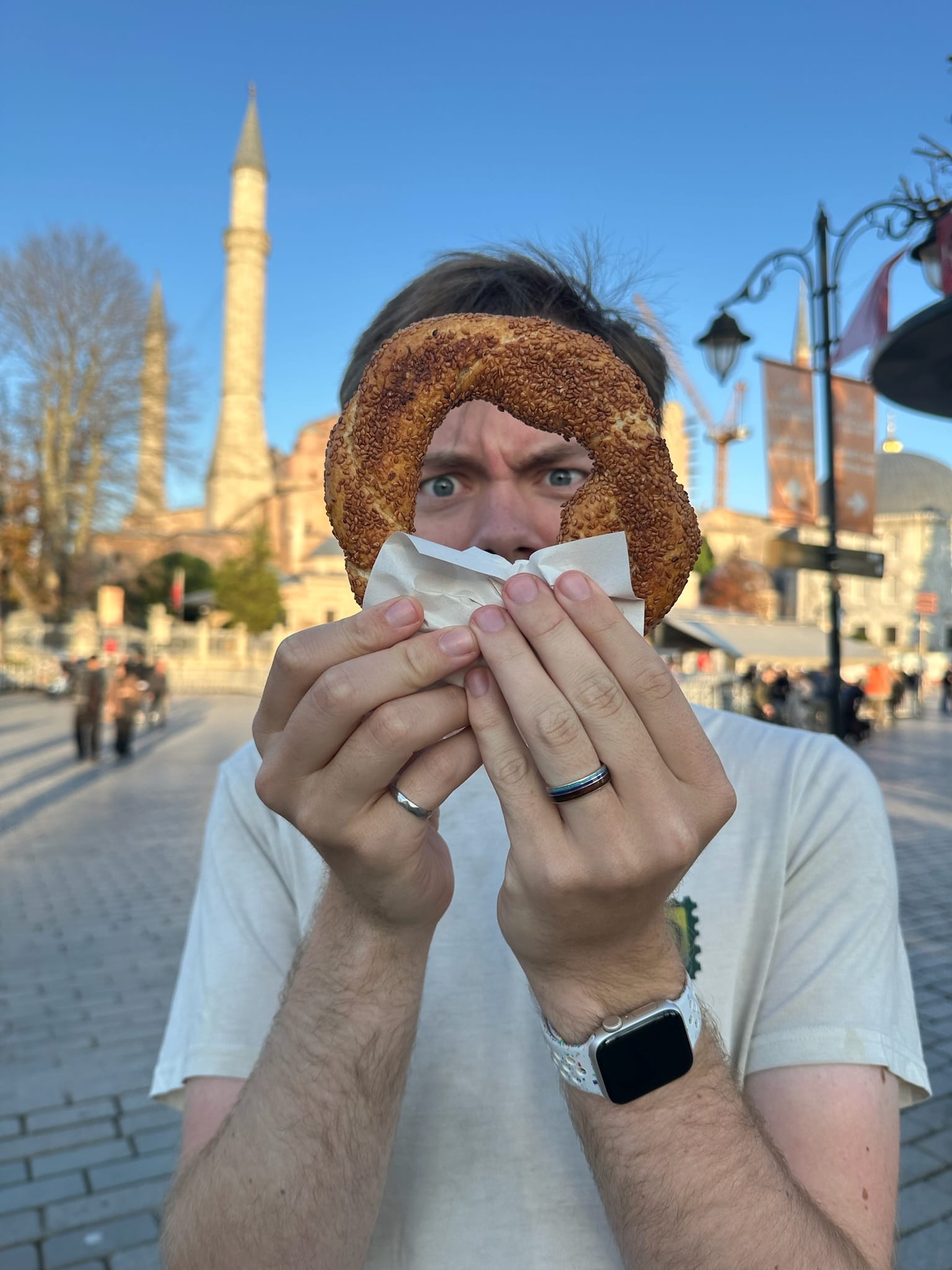
We REALLY like Turkish coffee. And Turkish delight. And baklava and ice cream and simits and tulip tea glasses and yes please we’ll have some grilled street corn. [📸 Rachel & Johann]
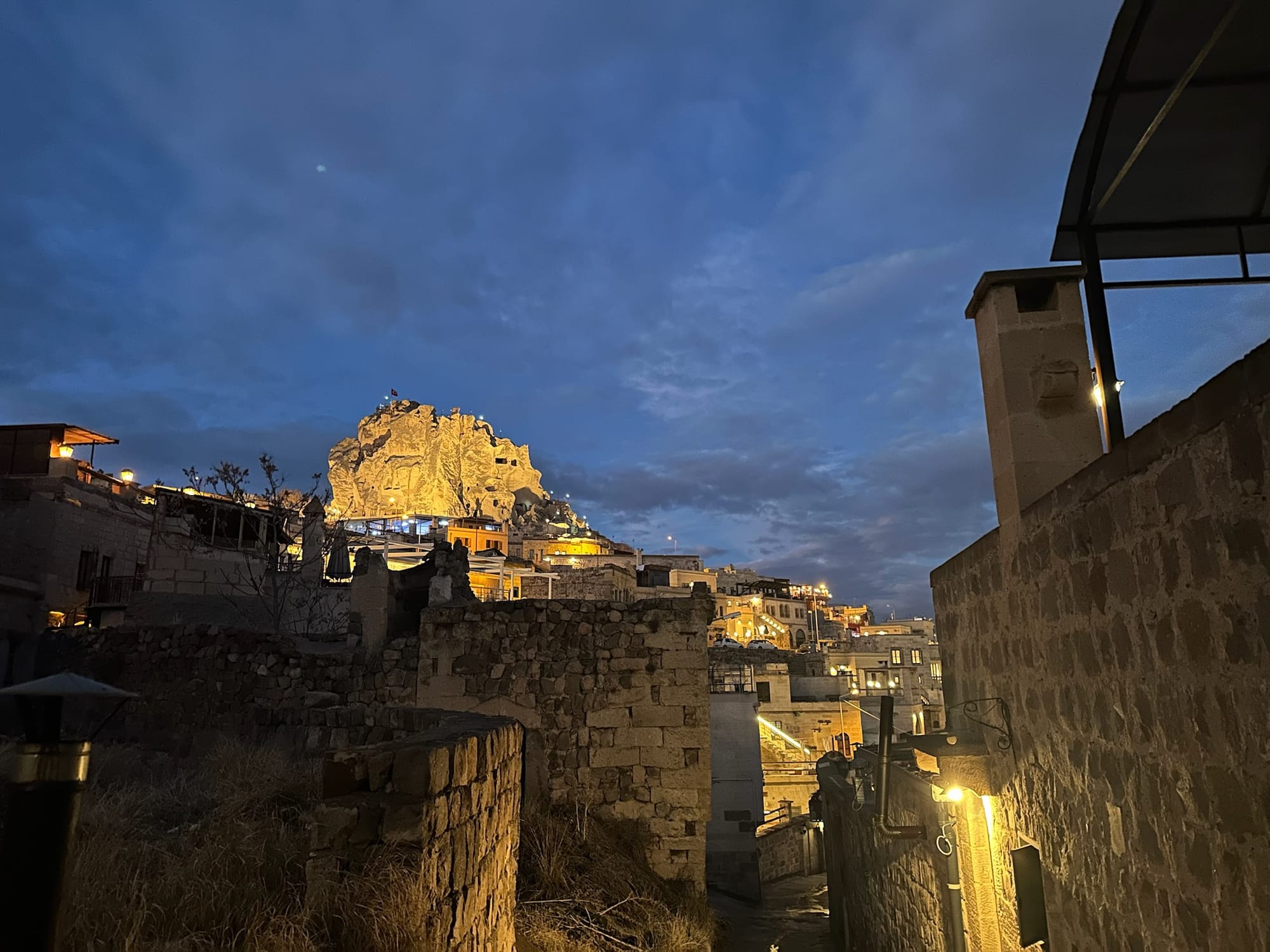
A day’s journey from Istanbul took us via train and bus to Cappadocia. Since prehistory, people have lived there in caves dug from the soft rock (formed from the ash of an ancient volcano). We stayed in Pigeon Valley, helping ‘restore’ a cave house (we pretty much just swept dirt out of a dirt cave for five hours a day, five days in a row). The valley gets its name from the many pigeon roost caves dug there, as pigeon manure was a valuable fertilizer and their eggs were used in frescoes.
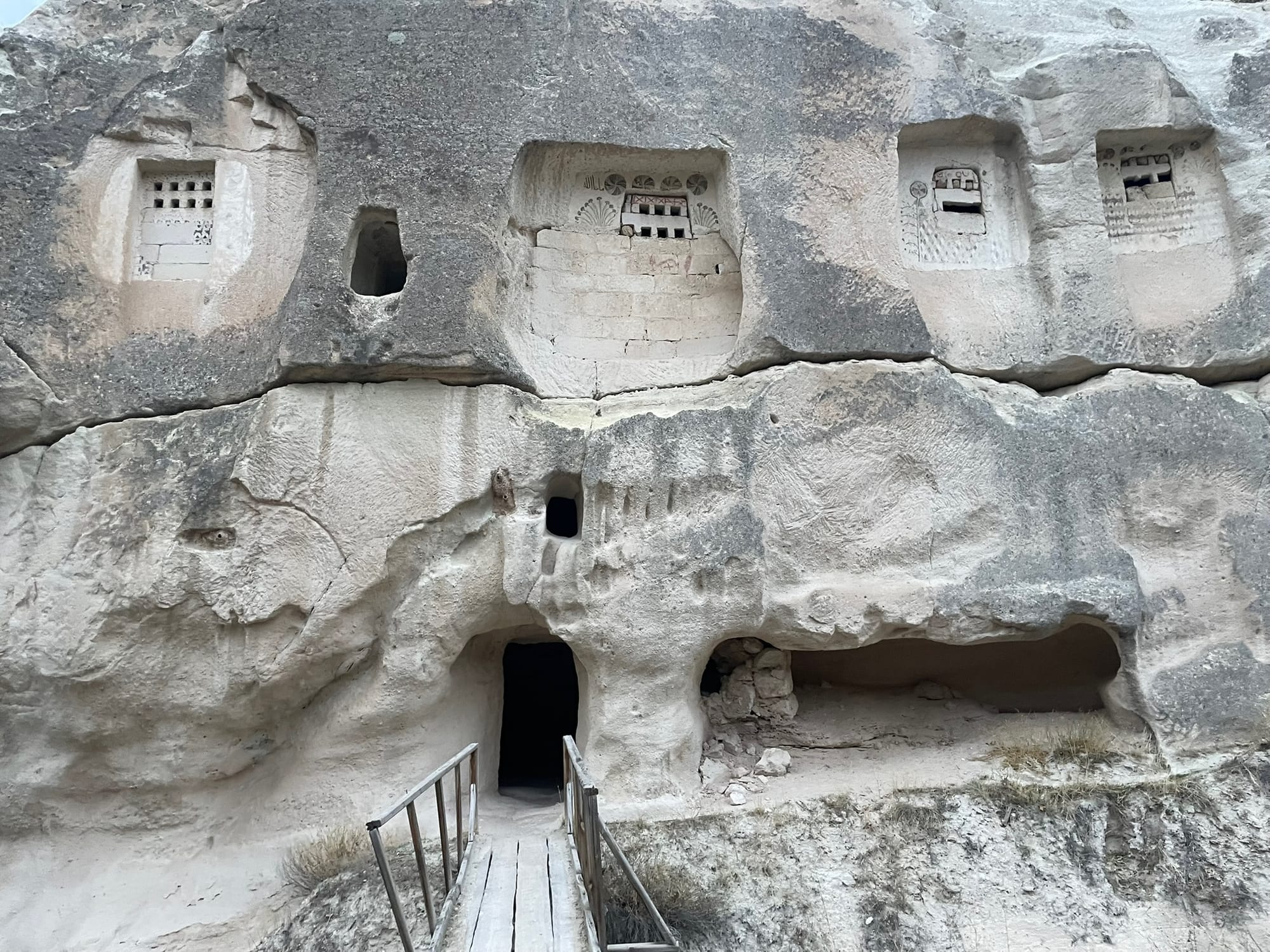
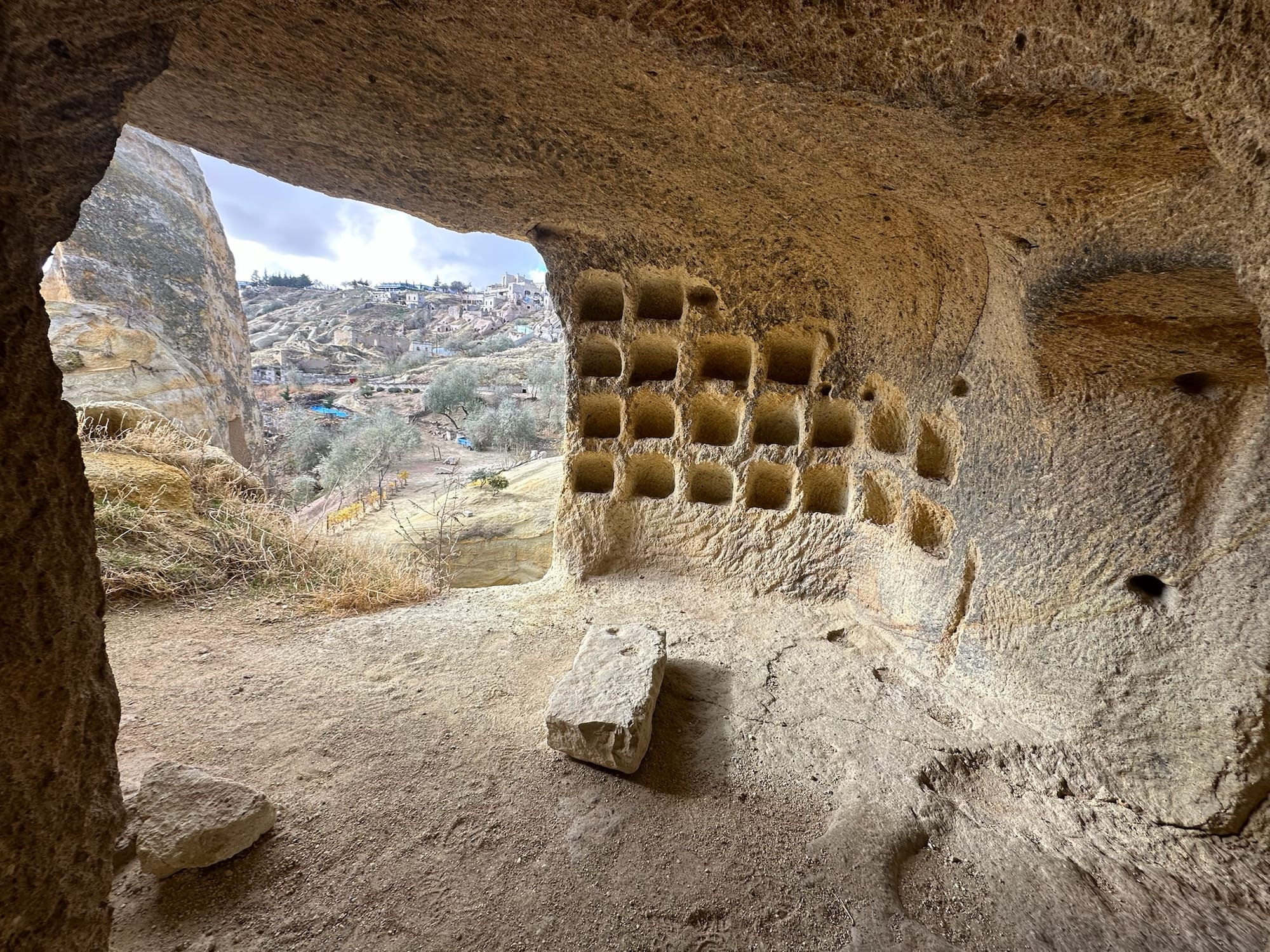
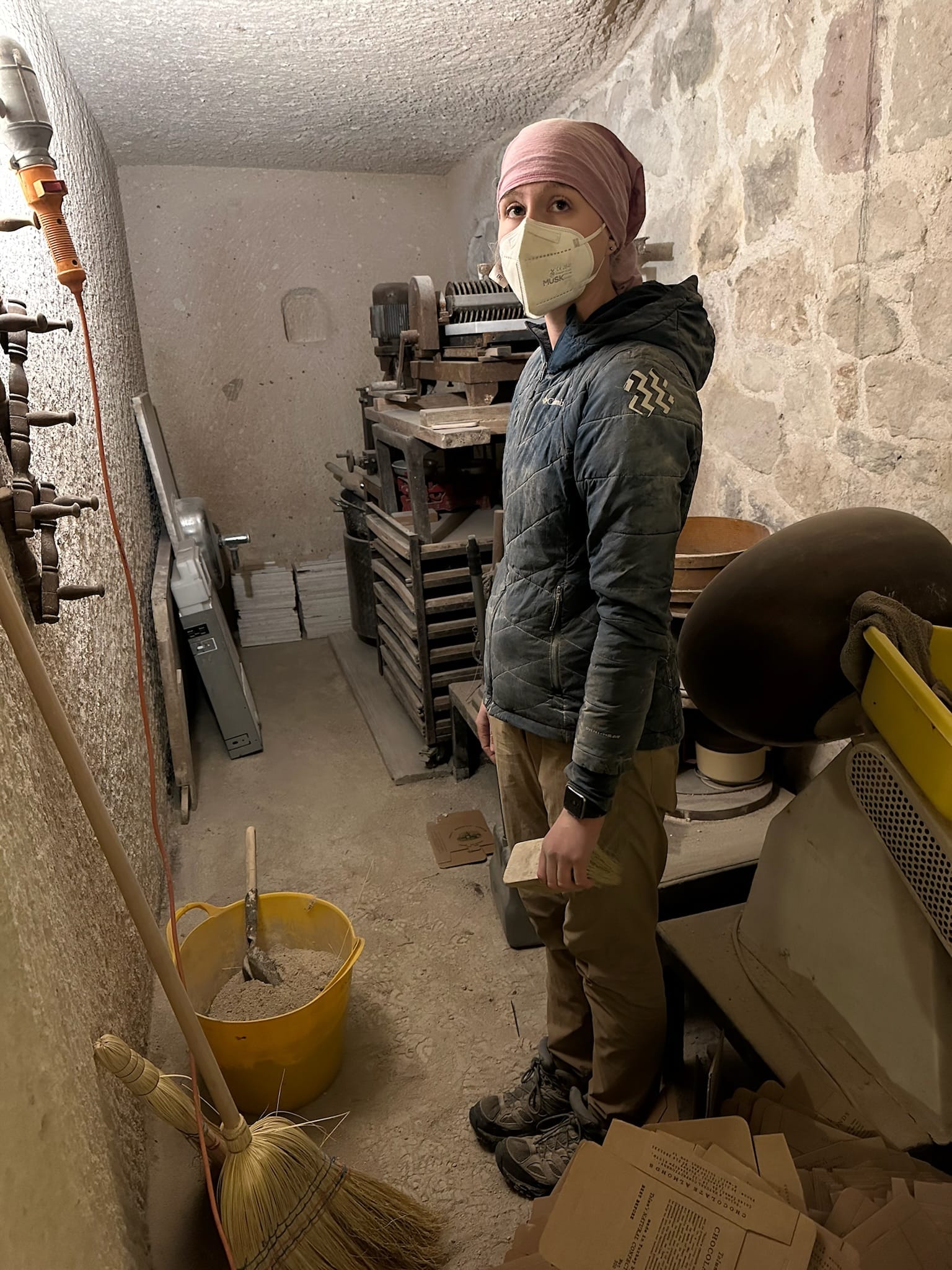
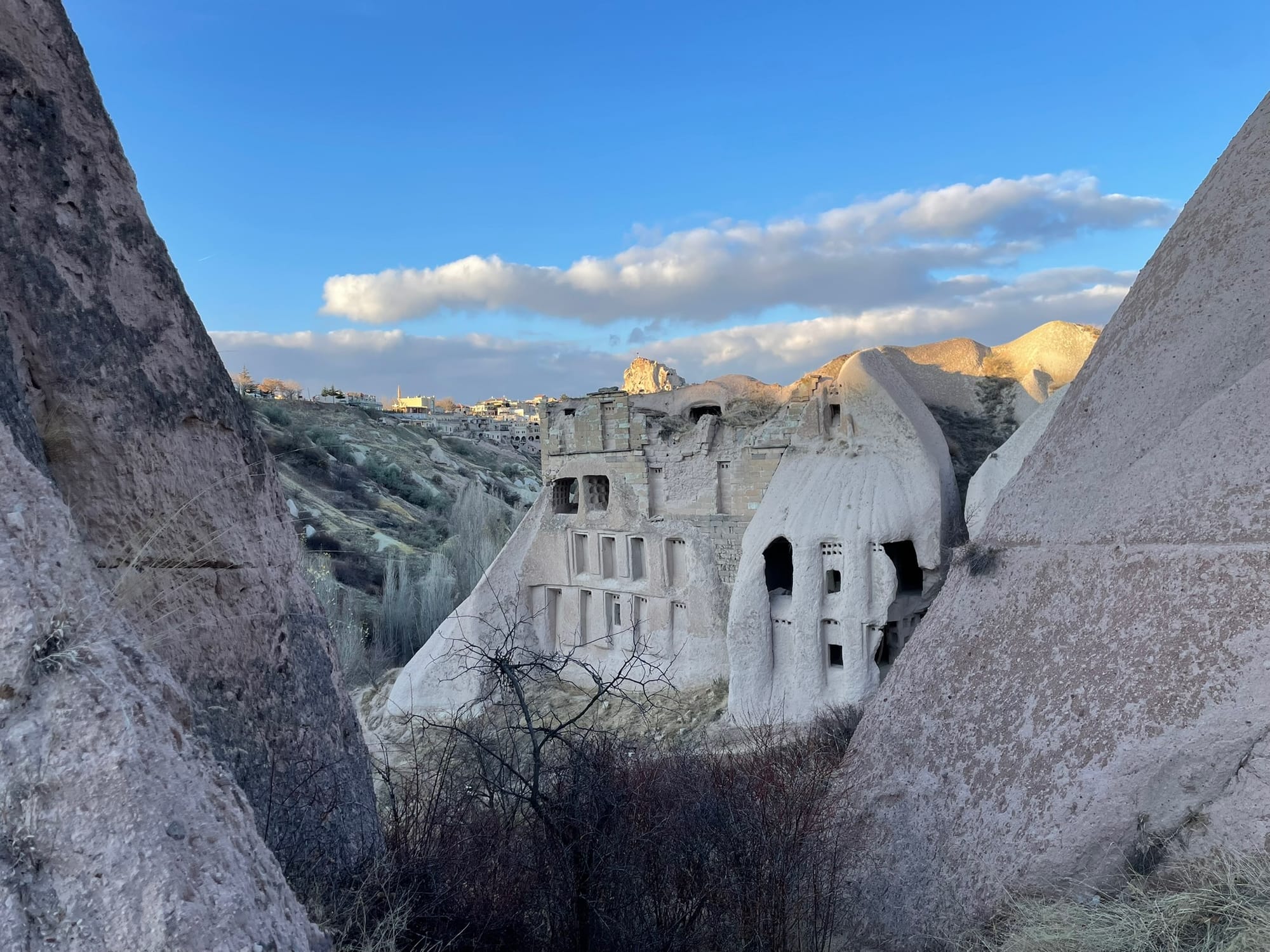
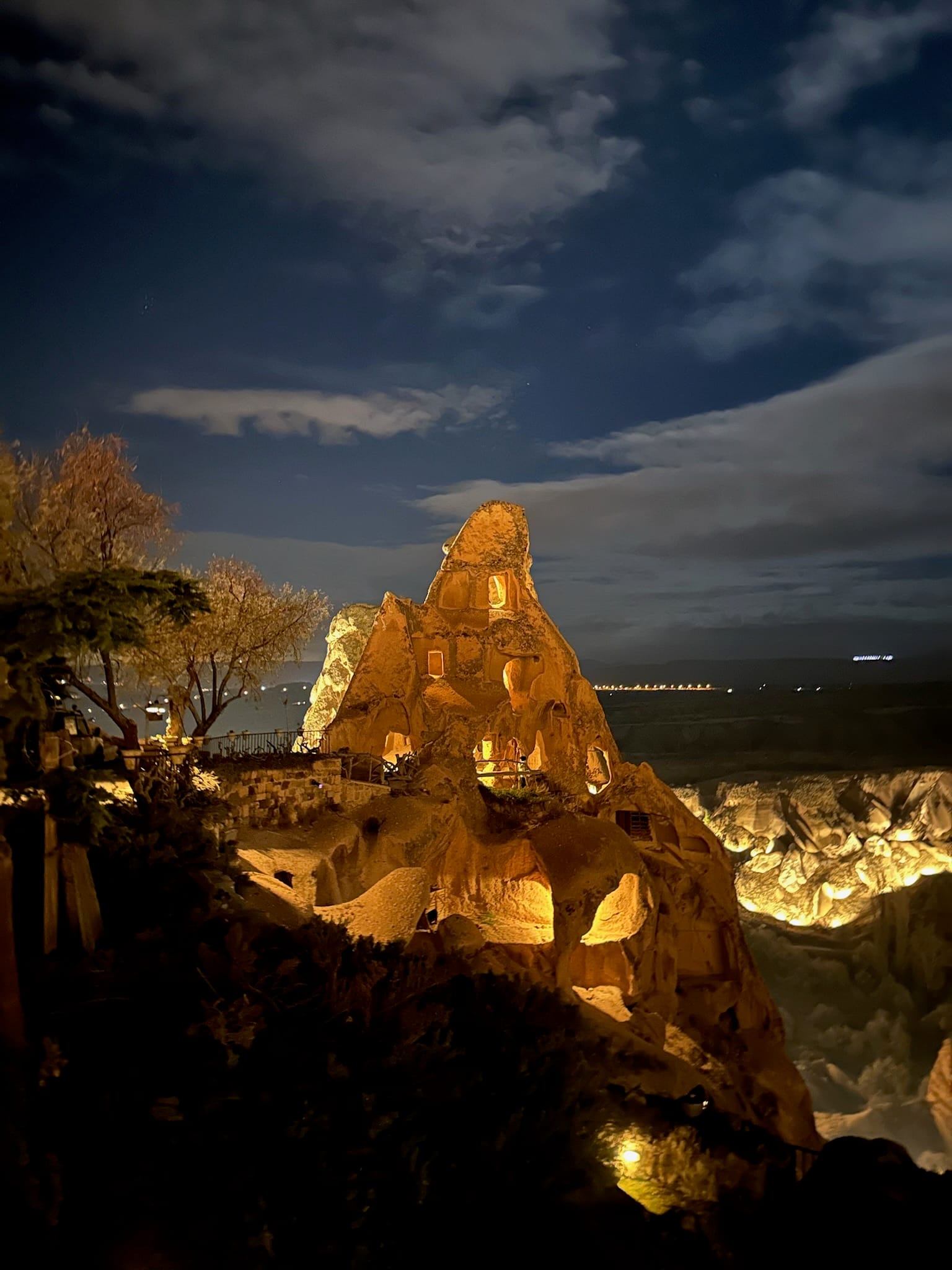
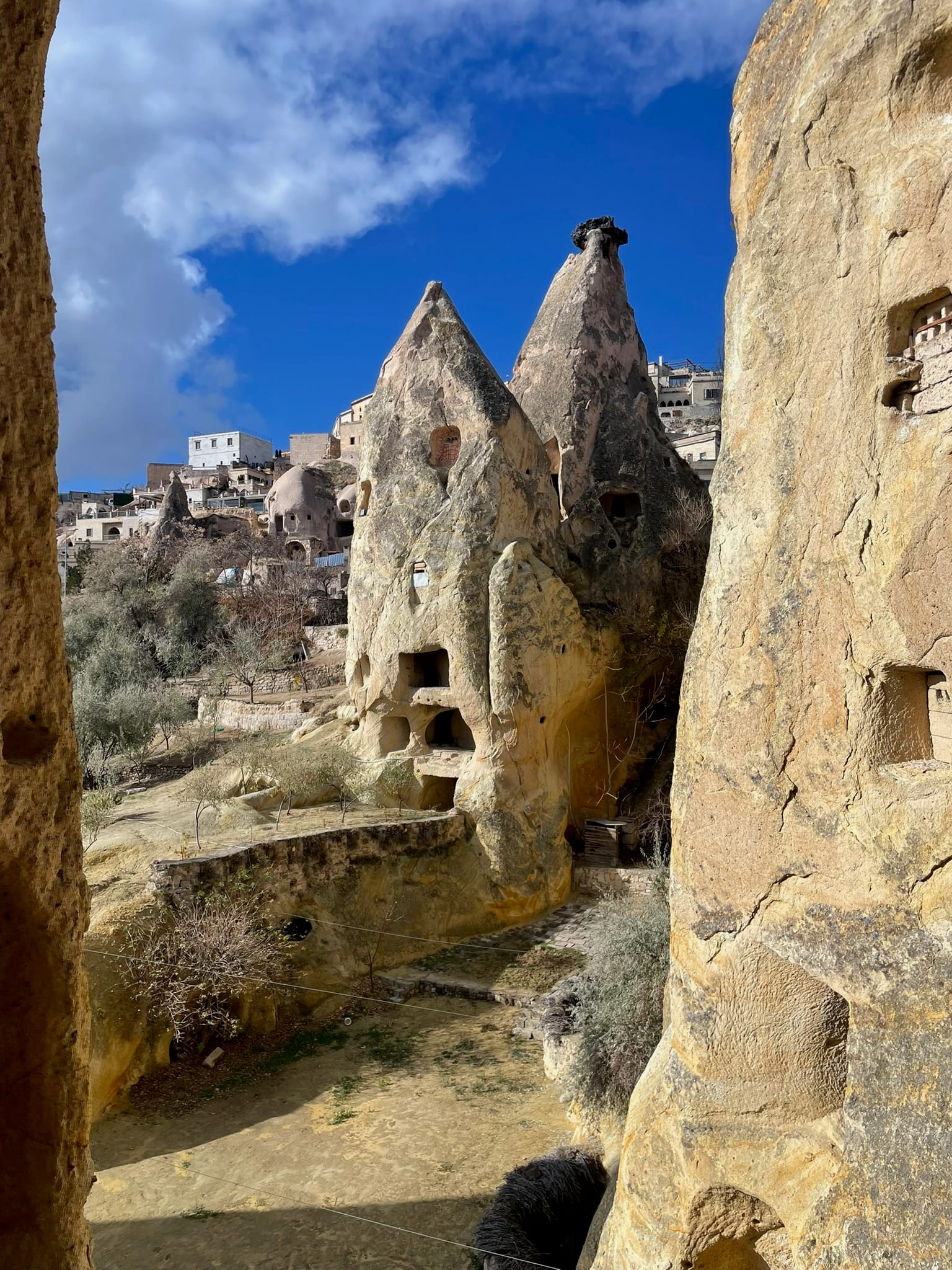
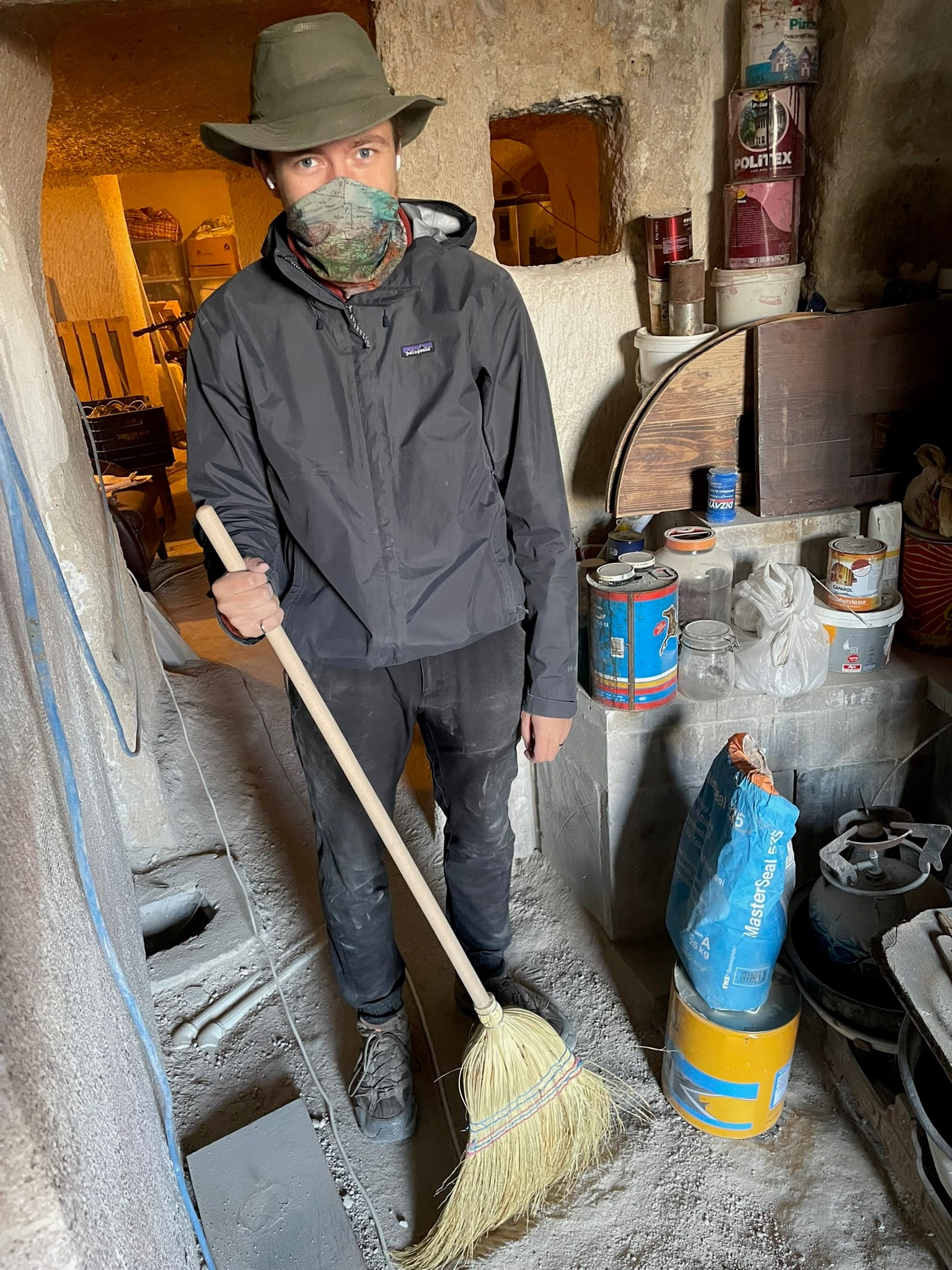
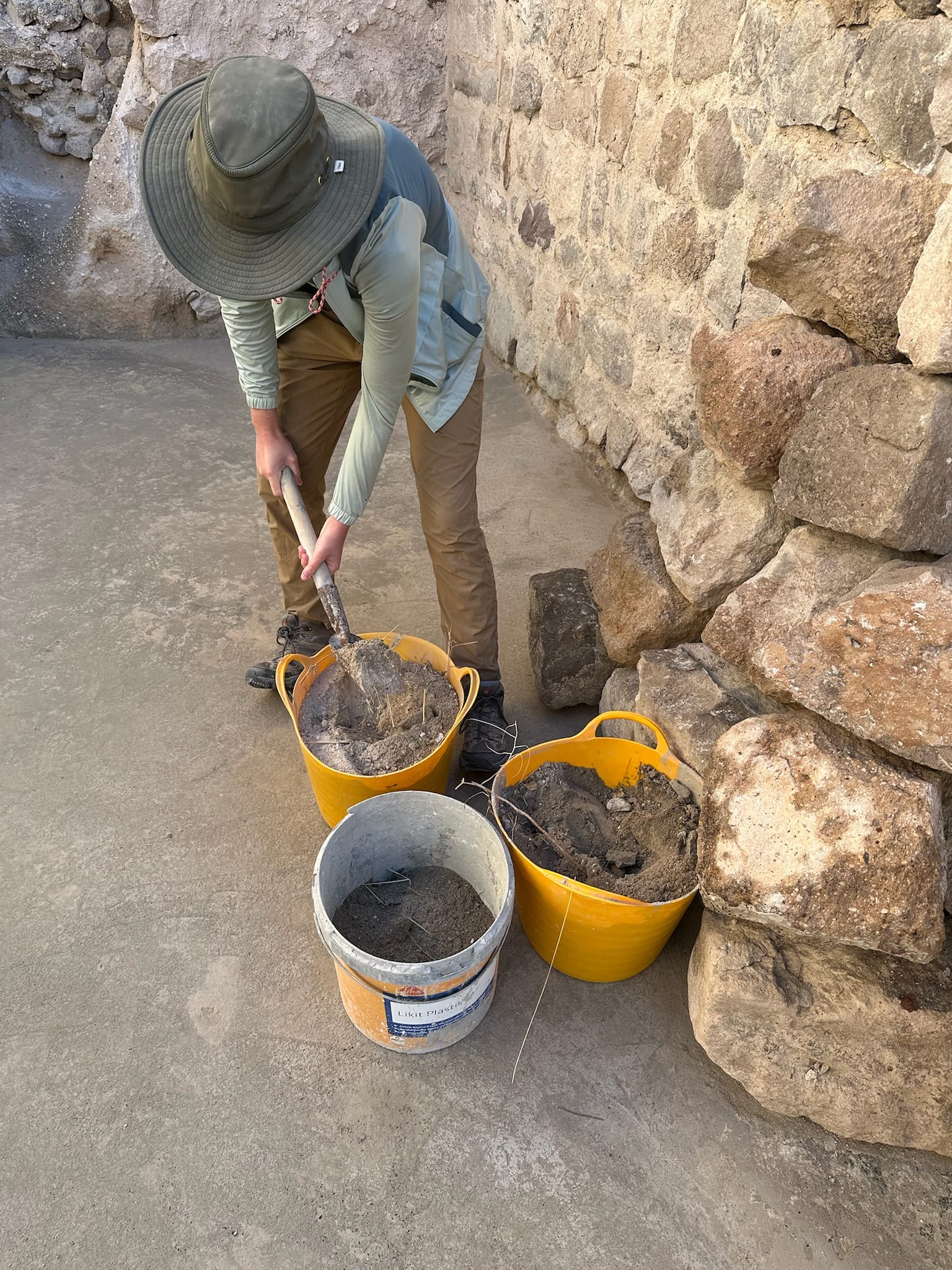
Not even Dune was this dusty. [📸 Rachel & Johann]
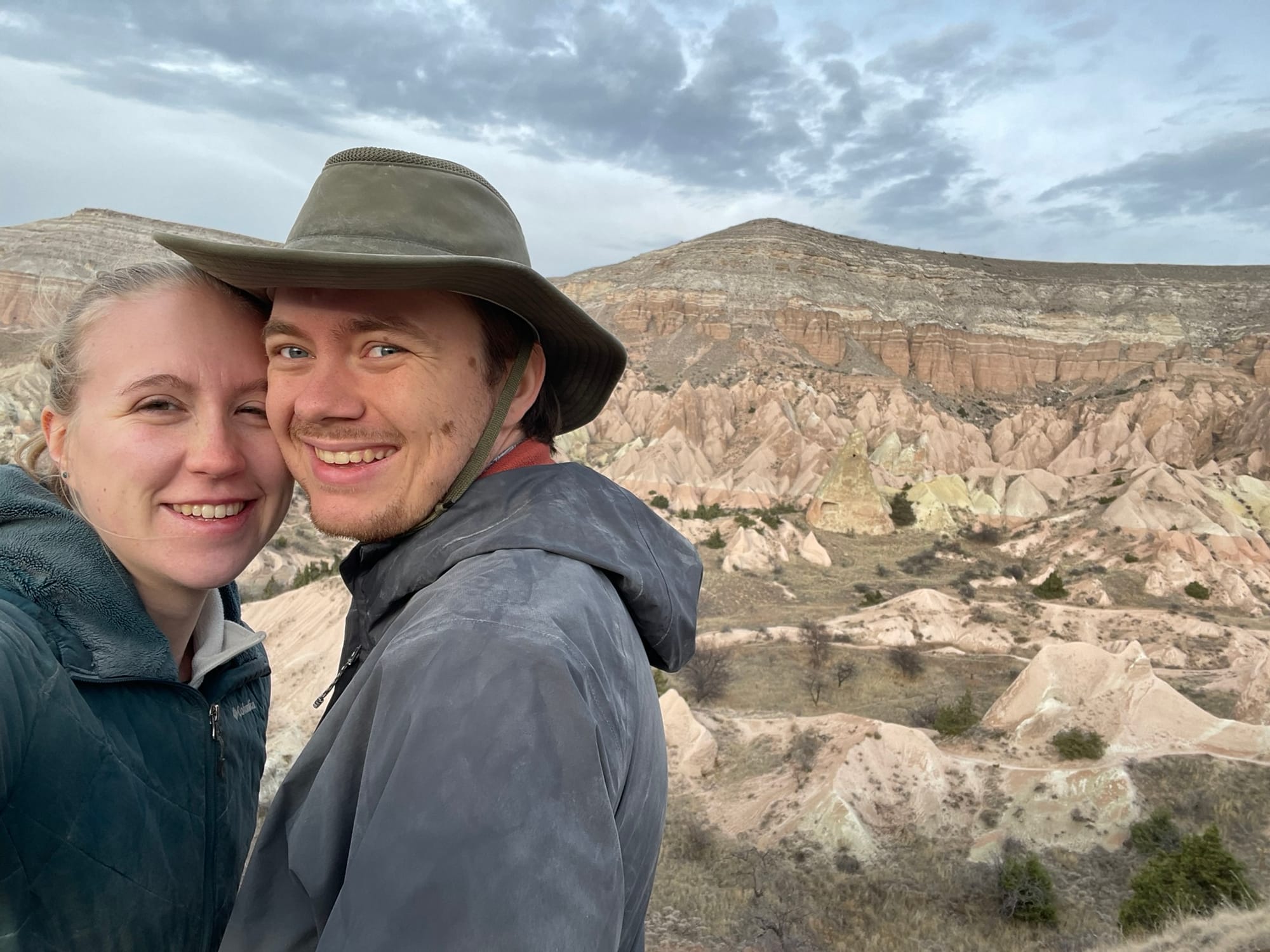
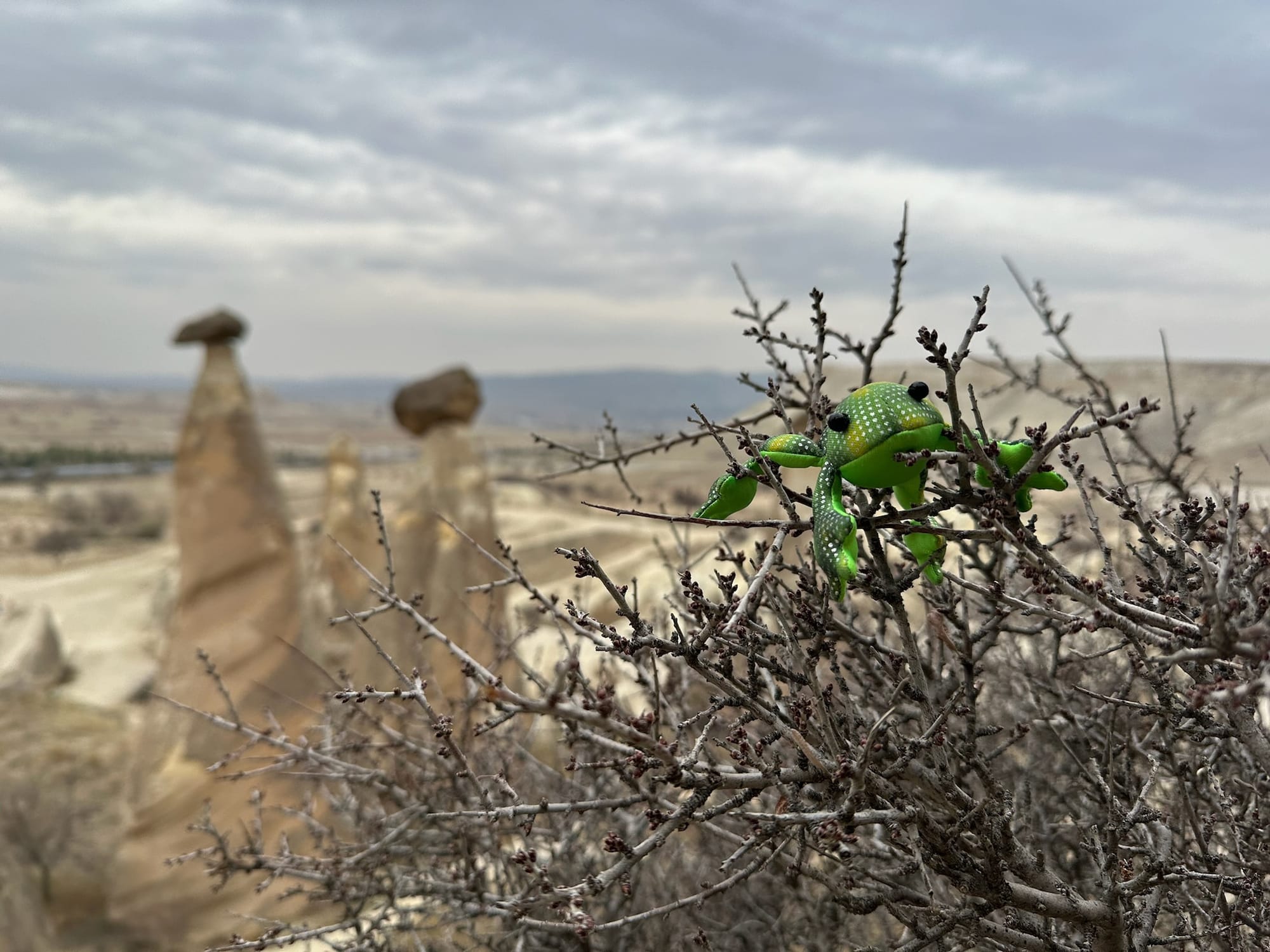
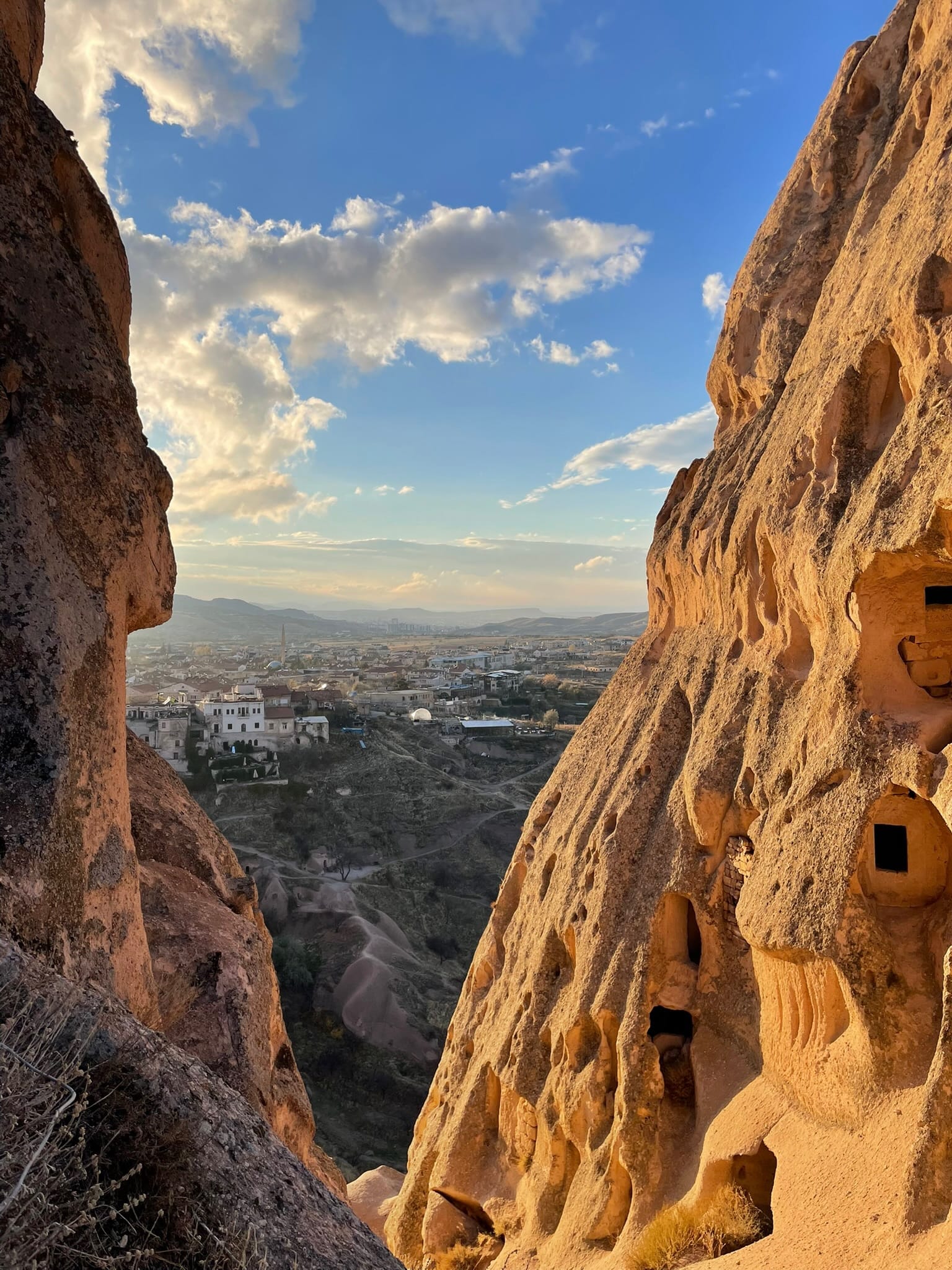
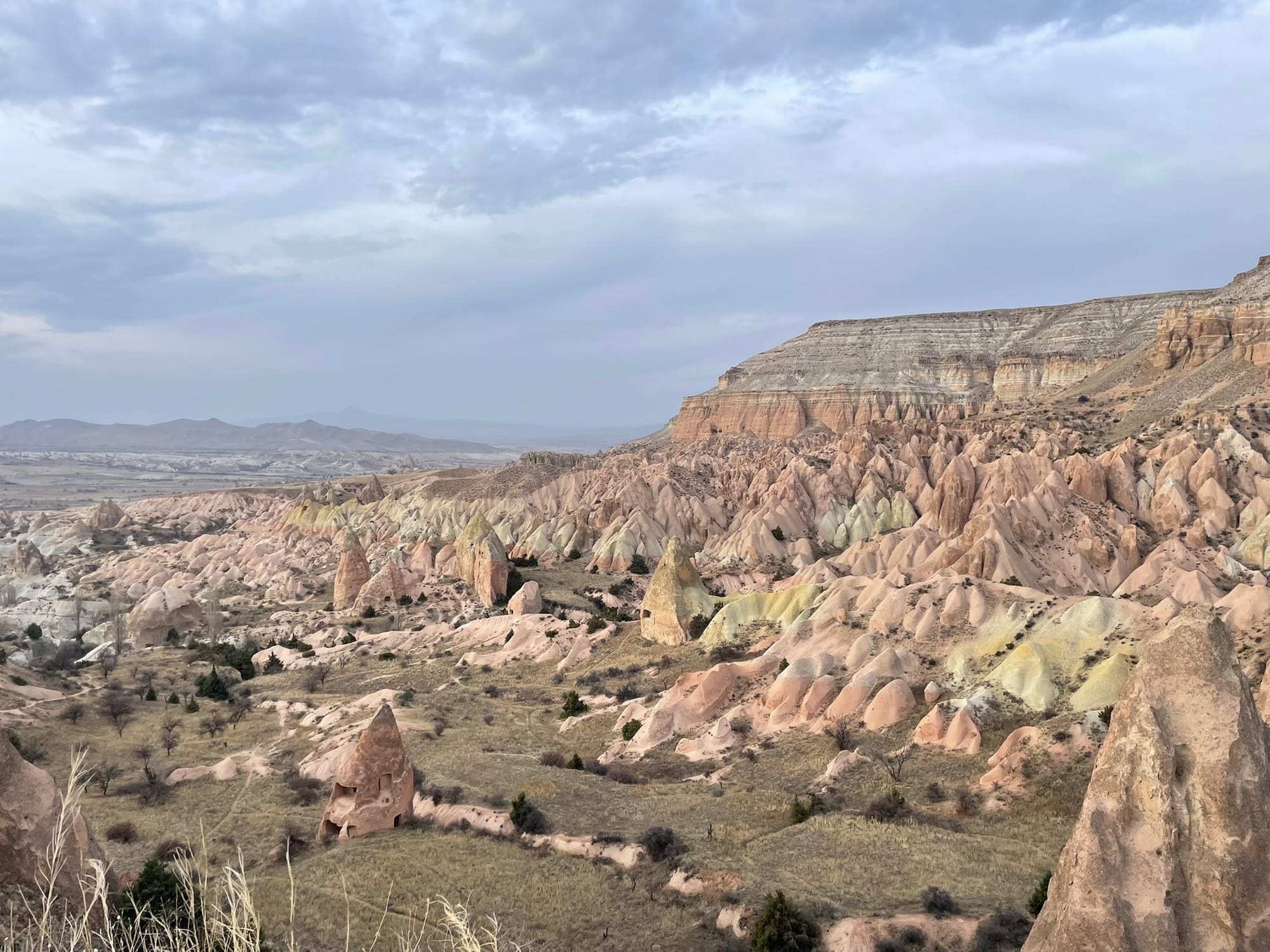
We spent a lot of time simply wandering, exploring the otherworldly formations which erosion has created. Some of the ‘fairy chimneys’ (akin to hoodoos) look like mushrooms! Cappadocia is home to many underground cities, thousands of years old and built as underground bunkers for entire villages in case of war. Early Christians also took refuge here, carving cave churches with pillars and arches, their thousand-year-old frescoes depicting colourful and ornate Biblical scenes.
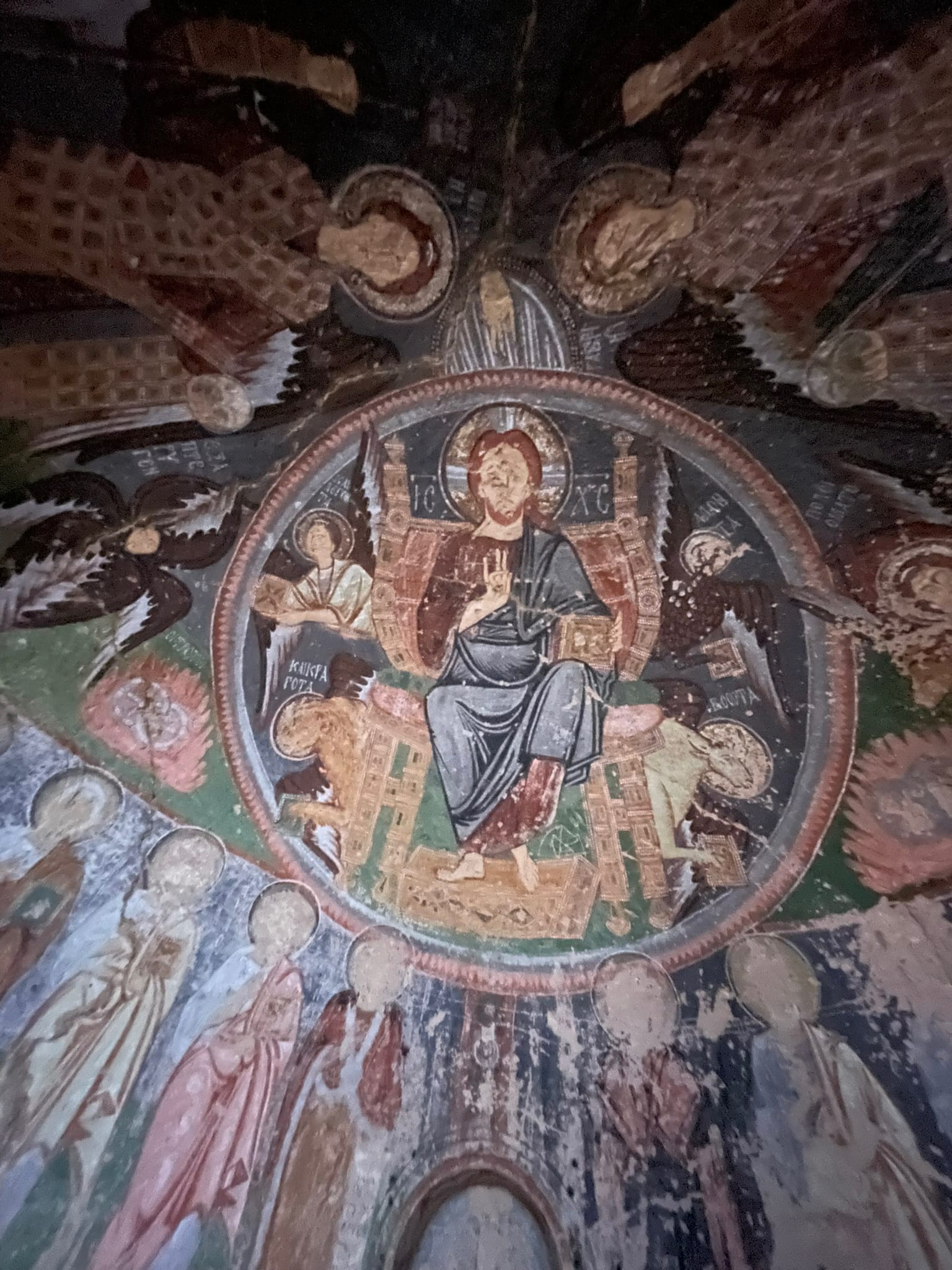
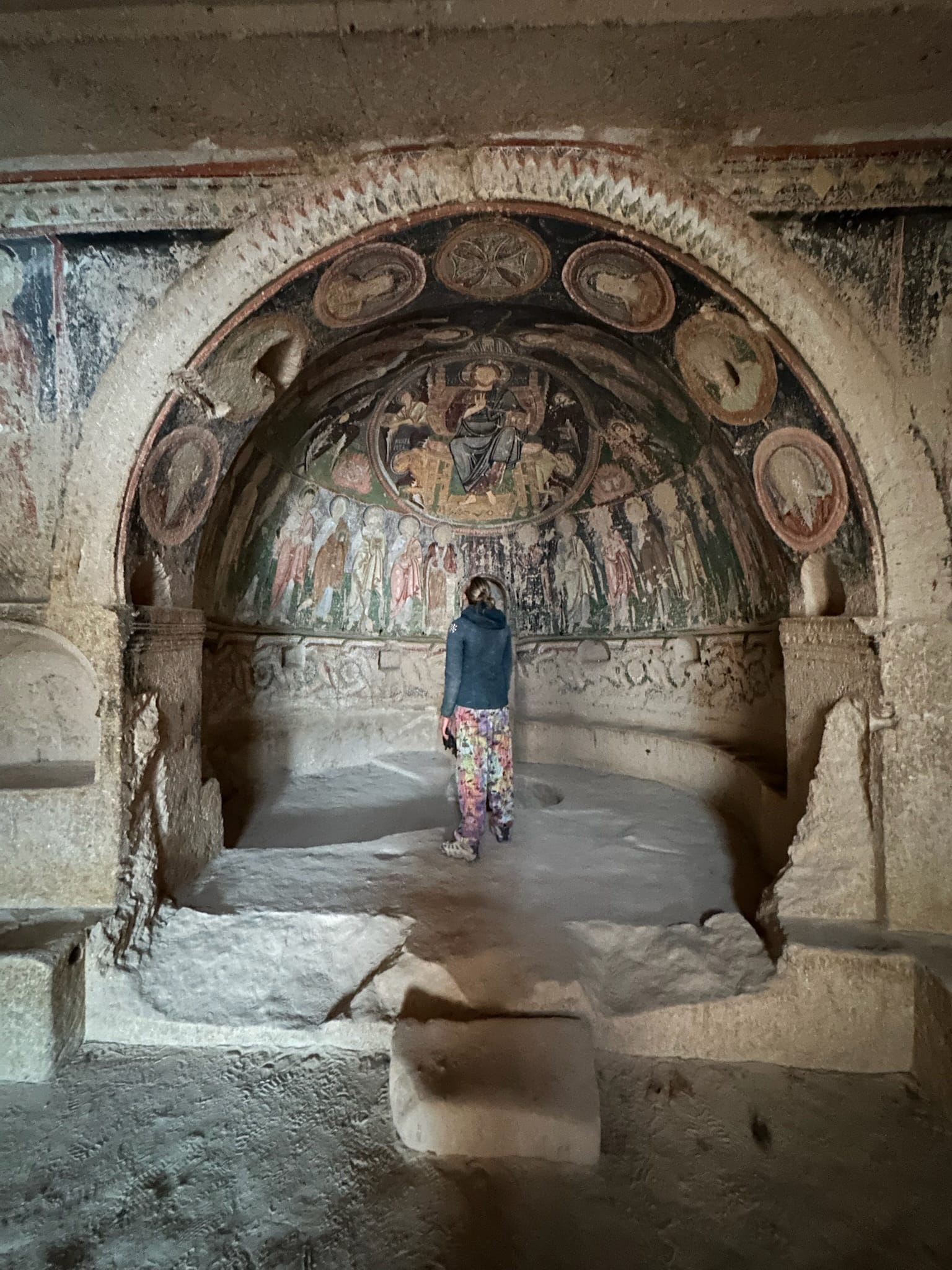
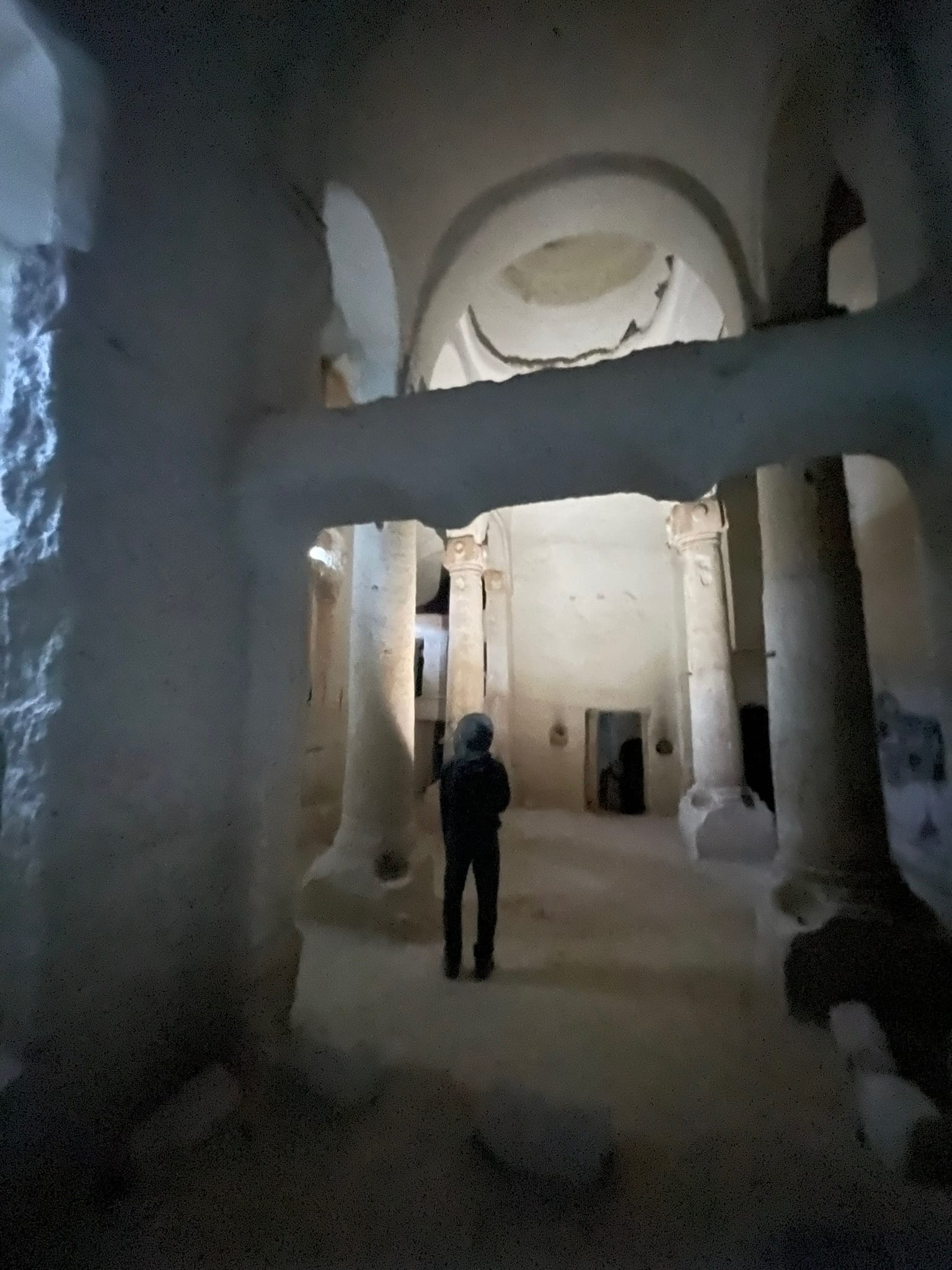
There is nothing more menacing than pigeons loudly cooing at you and flapping their wings, hidden inside the cupola of a pitch-black underground cave church. [📸 Rachel & Johann]
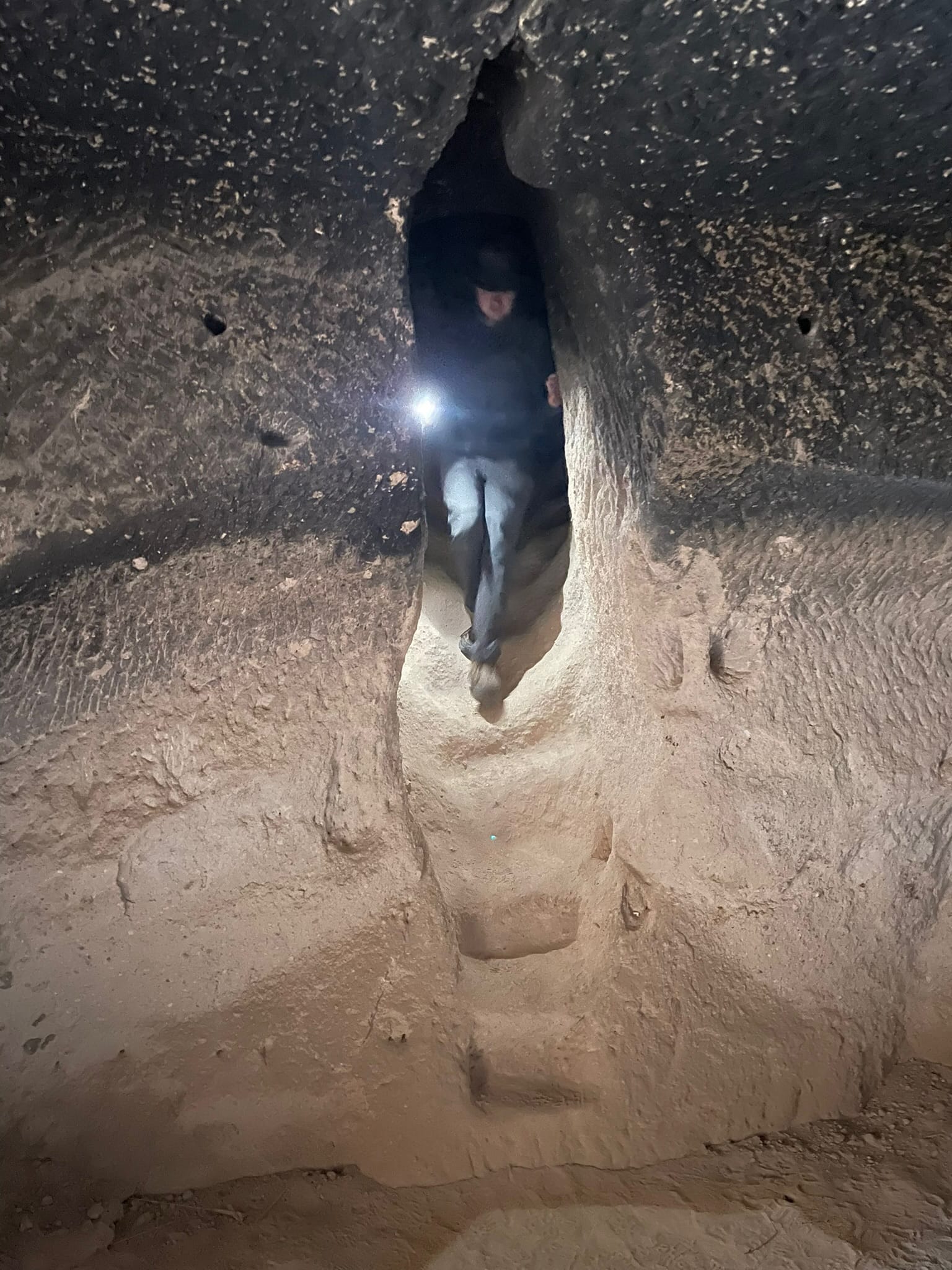
Then there was the tunnel in our bathroom, the one found bricked up while renovating which connects into kilometers of underground tunnels. There is nothing so trippy as unlocking the tiny door behind the toilet and descending into a narrow and dark passage, its ending place unknown. Our host told us he heard Nicholas Cage down there while he was filming a movie in Cappadocia, his voice reverberating into the bathroom.
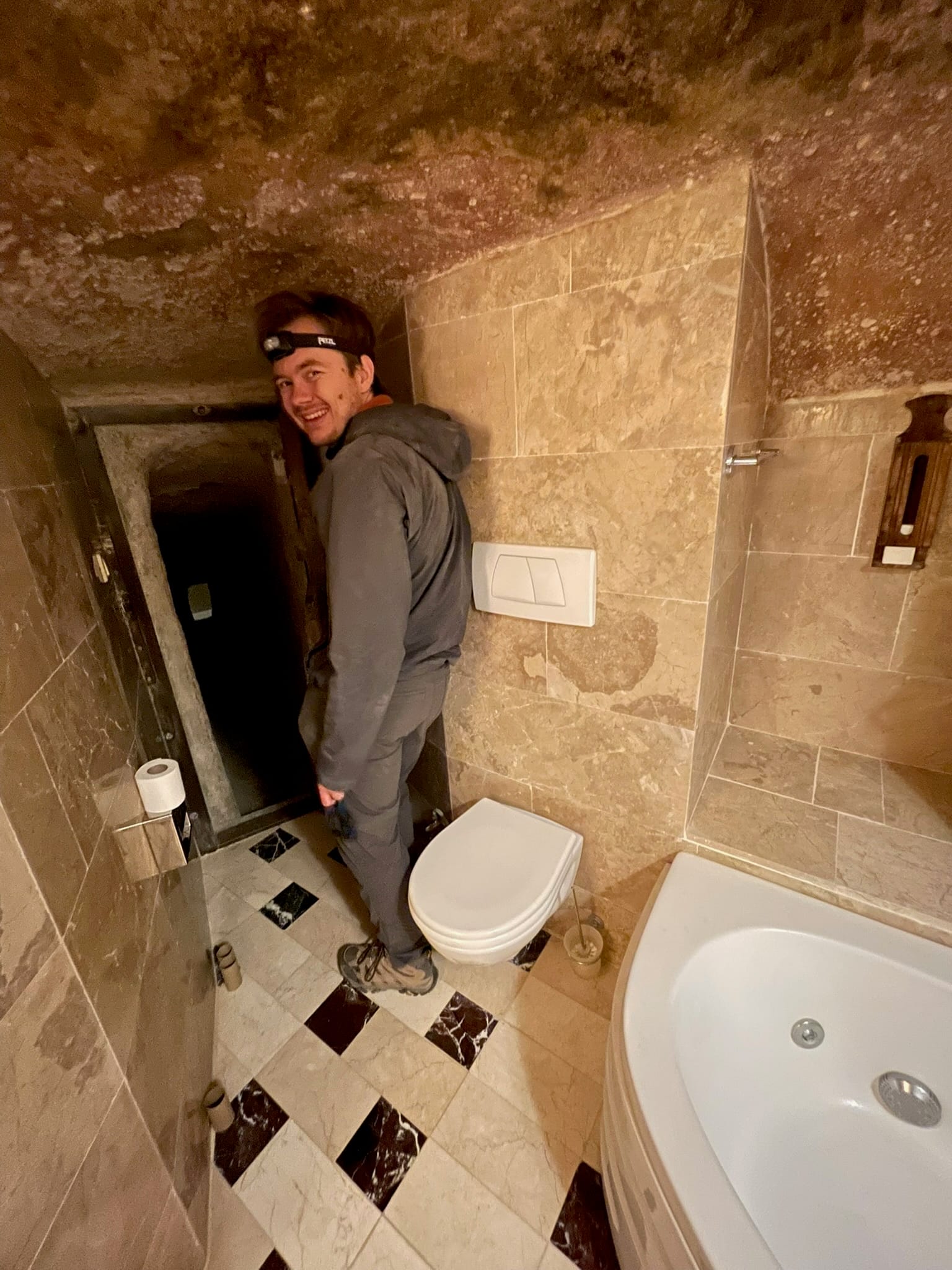
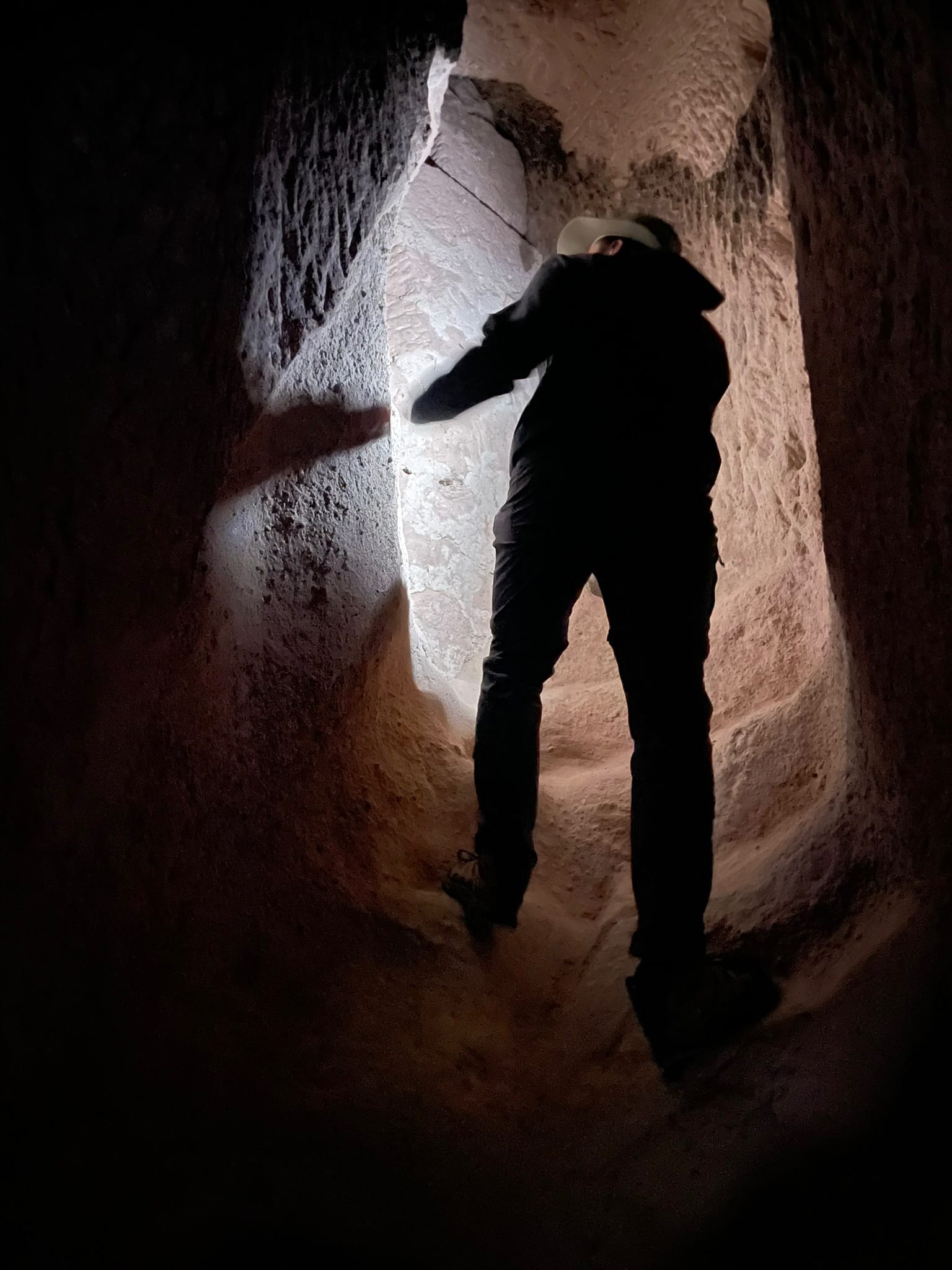
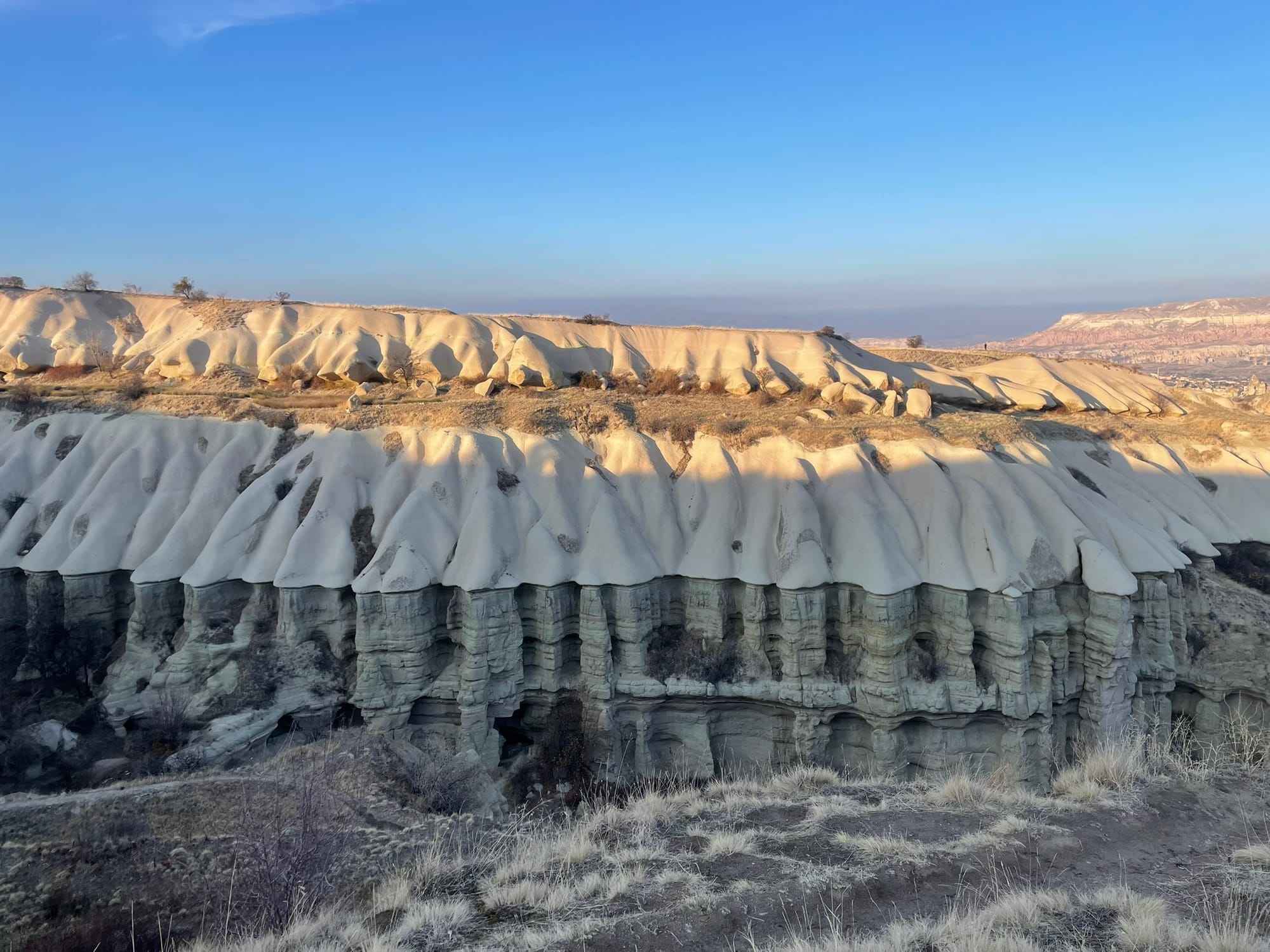
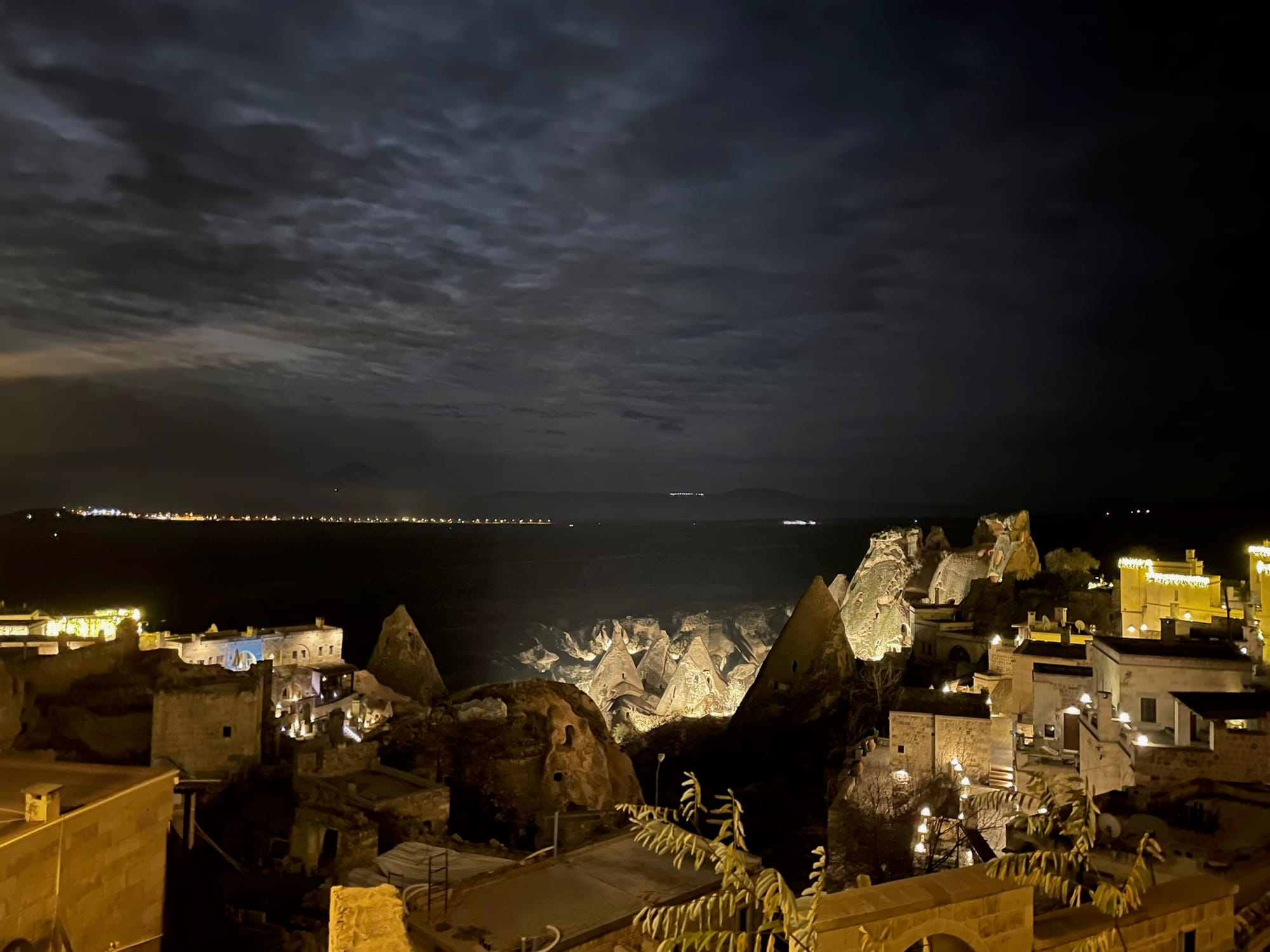
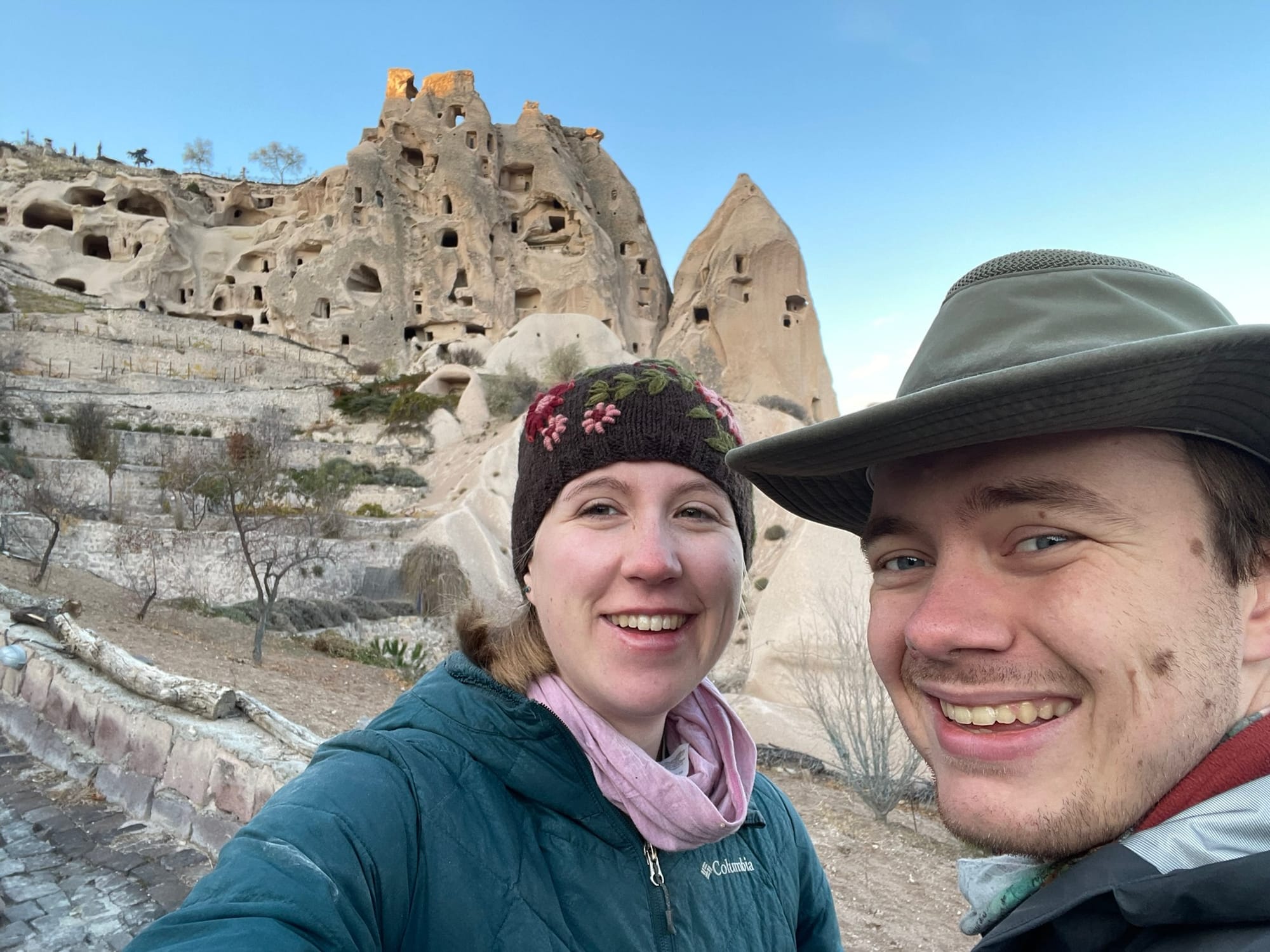
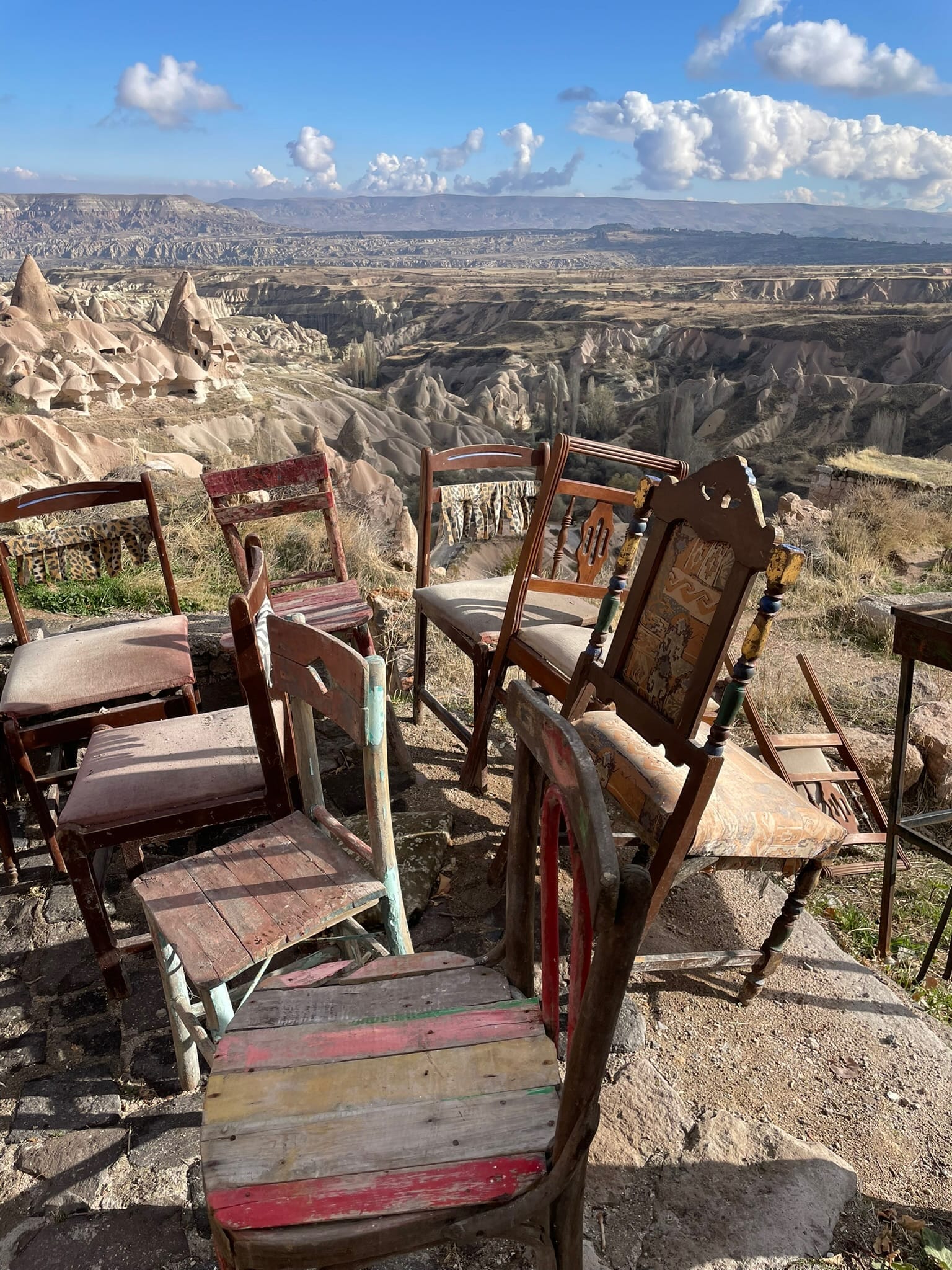
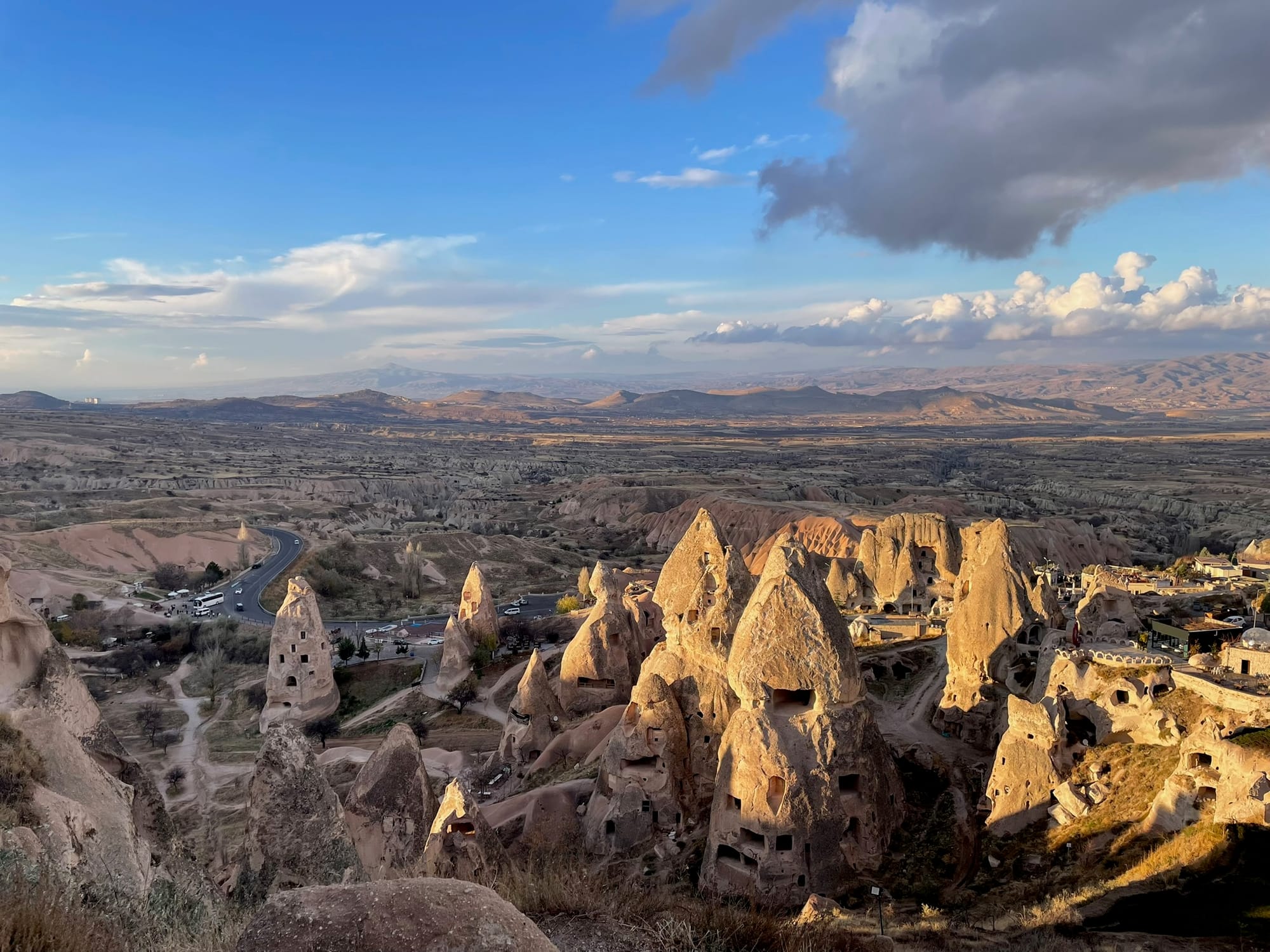
Our bathroom was under a road - every time a car drove past over top, a little more dust would fall down into the bath, usually while you're bathing to get rid of all the dust from cleaning the dust cave. [📸 Rachel & Johann]
Already, Anatolia calls us to return, but it will have to be for a future trip. Until then, we will remember our time there fondly. We hold in our mind’s eye a café in that fairyscape, which seemed to have appeared from nowhere mid-hike. Nestled within the rose and orange coloured valley we sat and sipped tea from delicate tulip glasses as if in a dream.